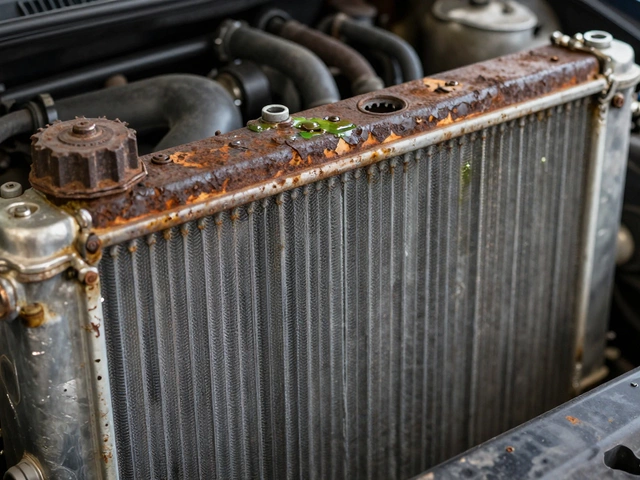
Radiator Noises: What They Mean and How to Fix Them
When your radiator, a key part of your car’s engine cooling system that keeps the engine from overheating. Also known as cooling radiator, it’s not just a metal box under the hood—it’s the heartbeat of your engine’s temperature control. If it’s making noise, something’s wrong. A hiss, a gurgle, a clunk, or a high-pitched whine aren’t just annoying—they’re warning signs. Ignoring them can lead to a blown head gasket, warped cylinder head, or a full engine failure. And repairs? They cost far more than fixing the noise early.
The most common radiator noises come from three places: the coolant leak, a breach in the radiator, hoses, or water pump that lets fluid escape, the water pump, the small but critical component that circulates coolant through the engine and radiator, or trapped air in the cooling system, bubbles that form when coolant isn’t properly bled after refilling. A hissing sound? Likely a leak. A gurgling noise, especially after you turn off the engine? That’s air moving through the system. A loud knocking or clunking? Could be a failing water pump bearing. These aren’t guesses—they’re patterns seen in thousands of real repairs.
Many people think radiators are simple and don’t need attention until the engine overheats. But modern engines run hotter than ever, and even a small coolant loss can cause damage fast. Electric cars still use radiators—just smaller ones—to cool batteries and power electronics. So whether you drive a 2010 hatchback or a 2024 EV, your cooling system is working overtime. The posts below show you how to listen for the signs, diagnose the noise yourself, and decide if you can fix it or need a pro. You’ll find real examples of what radiator sounds actually mean, how to check for leaks without a shop, and why replacing a radiator isn’t always the answer. No fluff. Just what works.
-
8 Jun
- Recent
- Popular