Replacing Wipers: Signs, Costs, and What Happens If You Delay
When you’re driving in rain and your windshield wipers, devices that clear water, dirt, and debris from a car’s front glass. Also known as wiper blades, they are critical for visibility and safety. fail, you’re not just dealing with a minor annoyance—you’re risking your life. A single streak across your windshield at night or during a downpour can blind you long enough to cause a crash. Most people ignore worn wipers until they’re useless. But by then, the damage is already done—not just to your view, but potentially to your safety and your wallet.
Replacing wipers isn’t just about swapping rubber strips. It’s about understanding the whole system: the wiper arm, the metal component that presses the blade against the glass, the wiper motor, the electric unit that powers the blade movement, and even the linkage that connects them. If the blade is worn but the arm is bent, you’ll still get smears. If the motor is weak, the blades won’t clear fast enough. Many drivers replace only the rubber, but a full inspection saves money long-term. In India’s dusty, rainy climate, wipers wear out faster than in dry regions. Dust, pollen, and grime grind against the rubber, while extreme heat cracks it. You might not notice it until the blade skips or leaves a haze—but by then, it’s too late.
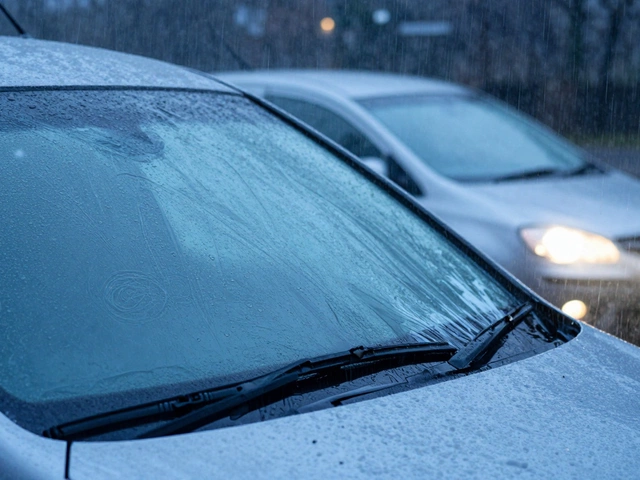
How do you know it’s time? Look for streaks, chattering sounds, or patches of glass that stay wet. If the rubber is cracked, brittle, or peeling, toss it. If the arm doesn’t press evenly across the glass, it’s worn out too. Replacing wipers takes under 10 minutes and costs as little as ₹200 for a pair. But if you wait too long, you might end up damaging the glass or overworking the motor—both costing thousands. And yes, some modern cars use sensors that auto-adjust speed based on rain, but those still rely on the same basic wiper system. If the blades fail, the sensor won’t help.
What you’ll find below are real-world guides from drivers who’ve been there: how to tell if your wipers are failing, what brands actually last in Indian conditions, why some wipers cost more but save money, and what to do if your wiper motor dies mid-rain. These aren’t theory pieces—they’re fixes, checks, and cost breakdowns from people who’ve replaced wipers on everything from hatchbacks to SUVs in monsoon traffic. You don’t need to be a mechanic. You just need to know when to act.
-
21 Jul
- Recent
- Popular