Reset Procedure: What It Is and Why It Matters for Your Car
When your car acts up—hesitating, warning lights flashing, or pedals feeling off—it’s not always a broken part. Sometimes, it just needs a reset procedure, a simple electronic reboot that clears temporary errors in your vehicle’s computer systems. Also known as an ECU reset, it’s like restarting your phone when it freezes. Many drivers don’t know this exists, and end up paying for unnecessary repairs when a five-minute reset would’ve fixed it.
Modern cars rely on dozens of electronic modules: the engine control unit (ECU), transmission control module, brake system, and even the climate control. These systems learn your driving habits and store error codes. If a sensor sends a false signal—like a dirty air filter tricking the ECU into thinking the engine is running lean—the system might lock into a protective mode. A reset procedure, a process that clears temporary faults and reinitializes sensors tells these systems to start fresh. It doesn’t fix broken hardware, but it does clear the noise so the real problem can be seen.
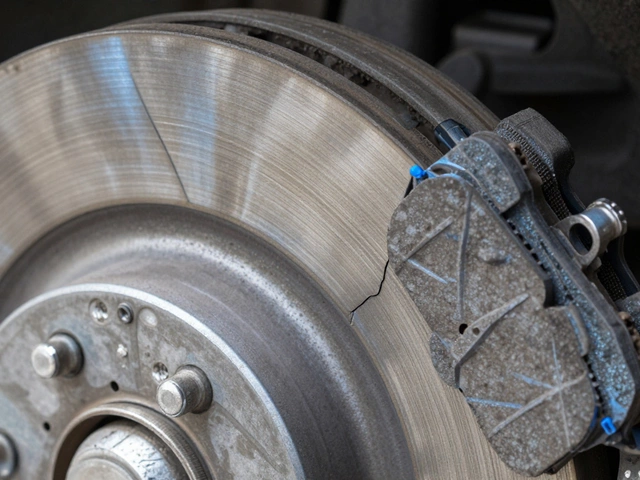
This isn’t just for engines. If your brake pedal feels spongy after replacing pads, a brake system reset, a process that recalibrates the ABS and brake pressure sensors might be needed. Same with clutches—after replacing a clutch kit, some vehicles require a clutch adjustment reset, a learned pedal travel calibration that ensures smooth engagement. Ignoring these resets can lead to poor shifting, weird pedal feel, or even false error codes that mislead mechanics.
You’ll find reset procedures mentioned in posts about bad suspensions, worn clutches, and failing fuel pumps because these systems often trigger electronic flags. A faulty suspension sensor can throw off the stability control. A dying fuel pump might cause the ECU to enter limp mode. These aren’t always hardware failures—they’re communication breakdowns. A reset procedure clears the static so the real issue can be diagnosed.
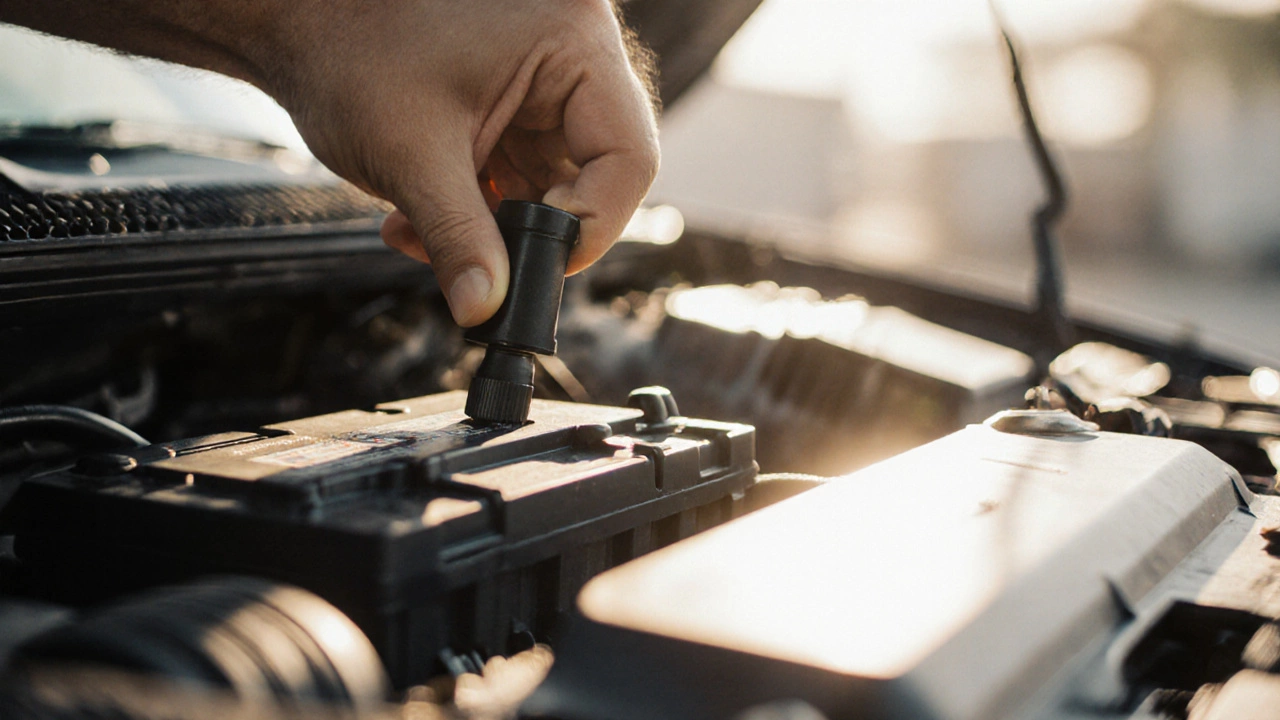
Some resets are as simple as disconnecting the battery for ten minutes. Others require a scan tool or specific button sequences. The key is knowing which system needs resetting and why. Too many people assume a warning light means a part is dead. It doesn’t. It just means the system got confused. And confusion can be fixed without a wrench.
Below, you’ll find real-world examples of how reset procedures tie into common car problems—from clutch wear to brake pad replacement to suspension noise. These aren’t theory pieces. They’re guides from people who’ve been there, figured out what worked, and saved themselves time and money. If your car’s acting strange, don’t jump to repairs yet. Check if it just needs to reboot.
-
9 Oct
- Recent
- Popular