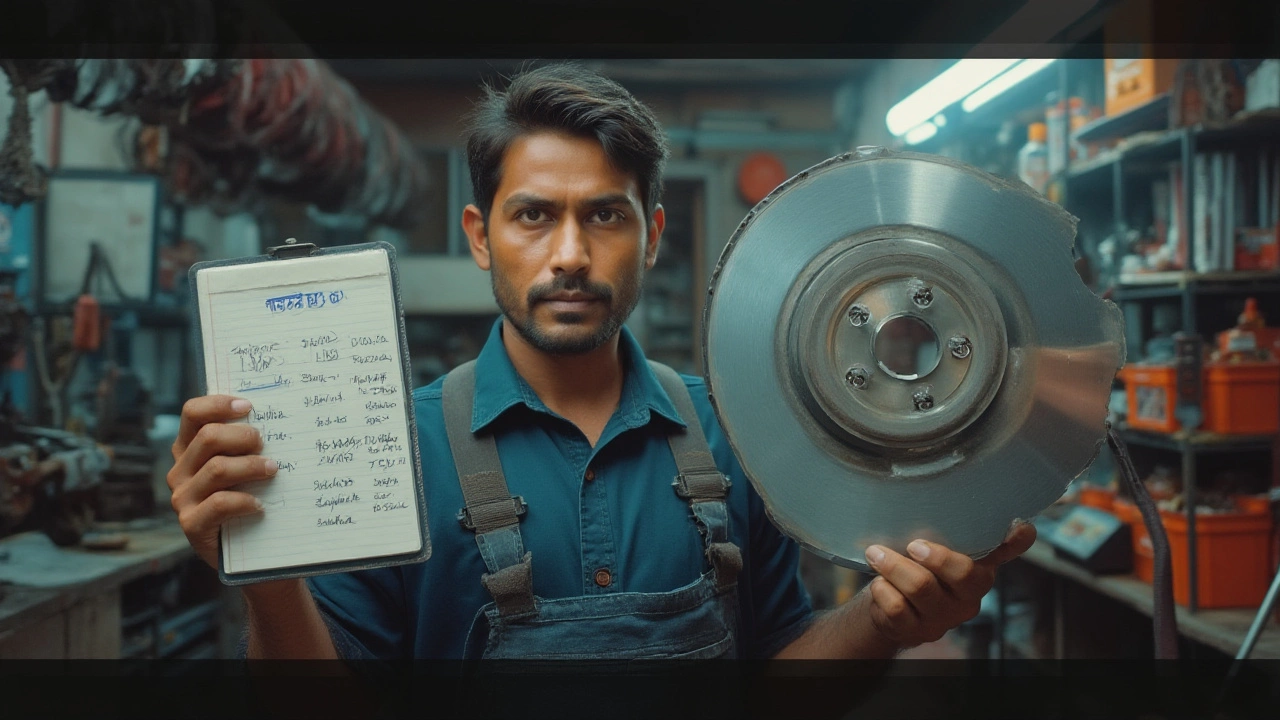
Resurface Rotors: When It Makes Sense and When It Doesn't
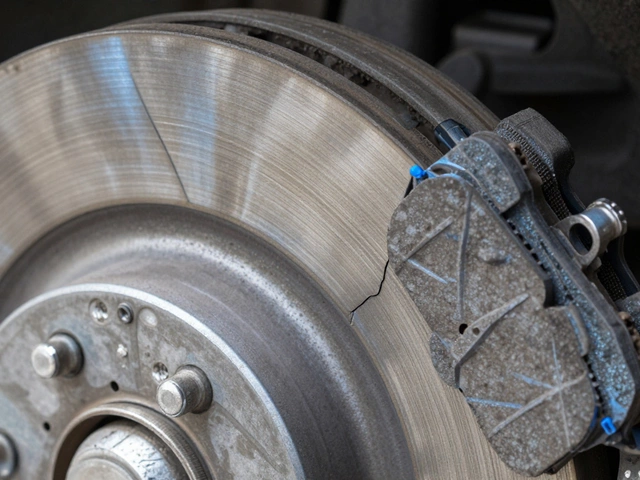
When your brakes start squealing or the pedal feels spongy, you might hear the advice: resurface rotors. But what does that actually mean? Resurfacing rotors, the process of machining a thin layer off the brake rotor surface to restore smoothness and evenness. Also known as turning rotors, it’s a common service offered during brake pad replacements—but it’s not always the right choice. Rotors are metal discs that the brake pads clamp down on to stop your car. Over time, they get grooved, warped, or uneven from heat and friction. Resurfacing smooths them out, giving new pads a clean surface to grip. Sounds good, right? But here’s the catch: rotors have a minimum thickness limit stamped on them. If they’re already worn close to that limit, resurfacing makes them dangerously thin.
Brake rotors, the circular metal components that work with brake pads to create stopping force through friction aren’t just simple discs—they’re engineered for heat dissipation and structural integrity. A rotor that’s been resurfaced too many times can overheat faster, warp under pressure, or even crack. That’s why many mechanics now skip resurfacing entirely and just replace rotors, especially on modern cars where rotors are cheaper than labor costs for machining. In fact, if your rotors are over 30,000 miles old or show deep grooves, cracks, or blue discoloration from overheating, replacement is almost always safer and more cost-effective in the long run.
It’s not just about the rotors themselves. Brake pad replacement, the process of installing new friction material that contacts the rotor to slow the vehicle and rotor resurfacing often go hand-in-hand. But if you resurface old, worn rotors and put new pads on them, you’re not fixing the real problem—you’re just delaying it. The pads will wear unevenly, the braking performance will suffer, and you’ll be back in the shop sooner. On the other hand, if your rotors are still thick, smooth, and free of damage, resurfacing can extend their life and save you money—especially on older vehicles where replacement parts are expensive.
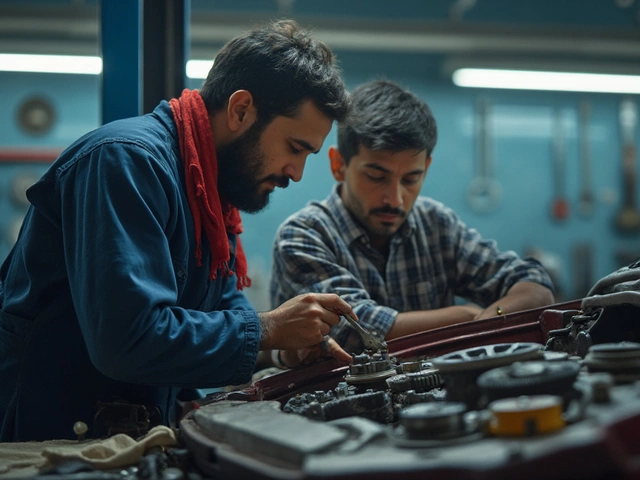
There’s no one-size-fits-all answer. It depends on your car’s make, how you drive, the condition of the rotors, and whether you’re doing it yourself or paying a shop. Some shops still push resurfacing because it’s a quick, profitable service. But smart mechanics now check rotor thickness first, then decide. If they don’t measure it, walk away. You’re not just paying for a service—you’re paying for safety. The next time you’re told your rotors need resurfacing, ask for the thickness measurement. If they can’t give it to you, they’re guessing—and that’s not something you want to risk on your brakes.
Below, you’ll find real-world guides on brake wear signs, replacement costs, and when to trust your instincts over a shop’s recommendation. Whether you’re dealing with squeaky brakes or just trying to avoid overpaying, these posts give you the facts you need to make the right call.
-
22 Jul
- Recent
- Popular