Spark Plug Lifespan: How Long They Last and When to Replace Them
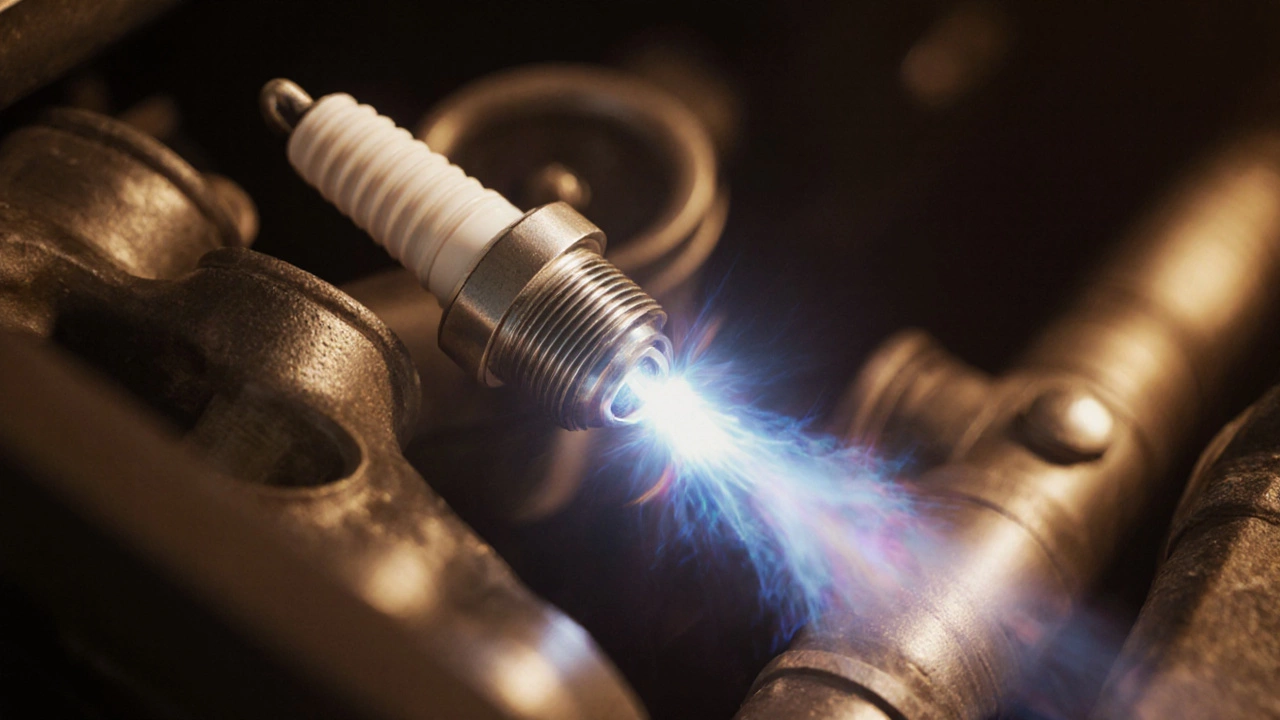
When it comes to keeping your engine running smoothly, spark plugs, small but critical components that ignite the fuel-air mixture in your engine cylinders. Also known as ignition plugs, they’re the starting point for every combustion cycle—no spark, no engine. Most modern spark plugs last between 30,000 and 100,000 miles, but that number isn’t set in stone. Your driving habits, engine type, and even the quality of fuel you use can shorten or extend their life. A worn spark plug doesn’t just make your car run poorly—it can trigger misfires, drop fuel economy, and even damage your catalytic converter over time.
The ignition system, the network of parts that delivers high-voltage electricity to the spark plugs depends entirely on those little ceramic-and-metal components. If the gap widens, the electrodes wear down, or carbon builds up, the spark weakens. That’s when you start noticing symptoms: rough idling, hesitation during acceleration, or trouble starting the car on cold mornings. Some drivers wait until the engine light comes on, but by then, damage might already be done. Replacing spark plugs before they fail is one of the cheapest and most effective ways to maintain engine performance, how efficiently your engine converts fuel into power. It’s not about adding horsepower—it’s about keeping what you’ve got working right.
Not all spark plugs are the same. Copper plugs are cheaper but wear out faster. Platinum and iridium types last longer and handle higher temperatures better, which is why they’re common in newer cars. If your owner’s manual says to replace them at 60,000 miles, don’t ignore it just because the car feels fine. Engines don’t warn you until it’s too late. And while some people think upgrading spark plugs will boost power, the truth is simple: good plugs restore lost performance, they don’t create extra horsepower.
Below, you’ll find real-world guides on what happens when spark plugs fail, how to spot early signs of trouble, and whether swapping them out yourself makes sense—or if you’re better off leaving it to a pro. These aren’t theory pieces. They’re based on what mechanics see daily, what drivers actually experience, and what works on Indian roads with our mix of traffic, fuel quality, and weather.
-
15 Oct
-
10 Oct
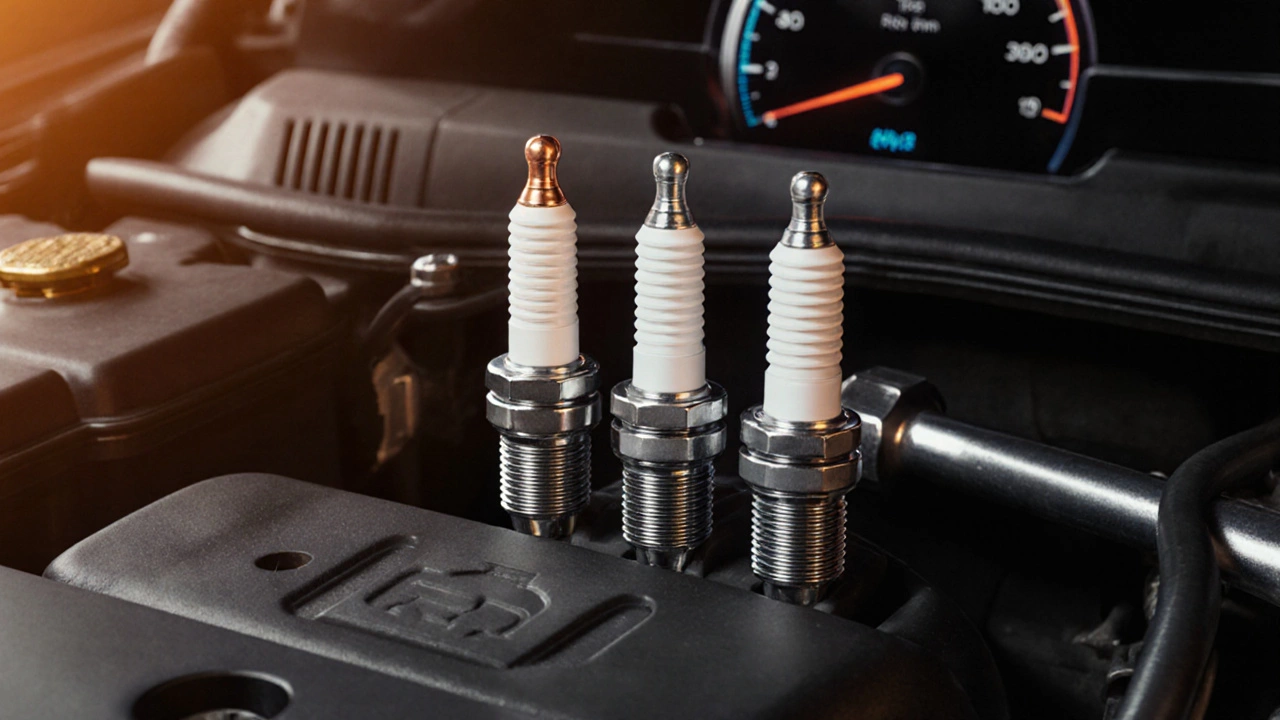
Spark Plug Lifespan: How Many Years Do They Really Last?
Discover how long spark plugs really last, what factors affect their lifespan, and how to choose the right replacement interval for your car.
- Recent
- Popular