Spark Plug Replacement Interval: When to Change Them and What Happens If You Don't
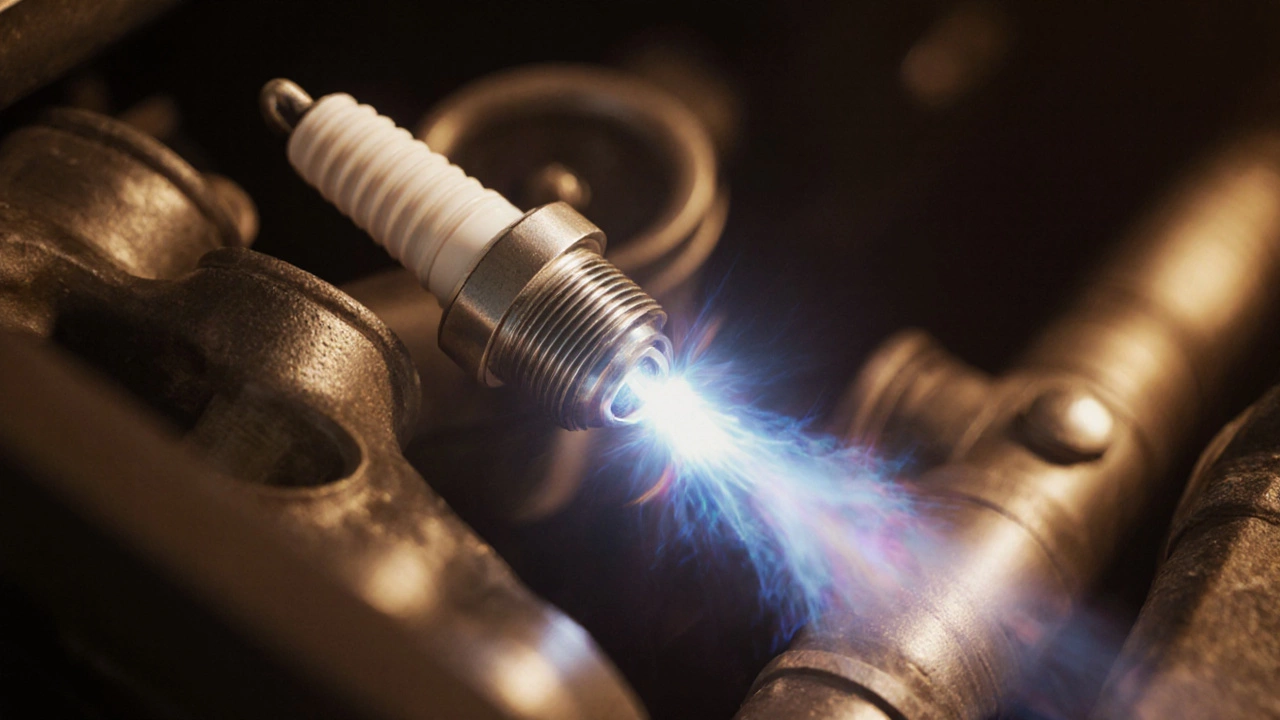
When your engine misfires or struggles to start, the issue might not be fuel or air—it could be your spark plugs, small but critical components that ignite the fuel-air mix in your engine cylinders. Also known as ignition plugs, they’re the heartbeat of your combustion process. Most manufacturers recommend replacing them every 30,000 to 100,000 miles, but that number means nothing if your driving habits or plug type don’t match.
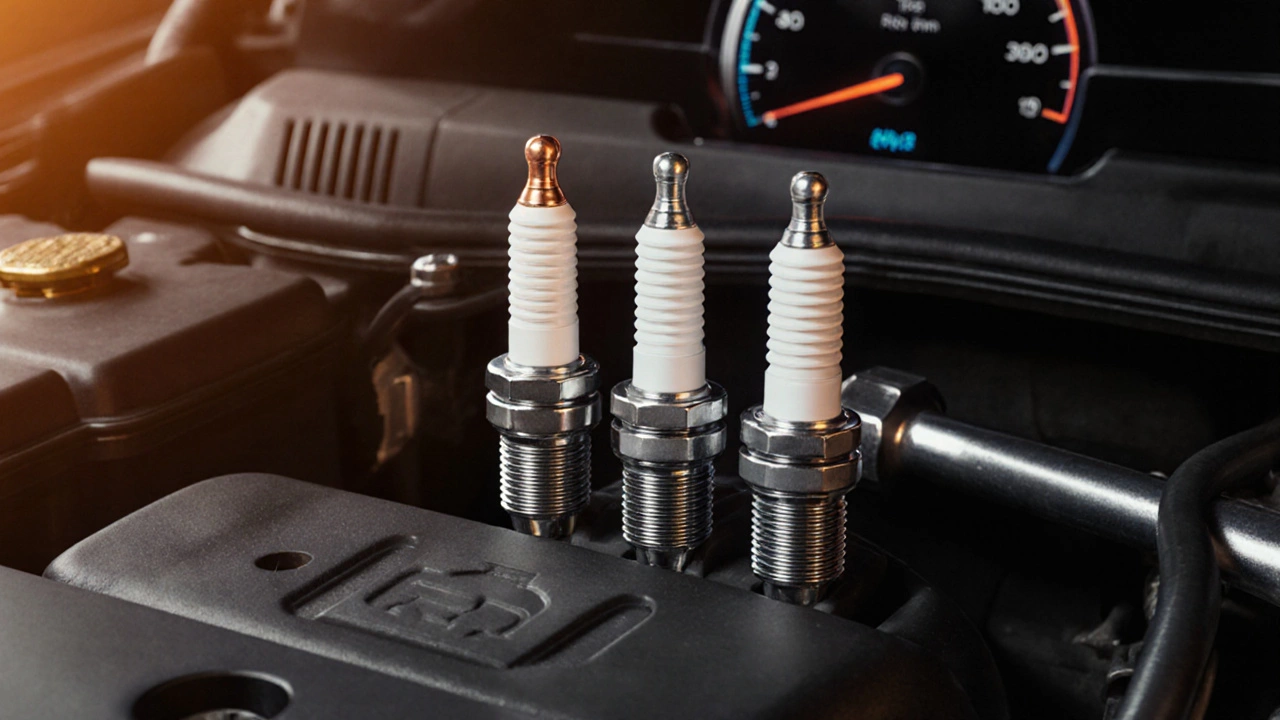
The ignition system, the network of parts that delivers high-voltage electricity to ignite fuel relies on healthy spark plugs. If they’re worn, cracked, or fouled, your engine doesn’t just lose power—it starts burning fuel inefficiently, increasing emissions and hurting your fuel economy. You might notice rough idling, hesitation during acceleration, or even a check engine light. These aren’t just annoyances; they’re warnings that your spark plug types, such as copper, platinum, or iridium, are past their prime. Copper plugs last around 20,000 miles. Iridium? Up to 120,000. But if you drive mostly short trips in stop-and-go traffic, even the best plugs wear out faster.
Skipping a replacement doesn’t just cost you money in fuel—it can damage other parts. A weak spark causes unburned fuel to wash down cylinder walls, diluting your engine oil. That oil loses its lubricating power, and soon you’re looking at piston ring wear or even catalytic converter failure. The cost of fixing that? Ten times what a new set of plugs would’ve been.
You don’t need a diagnostic tool to spot bad plugs. Listen for that rattling sound at idle. Feel for the engine shudder when you pull away. Watch your fuel gauge climb faster than usual. These aren’t myths—they’re real, measurable signs that your spark plugs are failing. And while some guides say "wait until it breaks," smart car owners know better. Replacing spark plugs on schedule is like changing your oil: cheap, simple, and prevents expensive surprises.
The posts below cover everything from how to tell if your plugs are worn out, to whether upgrading to a different type actually gives you more power, to what happens when you ignore the warning signs. You’ll find real-world examples, cost breakdowns, and simple checks you can do yourself. No fluff. No theory without practice. Just what you need to know to keep your engine running clean, strong, and on time.
-
15 Oct
-
10 Oct
Spark Plug Lifespan: How Many Years Do They Really Last?
Discover how long spark plugs really last, what factors affect their lifespan, and how to choose the right replacement interval for your car.
- Recent
- Popular