Wheel Durability: What Makes Tyres Last Longer and Stay Safe
When you think about wheel durability, how well a tyre holds up under daily use, stress, and road conditions. Also known as tyre lifespan, it's not just about how long the rubber lasts—it's about how safely it performs until the very end. A tyre that looks fine on the outside can still be failing inside, especially in India’s rough roads and extreme heat. Wheel durability isn’t magic. It’s made up of materials, design, driving habits, and regular checks you can do yourself.
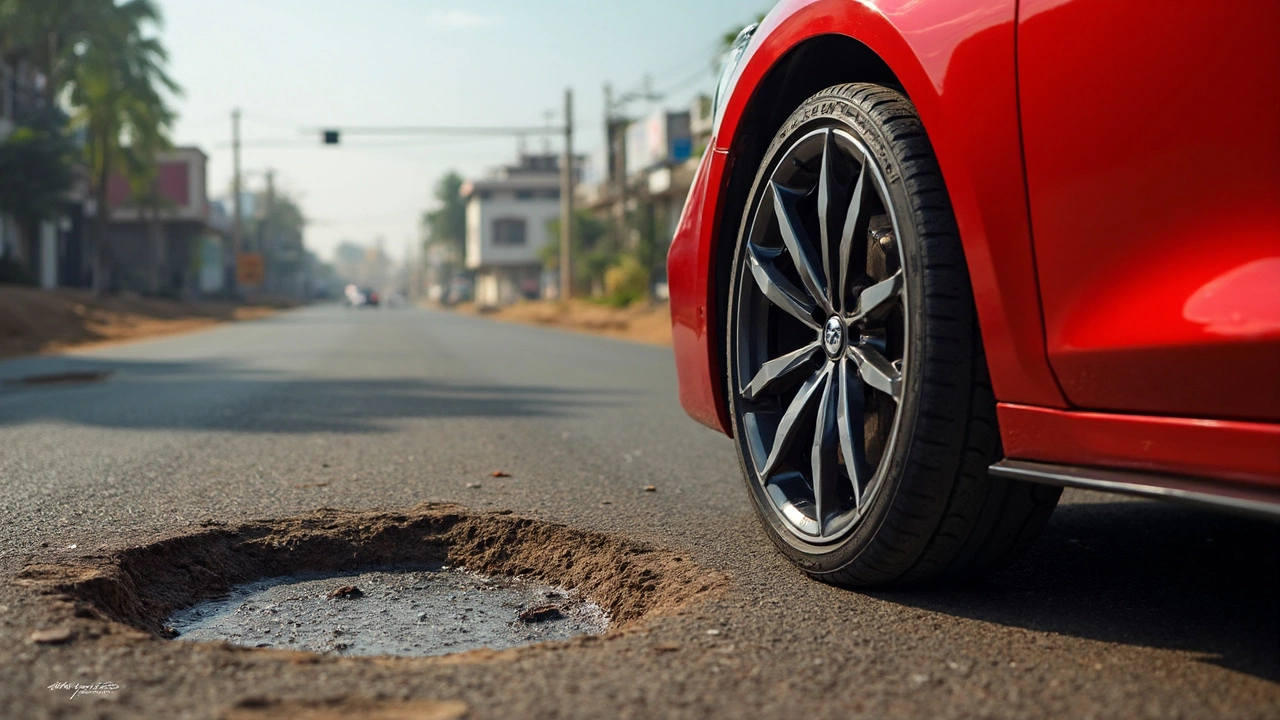
What affects wheel durability? First, the solid tyres, tyres made without air, designed for heavy-duty use and resistance to punctures—they’re built for factories, forklifts, and rough terrain, but their principles apply to regular vehicles too. Solid tyres don’t go flat, so they avoid one of the biggest causes of sudden failure. But even air-filled tyres can last longer if you pay attention to tyre wear, the gradual loss of tread depth and structural integrity from friction, heat, and improper inflation. Overinflation causes centre wear. Underinflation eats up the edges. And bad suspension? That’s a silent killer. Posts here show how worn shocks and broken struts make tyres bounce instead of roll, leading to uneven wear and early replacement.
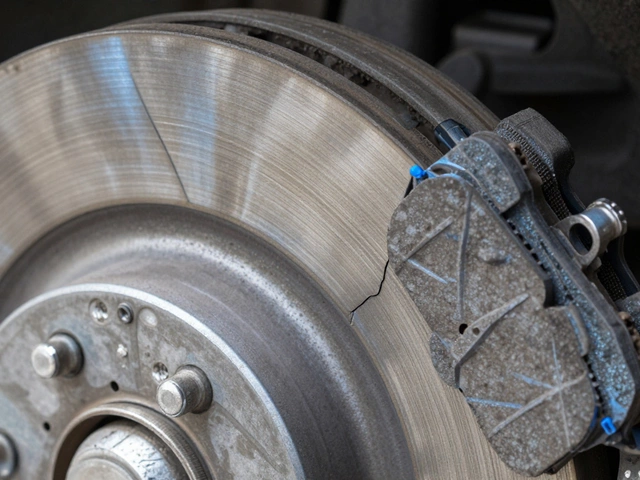
Then there’s the driver. Aggressive braking, sharp turns, and speeding over potholes all add up. One driver in Pune replaced tyres every 18 months. Another, who avoided sudden stops and checked pressure monthly, got 5 years out of the same set. It’s not about brand. It’s about care. Wheel durability is directly tied to how you treat your vehicle. If your brake pads are worn out, you’re grinding down your tyres too. If your suspension is failing, your tyres are absorbing the punishment. And if you ignore a flat or a slow leak, you’re not just risking a breakdown—you’re shortening the life of the whole wheel.
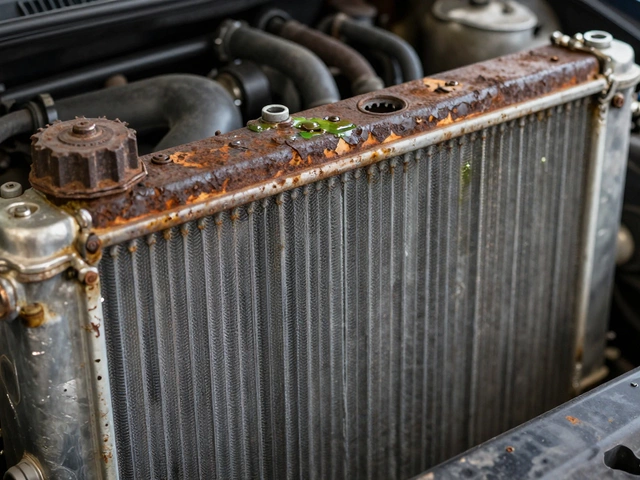
You don’t need a mechanic to check wheel durability. Look at the tread. Run your hand over the surface. Feel for bulges or cracks. Listen for unusual noises when you turn. Check the pressure every two weeks. These are simple habits that add years to your tyres. The posts below cover real cases: how suspension problems eat through tyres, why clutch habits indirectly affect wheel stress, what happens when radiators fail and engines overheat (yes, that can warp wheels), and how alloy rims compare to steel in real-world durability. You’ll find cost guides, warning signs, and fixes you can do yourself. No fluff. Just what works on Indian roads.
-
3 Apr
- Recent
- Popular
-
 How Much Is a Set of 4 Car Tires? 2026 Price Guide
Feb 17 2026
How Much Is a Set of 4 Car Tires? 2026 Price Guide
Feb 17 2026
-
 How to Know if Your Car's AC Freon is Running Low?
Apr 7 2025
How to Know if Your Car's AC Freon is Running Low?
Apr 7 2025
-
 Will One Extra Quart of Oil Hurt My Engine?
Dec 9 2025
Will One Extra Quart of Oil Hurt My Engine?
Dec 9 2025