Wheel Maintenance: How to Keep Your Tires and Suspension Running Smoothly
When you think of wheel maintenance, the routine care of tires, rims, and related components to ensure safety, performance, and longevity. Also known as vehicle wheel care, it's not just about keeping tires inflated—it's about spotting early signs of wear before they turn into dangerous or expensive problems. Most people wait until they hear a noise or feel the car pulling to one side. By then, it’s often too late. Real wheel maintenance starts with checking what you can’t always see: uneven tire wear, loose suspension parts, or brake pads that are thinner than a credit card.
Tire wear, the gradual loss of tread depth due to driving habits, alignment issues, or underinflation. Also known as tire degradation, it’s the first red flag that something’s off. If you see bald spots on one side, your alignment is off. If the center is worn down, you’re overinflating. If the edges are smooth but the middle is fine, you’re underinflating. These aren’t guesses—they’re facts. And they’re why your tires might last half as long as they should. Then there’s suspension repair, fixing worn shocks, struts, or control arms that affect ride quality and braking. Also known as car suspension servicing, it’s the unseen system that keeps your tires in contact with the road. A bad suspension doesn’t just make your ride bumpy—it makes your brakes less effective and your tires wear unevenly. And if you’re ignoring squeaks or clunks when you hit bumps, you’re already risking more damage.
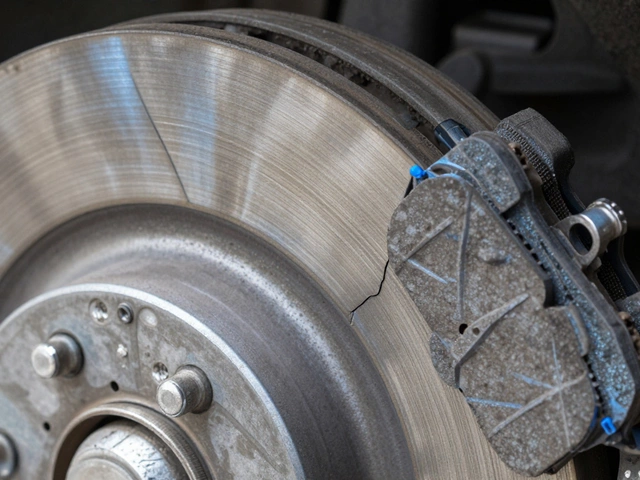
Brake pads, the friction material that presses against rotors to stop your vehicle. Also known as brake linings, they’re part of wheel maintenance too, because worn pads mean longer stopping distances and damaged rotors. You don’t need a mechanic to tell you they’re thin—listen for the squeal, feel for the vibration, watch for longer stops. And don’t forget alignment. A misaligned wheel doesn’t just pull to one side—it eats through tires like a lawn mower through grass. All of this ties together: bad alignment wears tires, worn tires stress the suspension, and a failing suspension makes brakes work harder.
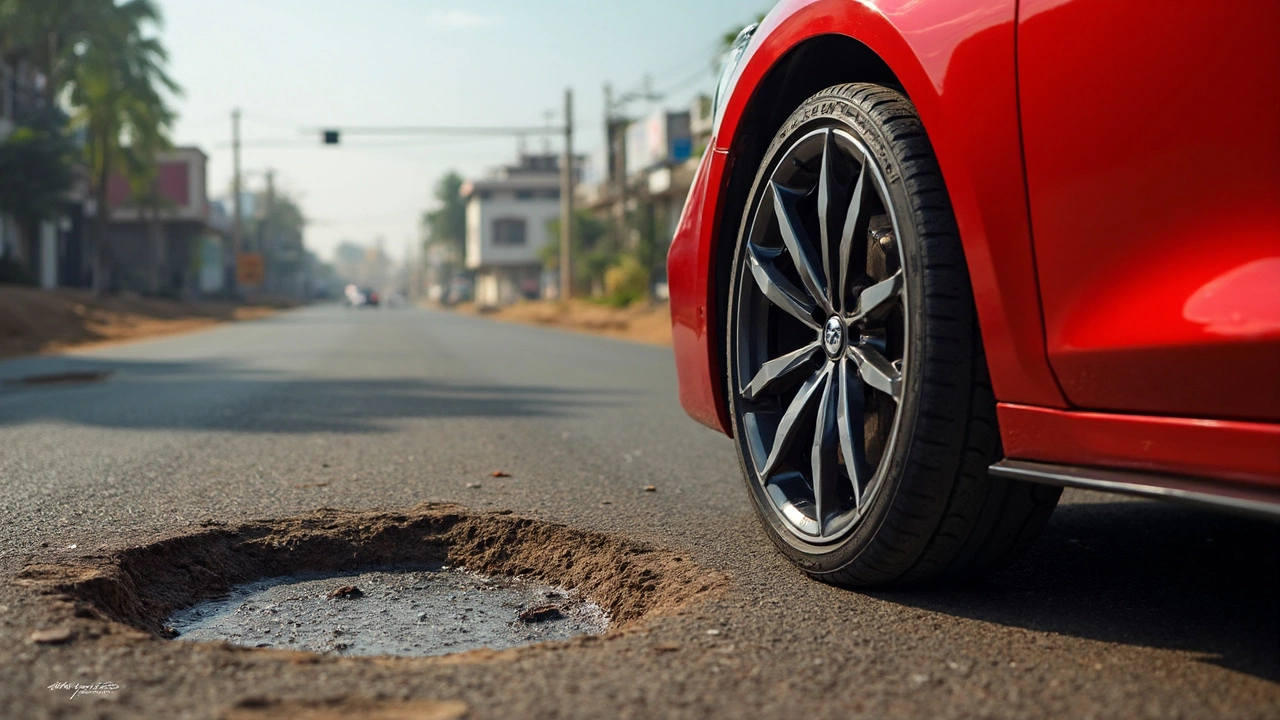
What you’ll find below aren’t just random articles. These are real, practical checks you can do yourself—like how to spot a bad suspension by sound, how to tell if your brake pads are worn out, and why replacing a clutch has nothing to do with your wheels but everything to do with how your car behaves on the road. You’ll see what actually happens when you skip maintenance, how much it costs to fix things after they break, and which parts you can replace without lifting a jack. This isn’t theory. It’s what works on Indian roads, with potholes, heat, and heavy loads. And if you’re serious about keeping your car safe and saving money, you need to know this stuff before the next flat tire or strange noise catches you off guard.
-
3 Apr
- Recent
- Popular