Windex: What It Is, How It Works, and Why It's Not for Your Car
When you think of Windex, a household glass cleaner made by Reckitt Benckiser, commonly used on windows and mirrors. Also known as glass cleaner, it's a go-to for streak-free home windows. But if you're using it on your car's windshield, you're risking more than just smudges. Windex is formulated for indoor glass—thin, flat, and free of coatings. Your car’s windshield? It’s layered with safety film, hydrophobic coatings, and sometimes built-in sensors. Windex can strip those coatings, fog up your camera systems, and leave behind a greasy film that glares under sunlight.
Car glass isn’t the same as kitchen glass. Modern windshields are engineered for visibility, safety, and compatibility with driver-assist tech like lane-keeping cameras and rain sensors. Using the wrong cleaner—like Windex—can mess with those systems. You might not notice right away, but over time, the residue builds up, reduces clarity, and makes night driving harder. Even if your windshield looks clean, the invisible film can scatter light and create blind spots. And if you’ve got a rearview camera or heads-up display? Windex could damage the lenses or sensors behind the glass. There are cleaners made specifically for automotive glass—ones that are ammonia-free, residue-free, and safe for coatings. Brands like Meguiar’s, Chemical Guys, and even basic automotive glass cleaners from your local auto parts store are designed for this exact purpose.
It’s not just about the windshield. Side windows, rear windows, and mirrors on your car all have special treatments. Using Windex on tinted windows can cause bubbling or peeling. On heated rear windows, it can interfere with the thin heating elements. Even the plastic trim around your glass can get damaged by ammonia in Windex, leading to cracking or discoloration over time. You wouldn’t use dish soap to wash your car’s paint—so why use a home cleaner on its glass? The right product costs a few dollars more, but it protects your investment. And in a place like India, where dust, pollen, and road grime are constant, using the correct cleaner makes a real difference in visibility and safety.
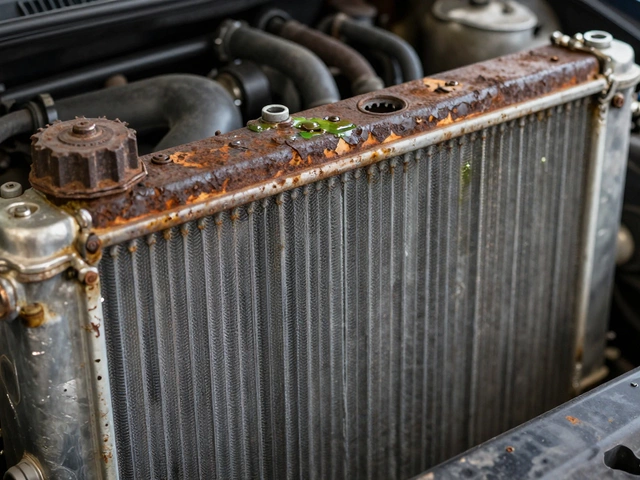
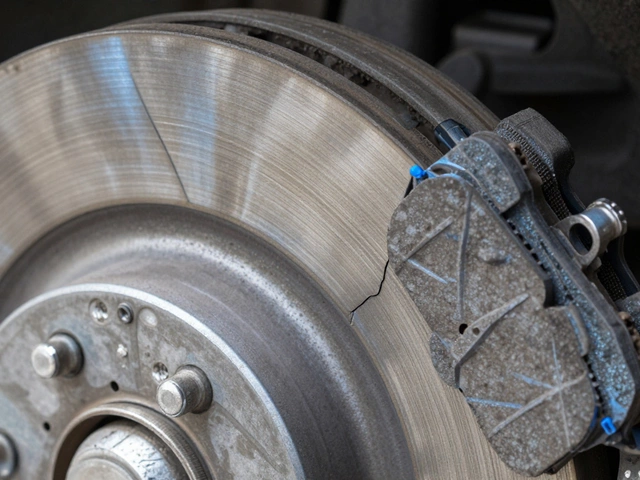
Below, you’ll find real-world posts that cover the actual parts and systems your car relies on—things like suspension wear, clutch life, brake pad replacement, and radiator function. These aren’t about cleaning products. They’re about what keeps your car running, stopping, and seeing clearly. Skip the household hacks. Stick to what works for your vehicle. The right maintenance isn’t about what’s on the shelf at the grocery store. It’s about what’s designed for your ride.
-
9 Feb
- Recent
- Popular
-
 Can Suspension Affect Engine? What You Should Know
May 4 2025
Can Suspension Affect Engine? What You Should Know
May 4 2025
-
 Spark Plug Life: How Long Do They Really Last?
May 20 2025
Spark Plug Life: How Long Do They Really Last?
May 20 2025
-
 Are silicone wiper blades better than rubber ones?
Jan 30 2026
Are silicone wiper blades better than rubber ones?
Jan 30 2026