Wiper Maintenance: Keep Your Vision Clear and Safe on the Road
When it rains, your wiper maintenance, the routine care and timely replacement of windshield wipers to ensure clear visibility while driving. Also known as windshield wiper care, it's not about fancy tools or expensive products—it’s about making sure you can see the road, the signs, and the person stepping off the curb. Most people don’t think about their wipers until they’re streaking, smearing, or skipping across the glass. By then, it’s already too late for safe driving.
Wiper blades are made of rubber, and rubber breaks down. Sun, heat, cold, dirt, and even pollen eat away at them over time. A set of wipers can look fine but still be useless. You don’t need to wait for them to fail completely. If you hear a squeak every time they swipe, if they leave patches of water behind, or if they jump instead of gliding smoothly—those are your signs. Replacing them isn’t a chore; it’s a 10-minute fix that could save your life. And it’s not just about rain. Dust storms in Rajasthan, monsoon drizzle in Kerala, or morning dew in Bangalore—all of it demands clean, functional wipers.
What most drivers miss is how wiper maintenance connects to other parts of the car. A bent wiper arm? That’s often from ice or debris. A cracked windshield? Sometimes it’s from a worn blade dragging grit across the glass. And if your wipers are old, your rear wiper might be too—most people forget it even exists until they’re backing up in a downpour. The windshield wipers, the mechanical arms and rubber blades designed to clear water and debris from a vehicle’s front and rear windows are simple, but they’re part of a bigger safety system. You check your tires, your brakes, your oil—why not your wipers? They’re your first line of defense against poor visibility.
There’s no magic schedule. Replace them every 6 to 12 months, no matter what the manual says. If you live in a place with harsh sun or heavy dust, go every 6. If you’re in a mild climate and drive mostly at night, maybe 12. But don’t wait for the first bad day. Keep a spare set in your trunk. That way, when the first storm hits, you’re not stuck on the side of the road with a broken blade and no way to see.
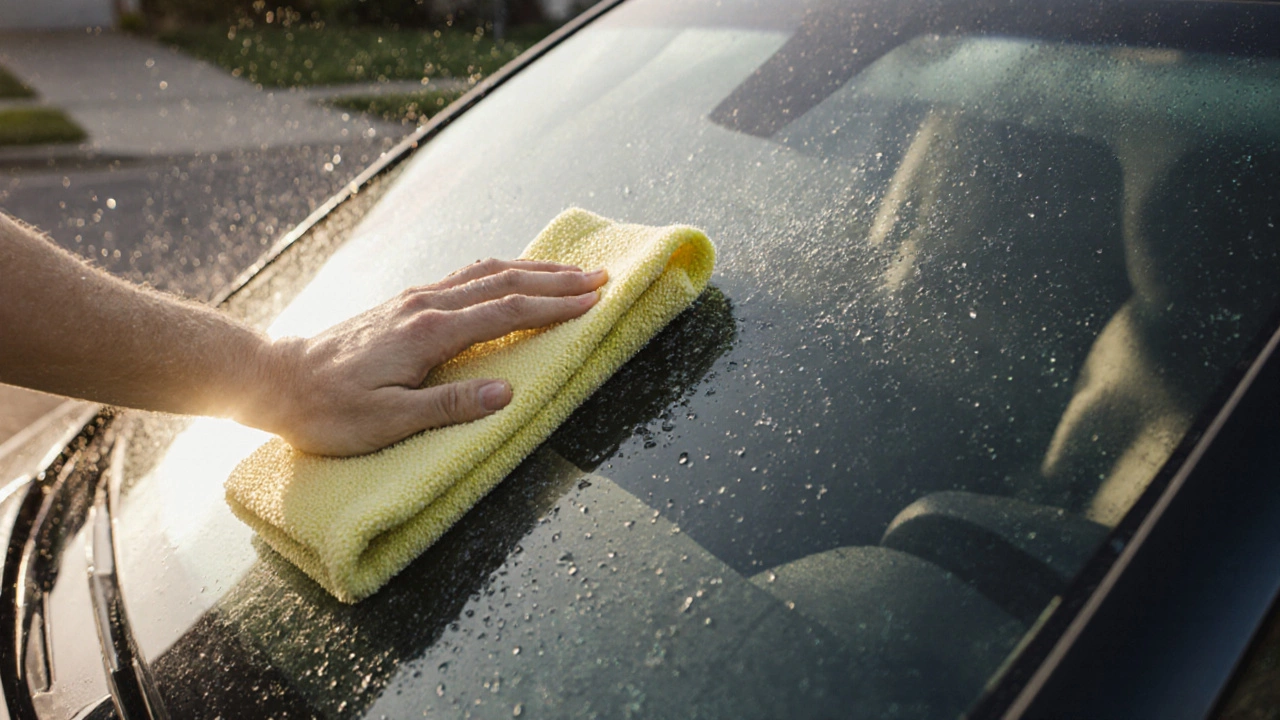
What you’ll find below aren’t just articles about replacing blades. You’ll see real stories from drivers who ignored wiper maintenance and paid for it. You’ll learn how to test your wipers at home, how to clean the windshield properly so new blades last longer, and why some cheap blades are worse than none at all. We’ll also cover why some newer cars don’t even have traditional wipers—and what that means for you. This isn’t about fixing a part. It’s about making sure you can see the road clearly, every single time you drive.
-
25 Nov
- Recent
- Popular