Alloy vs. Steel Wheel Performance Calculator
Vehicle Configuration
Performance Gains with Alloy Wheels
Total Unsprung Weight Saved
-- lbs
Lighter rotating mass improves suspension response.Estimated Fuel Economy Improvement
-- %
Based on reduced rotational inertia (typically 1-3%).Handling & Braking Benefit
--
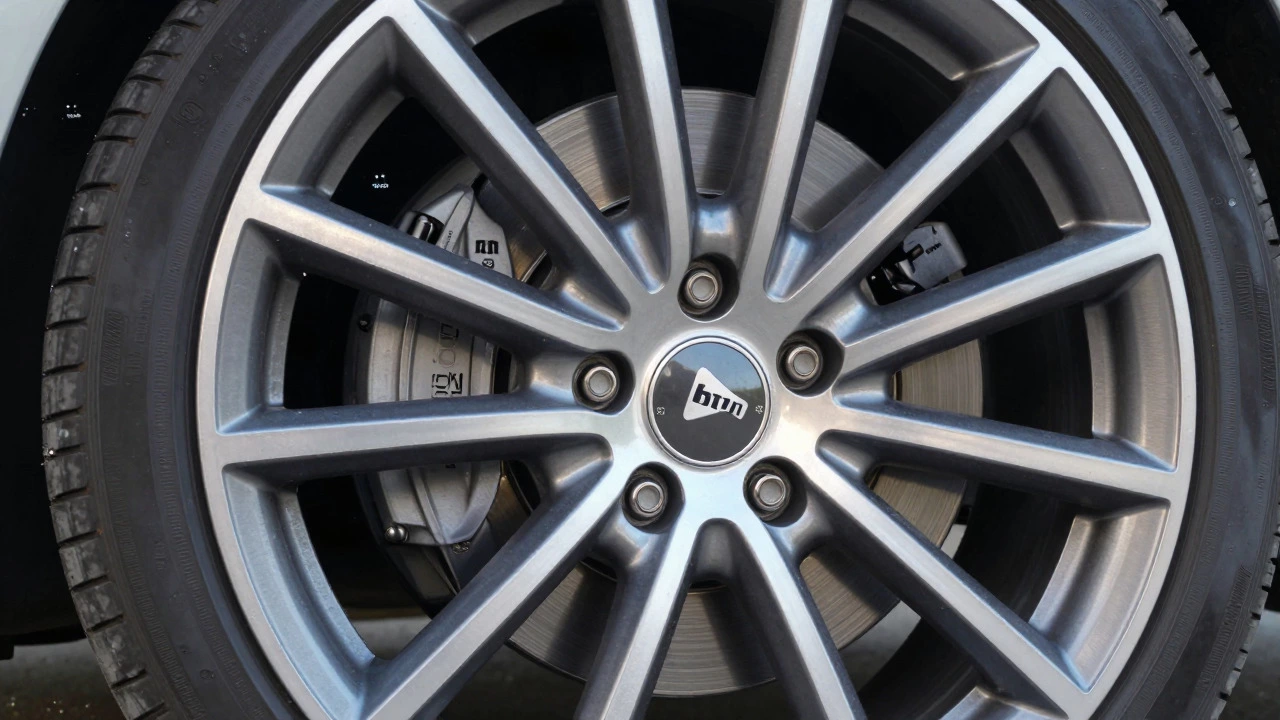
Improved grip and brake cooling efficiency.Look at the wheels on most modern cars. They likely aren't made of solid iron or plain steel. Instead, they are crafted from a mixture of metals known as an alloy, specifically a material made by combining two or more elements, where at least one is a metal. In the context of car wheels, this usually means aluminum mixed with smaller amounts of other metals like magnesium, silicon, or zinc. But why do manufacturers bother mixing these materials? And what does it actually mean for your drive?
The short answer is performance and weight. Steel wheels are heavy and durable, but they add unsprung mass to your vehicle, which can make handling feel sluggish. Alloy wheels solve this problem. By using lighter materials without sacrificing strength, engineers can create wheels that improve acceleration, braking, and fuel efficiency. However, they come with their own set of trade-offs regarding cost and durability in harsh conditions.
What Exactly Is an Alloy Wheel Made Of?
To understand alloy wheels, you first need to understand the base material: Aluminum. Pure aluminum is lightweight and resistant to rust, but it is also relatively soft. If you made a wheel out of pure aluminum, it might dent easily or deform under heavy loads. That’s where the "alloy" part comes in.
Manufacturers add specific elements to strengthen the metal. The most common addition is Magnesium. Magnesium makes the aluminum harder and more rigid. Other ingredients might include:
- Silicon: Improves fluidity during the casting process, allowing for complex designs.
- Zinc: Adds strength and hardness.
- Copper: Increases tensile strength but can reduce corrosion resistance if not balanced correctly.
- Manganese: Helps refine the grain structure of the metal, making it tougher.
The ratio of these metals varies depending on the manufacturer and the intended use of the wheel. For example, a wheel designed for a high-performance sports car might have a higher magnesium content for maximum stiffness, while a wheel for a family SUV might prioritize corrosion resistance with different additives.
How Are Alloy Wheels Manufactured?
Not all alloy wheels are created equal. The manufacturing process significantly impacts the wheel's strength, weight, and price. There are three primary methods used in the industry today.
- Gravity Casting: This is the most common and affordable method. Molten aluminum alloy is poured into a mold under the force of gravity. It’s efficient for mass production but can result in porosity (tiny air bubbles) within the metal, making it slightly less strong than other types.
- Flow Forming: This hybrid technique starts with a cast rim but then uses rollers to stretch and thin the barrel of the wheel. This work-hardens the metal, making it stronger and lighter than standard cast wheels. You’ll often see this on mid-range vehicles.
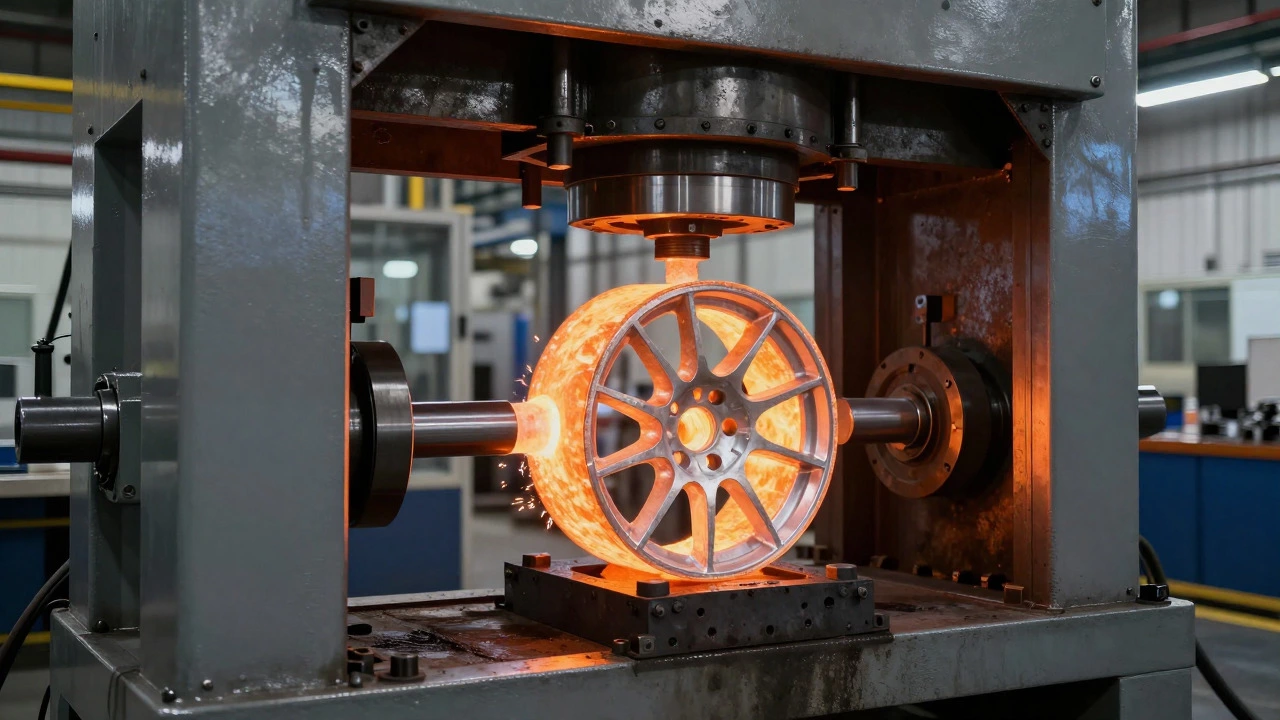
- Forging: Considered the gold standard for strength and lightness. A solid block of aluminum is heated and hammered under immense pressure (up to 7,000 tons) into shape. This aligns the metal’s grain structure, resulting in a wheel that is incredibly strong yet very light. Forged wheels are typically found on luxury cars and high-end aftermarket setups.
If you’re buying replacement wheels, knowing the manufacturing process helps you judge value. A forged wheel will always cost more than a cast one, but it offers superior performance characteristics.
Alloy vs. Steel: The Core Comparison
The biggest debate in the wheel world is alloy versus steel. Steel wheels are the old guard-simple, cheap, and tough. Alloy wheels are the modern alternative. Here is how they stack up against each other in real-world scenarios.
| Feature | Alloy Wheels | Steel Wheels |
|---|---|---|
| Weight | Lighter (reduces unsprung mass) | Heavier (increases rotational inertia) |
| Durability | Can crack under extreme impact; prone to curb rash | Bends rather than cracks; highly durable |
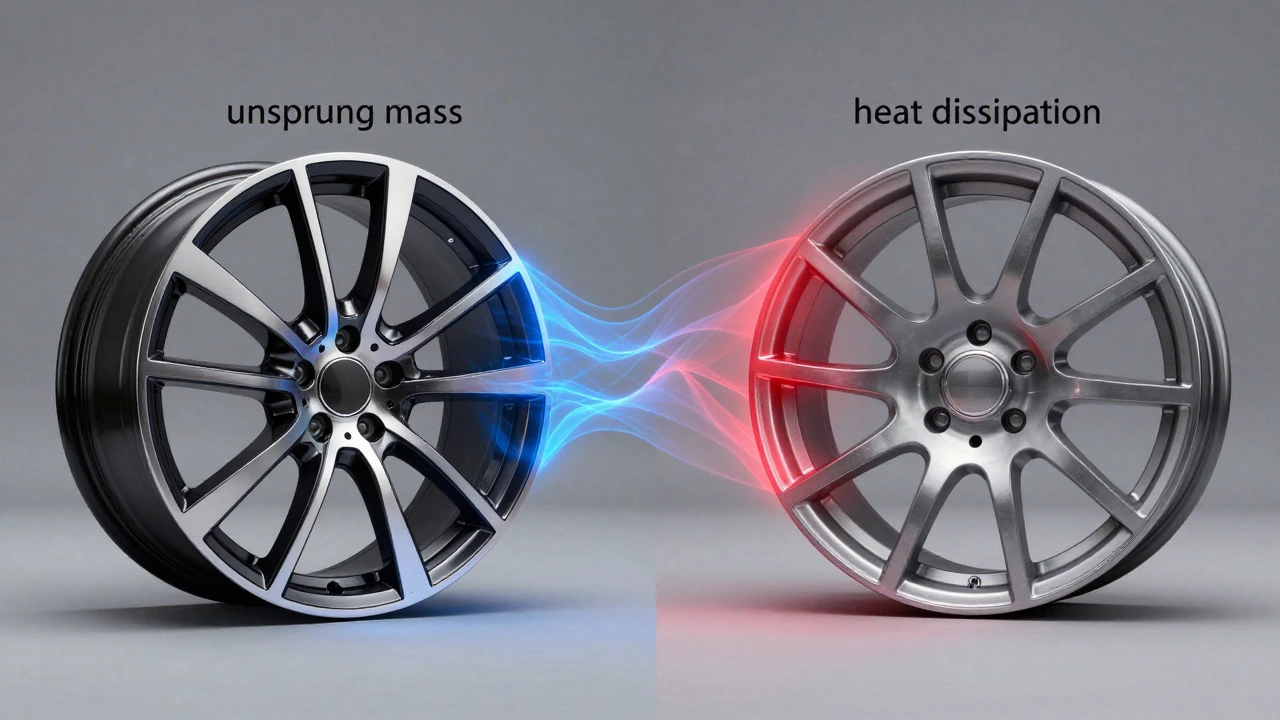
| Heat Dissipation | Excellent (cools brakes faster) | Poor (insulates heat) |
| Corrosion Resistance | Good (but can corrode if coating is damaged) | Poor (rusts easily unless coated) |
| Cost | Higher initial cost | Lower initial cost |
| Aesthetics | Highly customizable designs | Usually covered by hubcaps |
The key takeaway here is Unsprung Mass. This refers to the weight of components not supported by the suspension, such as wheels, tires, and brake rotors. Lower unsprung mass allows the suspension to react more quickly to road imperfections. This means better grip, sharper steering response, and improved ride comfort. Steel wheels drag down your suspension’s ability to keep the tire planted on the road.
Do Alloy Wheels Actually Improve Performance?
Yes, but the extent depends on your driving habits. Because alloy wheels are lighter, your engine doesn’t have to work as hard to rotate them. This reduction in rotational inertia leads to several tangible benefits:
- Acceleration: Lighter wheels spin up faster, giving you a slight boost in 0-60 times.
- Braking: Less mass means less kinetic energy to dissipate when stopping. Combined with better heat dissipation from the wheel itself, your brakes stay cooler and last longer.
- Fuel Economy: While the savings per mile are small, reducing the weight of rotating parts can improve fuel efficiency by 1-3% over time.
However, don’t expect a magical transformation. Swapping steel wheels for alloys on a heavy truck won’t make it handle like a sports car. The benefits are most noticeable on smaller, lighter vehicles where every kilogram counts.
The Hidden Risks: Corrosion and Damage
While alloy wheels look great, they aren’t indestructible. One major misconception is that because aluminum doesn’t rust like steel, it’s immune to corrosion. This is false. Aluminum oxidizes. When the clear coat or paint on an alloy wheel chips away-often from hitting a curb or road debris-the bare metal is exposed to air and moisture.
This leads to Pitting Corrosion. You might see white, chalky spots or small craters forming on the wheel surface. Over time, this can weaken the metal structure. In coastal areas like Bristol, where salt spray is common, this process accelerates rapidly.
Another risk is cracking. Unlike steel, which tends to bend when hit hard, aluminum is more brittle. A severe impact with a pothole or speed bump can cause a hairline crack in an alloy wheel. These cracks are dangerous because they can propagate and lead to sudden wheel failure. Always inspect your wheels after hitting a significant obstacle.
Maintenance Tips for Longevity
To keep your alloy wheels looking good and functioning safely, regular maintenance is essential. Here are some practical steps you can take:
- Wash Regularly: Brake dust contains iron particles that eat into the wheel’s clear coat. Wash your wheels at least once a week, especially in winter when road salt is used.
- Use pH-Neutral Cleaner: Avoid acidic or alkaline cleaners that can strip the protective coating. Look for products specifically designed for alloy wheels.
- Check for Damage: Inspect the rims for curb rash or cracks every few months. Small chips in the paint should be touched up immediately to prevent corrosion.
- Balance and Align: After installing new alloy wheels, ensure they are properly balanced and aligned. Uneven wear can damage both the tires and the wheels.
If you live in a region with harsh winters, consider applying a ceramic coating or sealant to your wheels. This creates a hydrophobic barrier that repels water, dirt, and salt, making cleaning easier and protecting the finish.
Are Alloy Wheels Worth the Cost?
For most drivers, yes. The combination of improved aesthetics, better handling, and enhanced braking performance justifies the higher price tag. If you drive a daily commuter car, the upgrade from steel to alloy is one of the most noticeable improvements you can make. It transforms the look of the vehicle and sharpens the driving experience.
However, if you frequently drive on rough, unpaved roads or carry extremely heavy loads, steel wheels might still be the pragmatic choice. Their ability to bend rather than break makes them easier and cheaper to repair in off-road conditions. For city dwellers and highway commuters, though, alloy wheels remain the superior option.
Do alloy wheels rust?
Alloy wheels do not rust in the traditional sense because they are primarily made of aluminum, which does not contain iron. However, they can corrode. When the protective coating is damaged, the aluminum reacts with oxygen and moisture, leading to oxidation and pitting. This appears as white, flaky spots on the wheel surface.
Can alloy wheels be repaired?
Yes, minor damage like curb rash or small dents can often be repaired by professional wheel technicians. They grind down the damaged area, fill it with epoxy, and repaint it. However, cracked wheels usually need to be replaced for safety reasons, as cracks can worsen over time.
Why are forged wheels more expensive?
Forged wheels are made from a solid block of aluminum that is hammered into shape under high pressure. This process is labor-intensive, requires expensive machinery, and results in a stronger, lighter wheel with fewer defects. The superior material properties and manufacturing complexity drive up the cost.
Do alloy wheels affect fuel economy?
Yes, alloy wheels can slightly improve fuel economy. Because they are lighter than steel wheels, the engine has to work less to rotate them. This reduction in unsprung mass can lead to fuel savings of approximately 1-3%, depending on the vehicle and driving conditions.
What is the difference between cast and flow-formed wheels?
Cast wheels are made by pouring molten metal into a mold, which is a cheaper but less precise process. Flow-formed wheels start as cast wheels but undergo an additional step where the barrel is stretched and rolled. This strengthens the metal and reduces weight, offering a balance between cost and performance.