Windscreen Wiper Diagnostic Tool
Select the symptom you are experiencing with your windscreen wipers to get a diagnosis and recommended fix.
Quick Maintenance Checklist
- ✓ Replace blades every 6-12 months
- ✓ Clean rubber edge with alcohol
- ✓ Check arm tension regularly
- ✓ Never run dry (use washer fluid)
- ✓ Lift blades in winter to prevent freezing
Regular maintenance can extend wiper life by up to 50%.
There is nothing more frustrating than being caught in a sudden downpour only to realize your windscreen wipers are doing absolutely nothing but smearing mud across the glass. You might think they are just annoying, but poor visibility due to faulty wipers is a leading cause of accidents during bad weather. If your wipers are skipping, squeaking, or leaving streaks, you aren't just dealing with an inconvenience; you are compromising safety.
Most drivers assume that if the wipers move, they are fine. This is a dangerous misconception. A worn-out blade can reduce visibility by up to 40% in heavy rain. In this guide, we will break down exactly what goes wrong with windscreen wipers, why it happens, and how you can fix it yourself without spending a fortune at a garage.
The Most Common Wiper Blade Problems
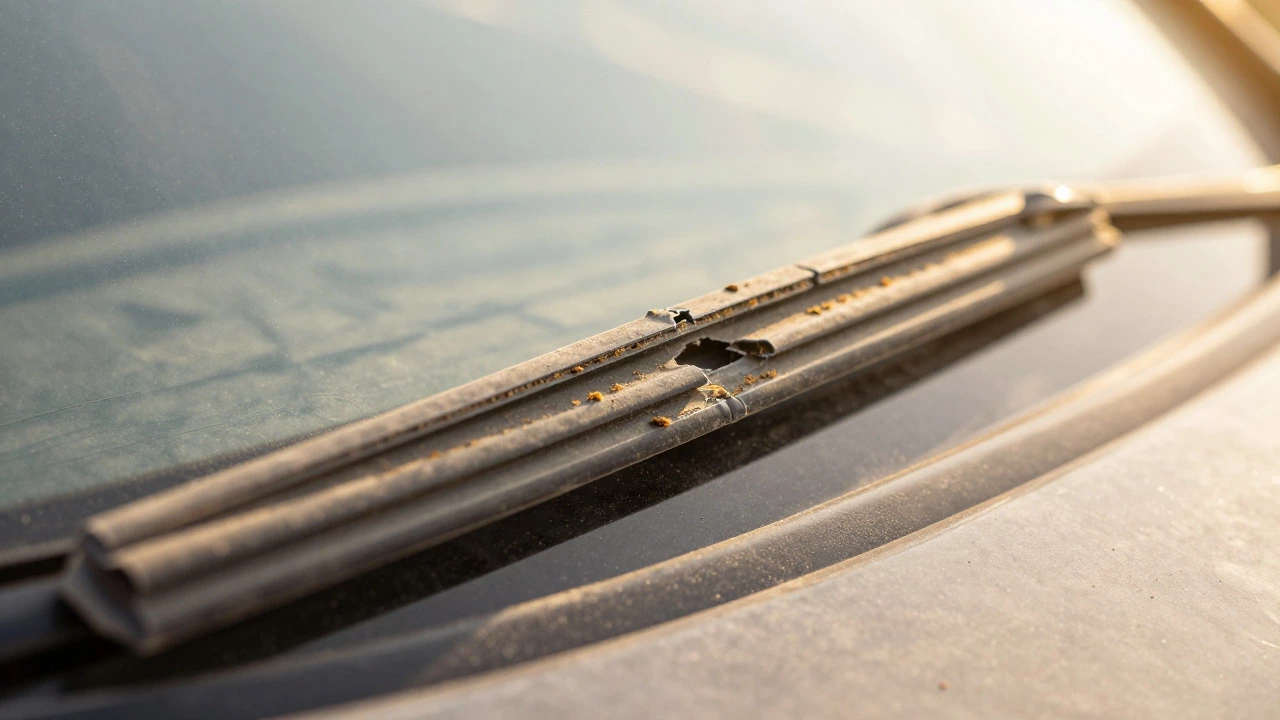
The rubber part of your wiper system takes the most abuse. It is constantly exposed to UV rays, extreme temperatures, road salt, and dirt. Over time, this leads to several specific issues that degrade performance.
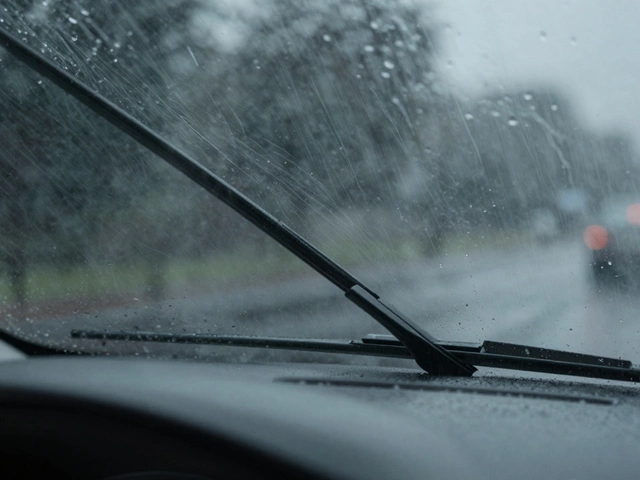
- Streaking: This happens when the rubber becomes hard or cracked. Instead of wiping water away cleanly, the blade leaves thin lines of moisture behind. This is often caused by age or exposure to sunlight.
- Squeaking or Chattering: If your wipers sound like a cat walking on your roof, the rubber edge is likely uneven or contaminated with oil or tree sap. The blade isn't making smooth contact with the glass.
- Hopping or Skipping: When you see patches of unwiped glass, the blade is jumping across the surface. This is usually due to a bent metal frame or excessive pressure from the wiper arm.
- Smearing: If the glass looks oily after wiping, there is likely a layer of wax, polish, or insect residue on the windshield that the old rubber is pushing around rather than clearing.
These issues rarely happen overnight. They develop gradually as the rubber degrades. Most manufacturers recommend replacing wiper blades every six to twelve months, but in harsh climates, you might need them sooner.
Hidden Mechanical Issues Beyond the Blades
If you have replaced your blades and the problem persists, the issue lies deeper within the mechanism. Many drivers overlook these components because they are hidden under the hood or behind the dashboard.
| Component | Symptom | Cause |
|---|---|---|
| Wiper Motor | Wipers stop moving entirely or move very slowly | Burnt out motor, broken gears, or electrical failure |
| Linkage System | One wiper works while the other doesn't, or erratic movement | Rusted joints, disconnected rods, or stripped splines |
| Wiper Arms | Blades don't sit flat against the glass | Spring tension loss or bent metal arms |
| Parking Switch | Wipers don't return to the bottom position | Faulty switch sensor or misaligned parking position |
The wiper motor is the heart of the system. If it starts making a grinding noise before stopping, the internal gears are likely stripped. This is common in older vehicles where the grease dries out. Similarly, the linkage connects the motor to the arms. If one arm moves erratically, check for rusted pivot points. Cleaning and lubricating these joints with white lithium grease can sometimes revive a sluggish system.
Environmental Factors That Accelerate Wear
Where you live plays a huge role in how long your wipers last. In places like Bristol, UK, where rain is frequent but temperatures are mild, rubber lasts longer than in areas with extreme heat or freezing cold.
UV radiation is the silent killer of wiper blades. Even if you don't drive much, sun exposure causes the rubber to oxidize and crack. This is why storing your car in a garage helps. Conversely, winter brings its own challenges. Ice buildup can freeze the blades to the glass, forcing the motor to work harder and potentially burning it out if you try to force them.
Sand and dust are also abrasive. In dry, dusty regions, grit gets trapped between the blade and the glass, acting like sandpaper. This wears down the rubber edge quickly, leading to streaking. Regular cleaning of the windshield with a dedicated glass cleaner-not household detergents-can remove this abrasive layer.
How to Diagnose and Fix Wiper Issues
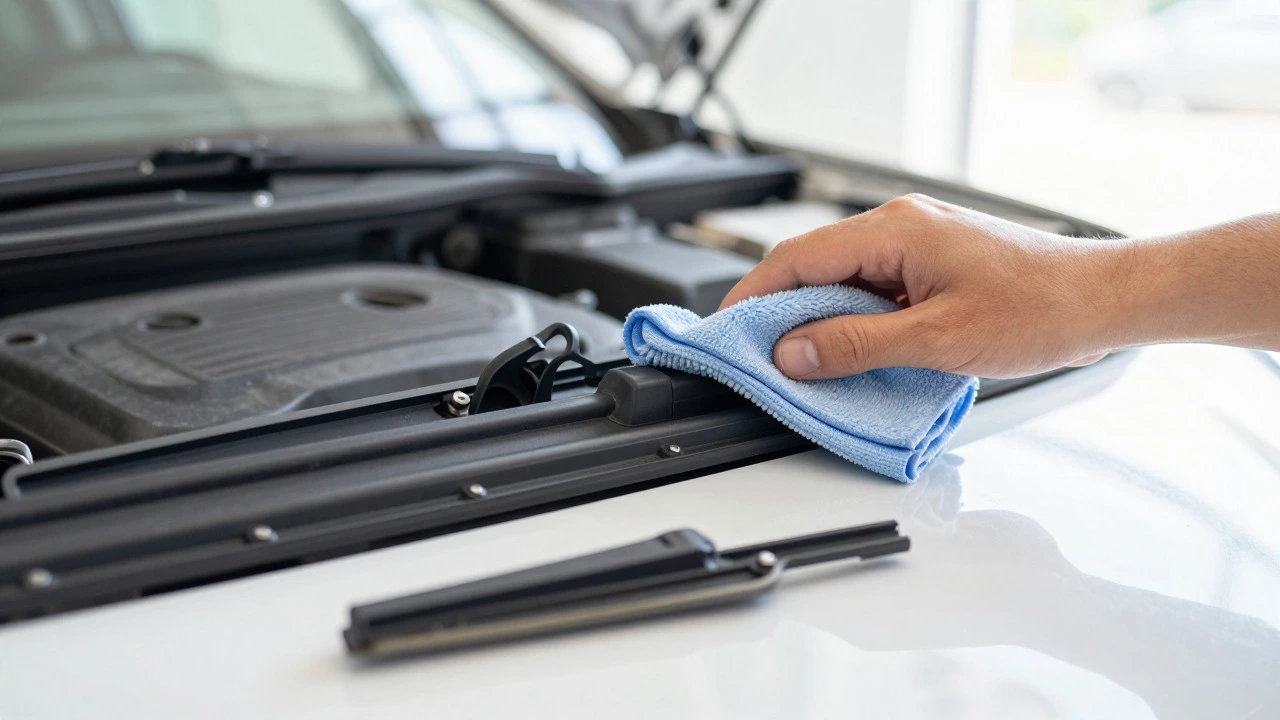
Before you buy new parts, perform a simple diagnostic test. Turn on your washer fluid and watch the blades closely. Do they wipe evenly? Do they leave streaks? Listen for unusual noises. If the blades are clean and the glass is free of oil, but the problem persists, replace the blades first. They are the cheapest and easiest component to swap.
- Clean the blades: Use a cloth soaked in isopropyl alcohol to wipe the rubber edge. This removes built-up oils and contaminants that cause squeaking.
- Inspect the arms: Lift the wiper arm gently. It should snap back into place with consistent pressure. If it flops loosely, the spring may be weak.
- Check the linkage: With the engine off, manually move the wiper arm. If it feels stiff or catches, the linkage may be corroded.
- Test the motor: If the blades don't move at all, check the fuse first. If the fuse is good, listen for a humming sound from under the hood. Humming without movement suggests a mechanical jam.
Replacing blades is straightforward. Most modern cars use a standard hook arm, but some luxury brands use proprietary connectors. Always consult your vehicle's manual to ensure you buy the correct size and type. Using the wrong size can lead to poor coverage or damage to the windshield.
Maintenance Tips to Extend Wiper Life
You can significantly extend the life of your wipers with simple habits. First, never run the wipers on a dry windshield. This grinds the rubber against the glass, causing rapid wear. Always spray washer fluid first to lubricate the surface.
In winter, lift the blades slightly after washing your car or driving in snow. This prevents them from freezing to the glass. Also, avoid using ice scrapers near the blades, as accidental hits can bend the delicate metal frame.
Finally, keep your windshield clean. Dirt and bugs accumulate over time, creating a rough surface that abrades the rubber. Wash your exterior regularly, paying special attention to the glass area. A clean windshield means less friction and longer-lasting blades.
How often should I replace my windscreen wipers?
Generally, every 6 to 12 months. However, if you notice streaking, squeaking, or skipping, replace them immediately regardless of age. Harsh weather conditions may require more frequent changes.
Why do my wipers make a squeaking noise?
Squeaking is usually caused by dirty blades, dried-out rubber, or a contaminated windshield. Clean the rubber edge with alcohol and ensure the glass is free of wax or oil residues.
Can I use any wiper blade on my car?
No. Wiper blades come in different sizes and connector types. Using the wrong size can result in poor coverage, while the wrong connector may not fit securely. Check your owner's manual for specifications.
What should I do if my wipers won't turn on?
First, check the fuse box for a blown wiper fuse. If the fuse is intact, listen for a motor hum. If there is no sound, the switch or motor may be faulty. Consult a mechanic for electrical diagnostics.
Is it safe to drive with streaking wipers?
Not really. Streaking reduces visibility, especially at night when streetlights create glare. For safety, replace streaking blades as soon as possible to ensure clear vision in all weather conditions.