Spark Plug Replacement Calculator
Your Vehicle Details
Results & Comparison
- DIY Cost (Parts Only): $0.00
- Shop Total Cost: $0.00
- Est. Lifespan: 0 miles
Performance Note:
New plugs improve starting immediately.
Enter your vehicle details to see how much you can save on this essential maintenance task.
Your car sits in the driveway for three days. You get in, turn the key, and instead of that smooth idle you’re used to, the engine coughs, hesitates, or just cranks endlessly without catching. It’s frustrating, especially when you’re running late. Your mind immediately jumps to the worst-case scenarios: a dead battery, a failing starter motor, or maybe even internal engine damage. But before you drop hundreds of dollars on diagnostics, there is a small, inexpensive component that might be the culprit. That component is your spark plug.
The short answer is yes: new spark plugs can significantly improve starting performance, particularly if your current plugs are worn, fouled, or incorrectly gapped. However, they aren’t a magic cure-all. If your fuel pump is dead or your timing belt has snapped, fresh plugs won’t help. To understand why replacing these tiny metal rods matters so much for that initial crank, we need to look at what actually happens inside your engine during startup.
Why Cold Starts Are Harder Than Warm Runs
Starting an engine from a cold state is mechanically different from keeping it running. When your engine is warm, the metal components have expanded slightly, creating tighter tolerances that help maintain compression. More importantly, the air-fuel mixture is easier to ignite because the combustion chamber is hot.
When the engine is cold, two things happen that make ignition difficult:
- Fuel Condensation: Liquid fuel tends to condense on the cold walls of the cylinder and the intake manifold. This creates a richer mixture than intended, which can physically drown the spark.
- Battery Drain: Cold temperatures increase the viscosity of engine oil, making it thicker. The starter motor has to work harder to turn the engine over, drawing more power from the battery. If the voltage drops too low, the ignition coil doesn't get enough juice to create a strong spark.
In this high-stress environment, your spark plugs are under maximum pressure. They need to jump a gap with consistent energy to ignite that tricky, wet, cold mixture. Old or degraded plugs often fail here, not because they are completely dead, but because their spark is weak or inconsistent.
How Worn Spark Plugs Sabotage the Ignition Process
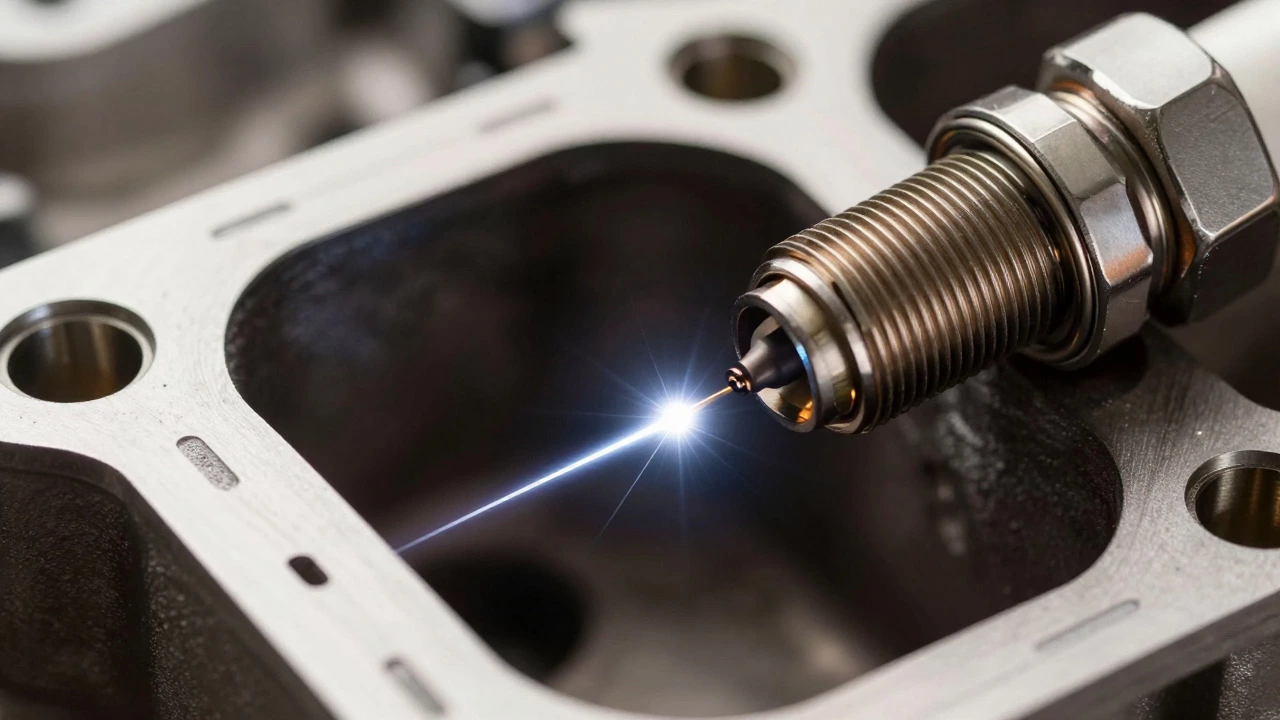
A spark plug is a device that delivers electric current from your ignition system to the combustion chamber to ignite the compressed air/fuel mixture works by sending a high-voltage electrical arc across a small gap between a center electrode and a ground electrode. Over time, this process causes physical wear.
Here is how that wear directly impacts your ability to start the car:
- Electrode Erosion: Every time the spark fires, a tiny bit of material is eroded from the electrodes. As the electrodes wear down, the gap between them widens. A wider gap requires higher voltage to bridge. If your ignition coil is already struggling due to a cold battery, it may not generate enough voltage to jump that widened gap, resulting in a missed cycle.
- Carbon Fouling: If your engine burns oil slightly, or if you do a lot of short trips where the engine never fully warms up, carbon deposits build up on the plug tip. Carbon is conductive. Instead of the spark jumping the gap to ignite the fuel, the electricity leaks through the carbon deposit to the ground. This is called "fouling." A fouled plug produces little to no spark, making cold starts nearly impossible.
- Insulator Breakdown: The ceramic insulator in the middle of the plug keeps the high voltage contained. Heat cycles cause this ceramic to crack microscopically over years. These cracks allow voltage to leak out before it reaches the electrode, weakening the spark intensity.
Think of it like trying to light a damp match. A fresh, dry match lights instantly. A match that’s been sitting in a humid drawer (a worn plug) might take several strikes, or it might sputter and die. In an engine, that "sputtering" is your rough idle or failure to start.
Signs Your Spark Plugs Are Causing Start-Up Issues
You don’t always need a mechanic to tell you if your plugs are bad. There are specific symptoms that point directly to ignition problems rather than fuel or mechanical issues. Watch for these signs:
- Prolonged Cranking: The engine turns over at normal speed but takes 3-5 seconds or more to catch. This suggests the spark is intermittent.
- Rough Idle After Starting: The car starts, but it shakes violently or sounds like it’s missing beats for the first minute. This is classic misfire behavior caused by one or more weak plugs.
- Hard Starts Only When Cold: If the car starts fine after sitting for an hour but struggles every morning, it’s likely a combination of fuel richness and weak spark.
- Check Engine Light with Misfire Codes: Codes like P0300 (random misfire) or P0301-P0308 (cylinder-specific misfire) are strong indicators. While these codes can also mean bad coils or injectors, plugs are the cheapest and most common fix.
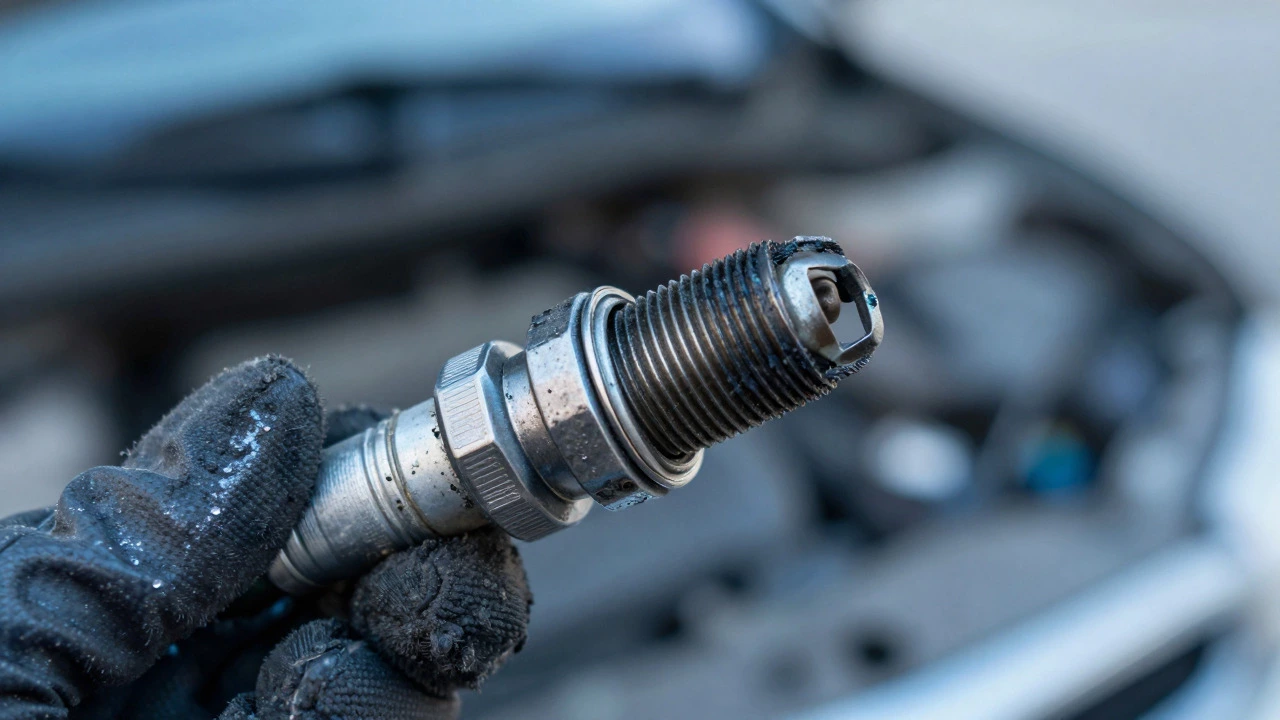
If you notice these issues, pull a plug out and look at it. A healthy plug should have a light tan or gray color on the electrode. If it’s black and sooty, it’s fouled. If the electrode looks rounded or melted, it’s worn out. Either way, it needs replacement.
Choosing the Right Plug Material for Better Starts
Not all spark plugs are created equal. The material of the electrode plays a huge role in how well your car starts, especially in modern engines with direct injection or turbochargers. Here is a breakdown of the three main types available in 2026:
| Material Type | Lifespan | Cold Start Performance | Best For |
|---|---|---|---|
| Copper | 20,000 - 30,000 miles | Moderate. Prone to fouling if driven short distances. | Older vehicles, budget repairs. |
| Iridium | 60,000 - 100,000+ miles | Excellent. Fine wire allows precise, strong spark even in rich mixtures. | Modern direct-injection engines, turbos. |
| Platinum | 40,000 - 60,000 miles | Good. Resists corrosion better than copper. | Standard gasoline engines, older luxury cars. |
For most drivers dealing with hard starting issues, upgrading to Iridium plugs is the smart move. Iridium has a finer center electrode, which means the spark is concentrated into a smaller area. This makes it easier to ignite the fuel mixture, even when conditions aren't perfect. Plus, they last longer, meaning you won't have to worry about this problem again for a decade.
Don't Forget the Gap: The Hidden Variable
Even brand-new spark plugs can cause starting problems if they aren't gapped correctly. The gap is the distance between the center electrode and the side electrode. Your vehicle manufacturer specifies an exact measurement, usually between 0.028 and 0.060 inches depending on the engine design.
If the gap is too wide, the ignition coil has to work overtime to bridge the distance. In cold weather, when the battery is weaker, this extra load can cause the voltage to sag, leading to a weak spark. If the gap is too narrow, the spark might be strong, but it could be insufficient to ignite a lean mixture, or it might cause pre-ignition (knocking).
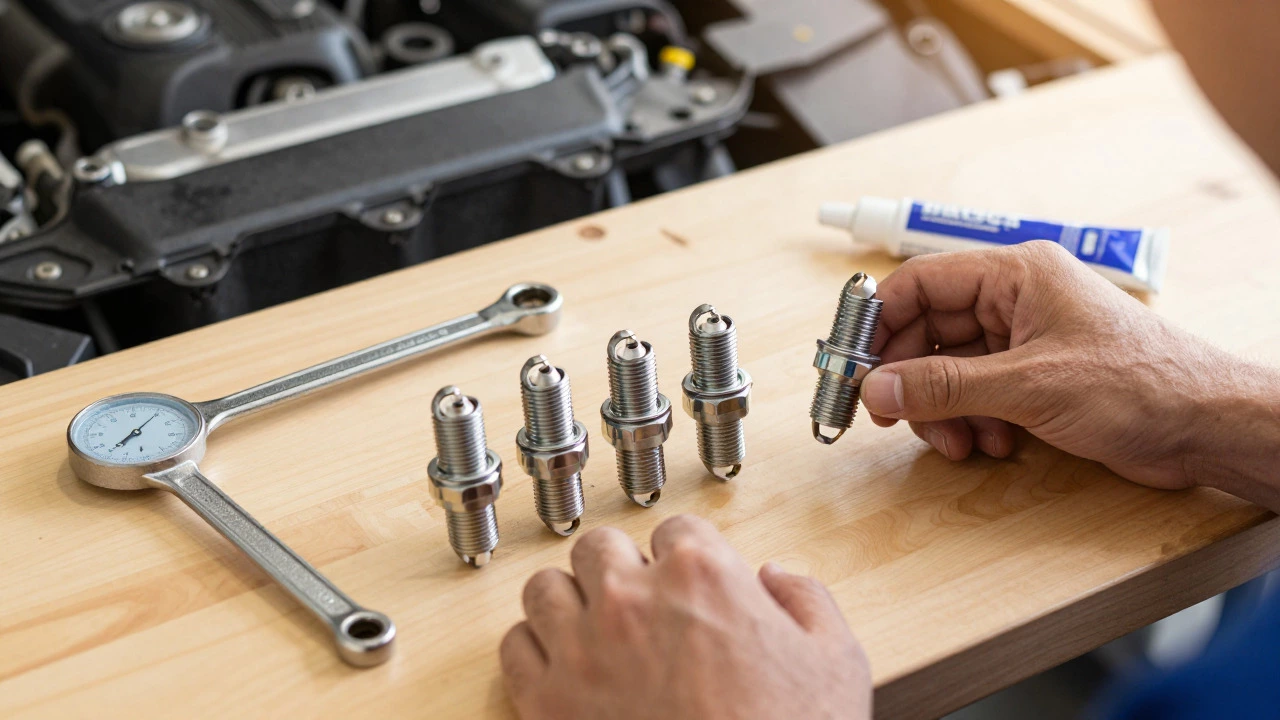
Most iridium and platinum plugs come pre-gapped from the factory, but it’s worth checking with a feeler gauge before installation. Copper plugs almost always require manual gapping. Spending five minutes on this step can save you hours of diagnostic headaches later.
When Spark Plugs Aren't the Problem
While new plugs often solve starting woes, it’s important not to ignore other potential culprits. If you replace your plugs and the car still refuses to start, consider these factors:
- Ignition Coils: The coil transforms the battery's 12 volts into the 20,000+ volts needed for the spark. If a coil is failing, no amount of new plugs will fix it. Listen for a ticking sound when the engine is off but the key is turned to "on."
- Fuel Pressure: A weak fuel pump or clogged filter means not enough gas is reaching the cylinders. You’ll hear the fuel pump hum for a few seconds when you turn the key; if it’s silent or weak, that’s your issue.
- Compression Loss: If your timing chain has stretched or your valves are leaking, the engine won’t have the pressure needed to combust the fuel. This usually comes with a loss of power while driving, not just starting issues.
- Battery Health: A battery that holds a charge when warm but fails in the cold is common. Have it load-tested at an auto parts store. It’s free and takes five minutes.
Pro Tips for Installation and Maintenance
Replacing spark plugs is one of the few jobs you can easily do yourself, saving $100-$200 in labor. Here’s how to do it right:
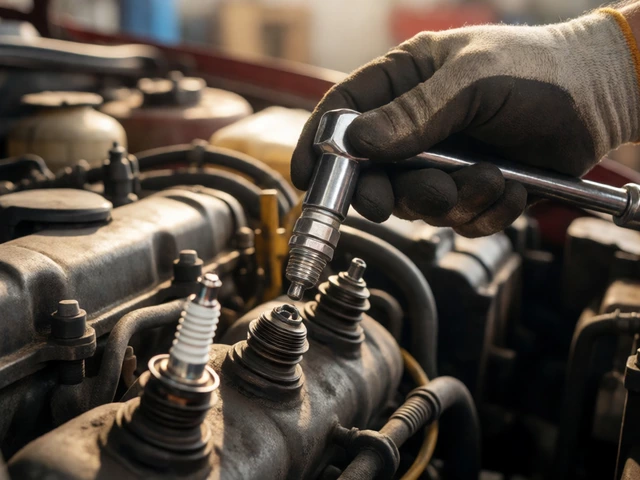
- Work One Cylinder at a Time: Remove the old plug, install the new one, and torque it before moving to the next. This prevents you from dropping debris into the cylinder or mixing up wires/coils.
- Use Dielectric Grease: Apply a small amount of dielectric grease to the rubber boot of the plug. This prevents moisture buildup and makes removal easier next time. Don’t get any on the electrodes!
- Torque Correctly: Over-tightening can crack the ceramic insulator. Under-tightening can cause heat leakage and pre-ignition. Use a torque wrench set to your manufacturer’s specification (usually 10-20 ft-lbs).
- Replace All at Once: Even if only one plug looks bad, replace all of them. Mixing old and new plugs leads to uneven combustion and reduced fuel economy.
By addressing your spark plugs proactively, you ensure that your ignition system is ready to handle the stress of cold starts. It’s a small investment that pays off in reliability and peace of mind every time you turn the key.
How long does it take for new spark plugs to improve starting?
The improvement is immediate. Once the new plugs are installed and the engine starts, you should notice smoother idling and faster cranking response right away. There is no "break-in" period required for spark plugs.
Can bad spark plugs cause a car to not start at all?
Yes. If multiple plugs are severely fouled or have cracked insulators, the engine may lack sufficient combustion events to overcome its own inertia. This results in the engine cranking but never firing, mimicking a dead battery or starter issue.
Should I use premium spark plugs for my daily driver?
If your owner’s manual recommends iridium or platinum, stick with those. Premium plugs offer better cold-start performance and last significantly longer than copper plugs, reducing maintenance frequency. For modern engines, the cost difference is negligible over the lifespan of the vehicle.
How often should I replace spark plugs to prevent starting issues?
Copper plugs should be replaced every 30,000 miles. Platinum plugs every 60,000 miles. Iridium plugs can last up to 100,000 miles. However, if you drive primarily short distances in cold climates, consider replacing them every other interval as carbon fouling accelerates.
Does the type of fuel affect spark plug life?
Yes. Ethanol-blended fuels (like E10 or E15) can be more corrosive to certain electrode materials and may leave more residue. Using iridium plugs helps mitigate this effect. Always check your manufacturer’s recommendation regarding fuel type and plug compatibility.