Filters: What They Do, Why They Matter, and When to Replace Them
When you think of filters, devices that trap unwanted particles to protect systems and improve air quality. Also known as air filtration systems, they’re not just a small part of your car or home—they’re the first line of defense against dust, pollen, and debris that can wreck engines, clog vents, and make your air unhealthy. Without them, your engine works harder, your HVAC uses more electricity, and your lungs pay the price.
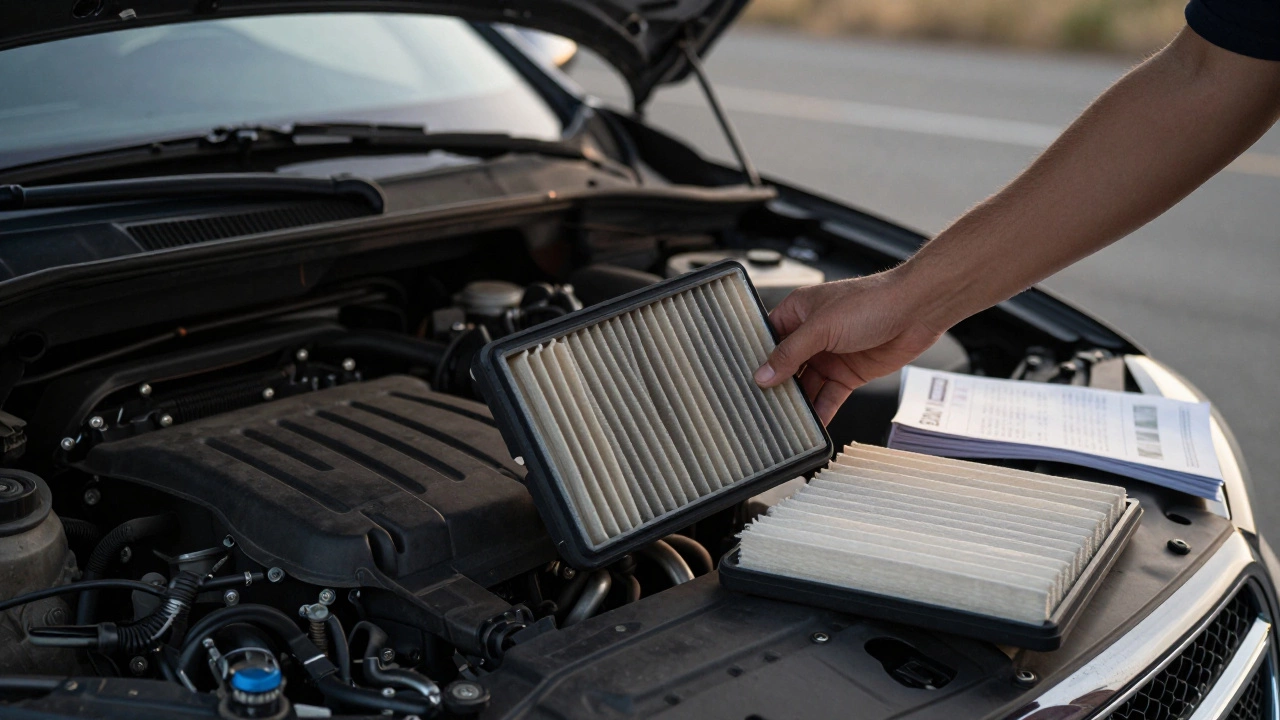
Air filters, specifically designed to clean air entering engines or living spaces, come in two main types: one for your car’s engine and another for the cabin. The engine air filter, blocks dirt and grit from entering the combustion chamber—if it gets clogged, your car loses power and burns more fuel. The cabin air filter, cleans the air you breathe inside the vehicle, stopping pollen, smoke, and even bad odors. Then there’s the HVAC filter, used in home heating and cooling systems to keep ducts clean and air safe. These aren’t interchangeable. Using the wrong one can damage your system or do nothing at all.
People often ignore filters until something breaks. A dirty filter doesn’t just reduce efficiency—it can cause expensive repairs. A clogged engine filter can lead to misfires. A blocked cabin filter makes your blower motor strain and can trigger allergies. A dirty HVAC filter forces your system to run longer, spiking your electric bill. And yes, MERV ratings matter. A MERV 13 filter might sound better, but if your system can’t handle the airflow resistance, it’ll just cause more problems. Washable filters save money over time, but only if you clean them right—and most people forget.
You don’t need to be a mechanic to know when your filter needs attention. Dust on the dashboard, strange noises from your vents, weaker AC airflow, or a check engine light? These aren’t random glitches—they’re signals. The posts below break down exactly what to look for, how often to swap filters, whether reusable ones are worth it, and why skipping this step is cheaper in the short term but far more costly long-term. Whether you drive a hatchback or live in a high-rise apartment, the right filter keeps everything running smoother, cleaner, and longer.
-
24 Feb
-
10 Feb
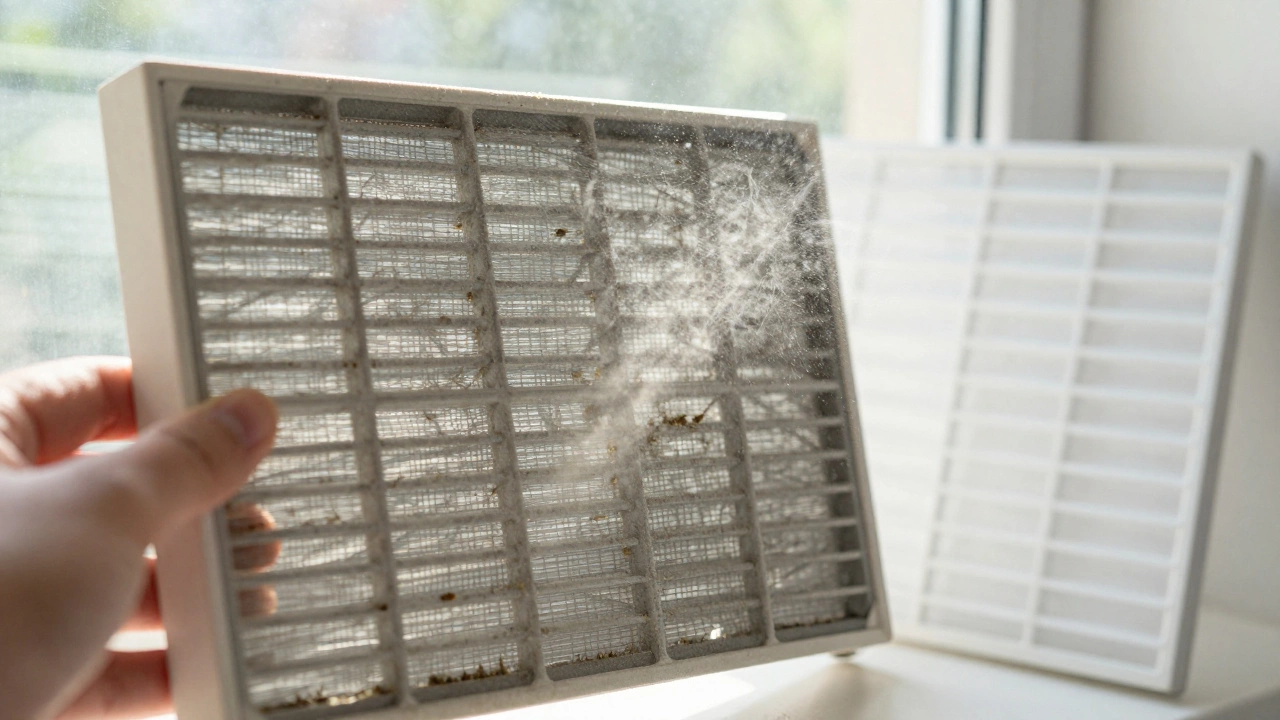
How Do I Know If My AC Needs a Filter?
Learn the clear signs your AC filter is dirty and needs replacing-before it costs you more in energy bills or repairs. Simple checks can keep your system running smoothly and your air clean. -
27 Jan
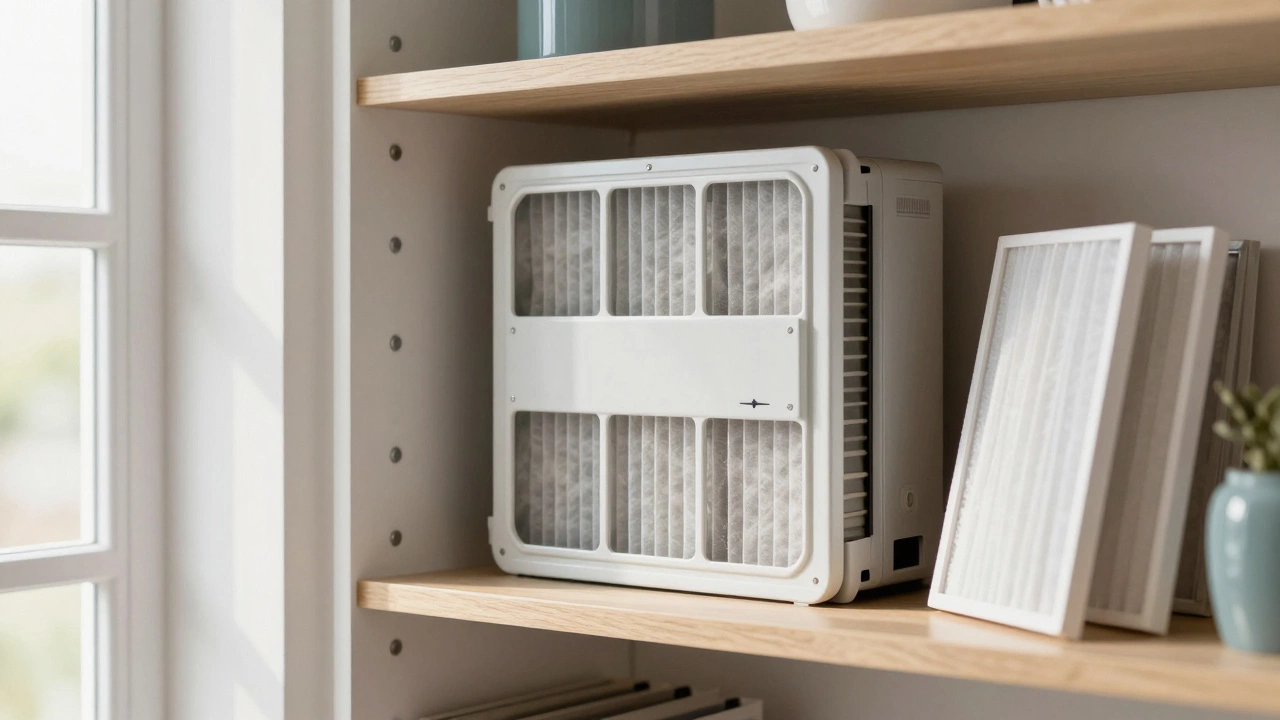
Where Is the Filter on My Outside AC Unit? A Simple Guide for UK Homeowners
Find out where your AC filter really is-inside your home, not outside. Learn how to locate, replace, and choose the right filter to keep your cooling system running efficiently and avoid costly repairs. -
19 Dec
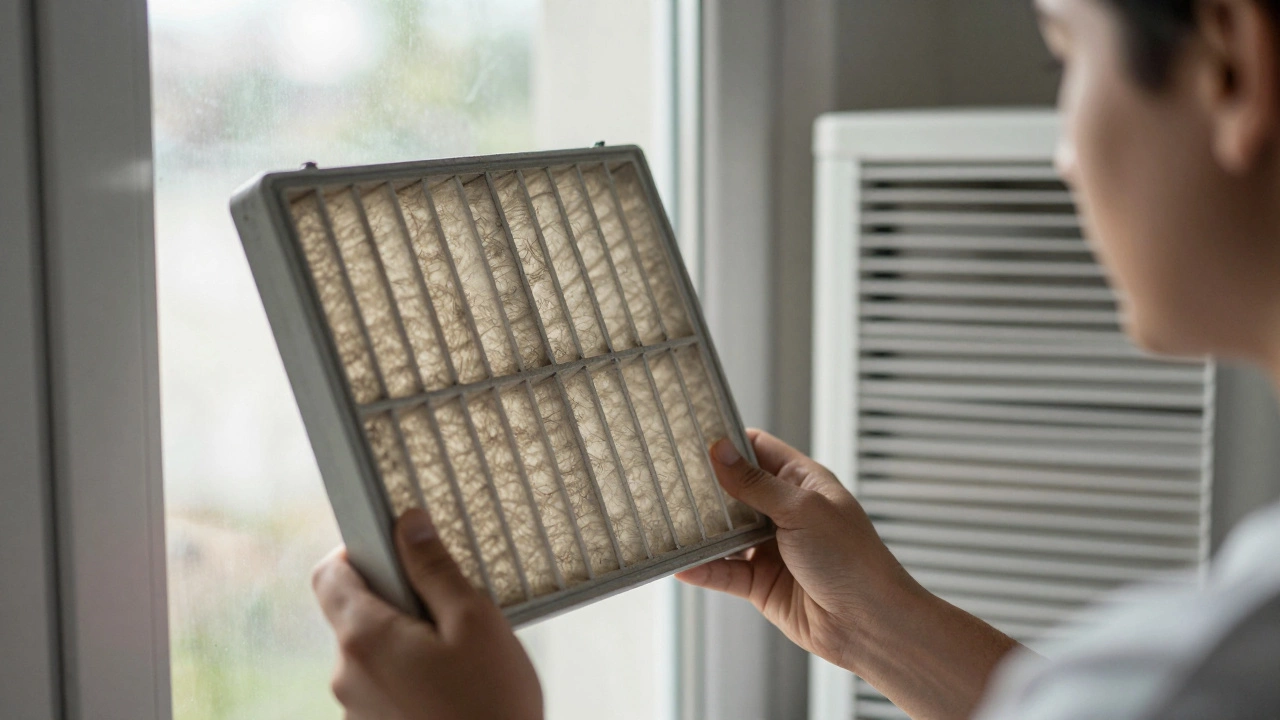
How Often Should You Replace Your Whole House Air Filter?
Replace your whole house air filter every 90 days under normal conditions, but sooner if you have pets, allergies, or recent renovations. Clean filters improve air quality, save energy, and prevent costly HVAC repairs. -
12 Dec
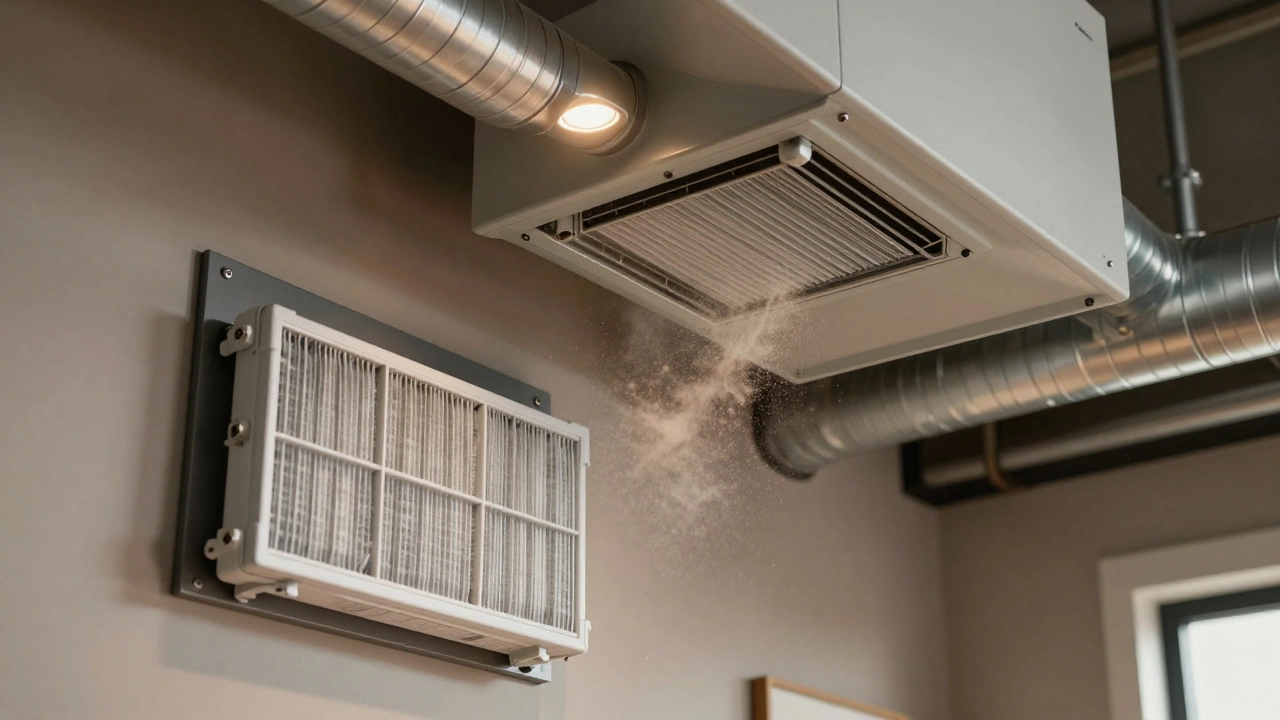
Do I Have Two Air Filters in My House? Here's What You Need to Know
Many homes have two air filters-one near the furnace and another at the air handler. Learn how to find both, why they matter, and how to maintain them to save energy and extend your HVAC system’s life. -
5 Dec
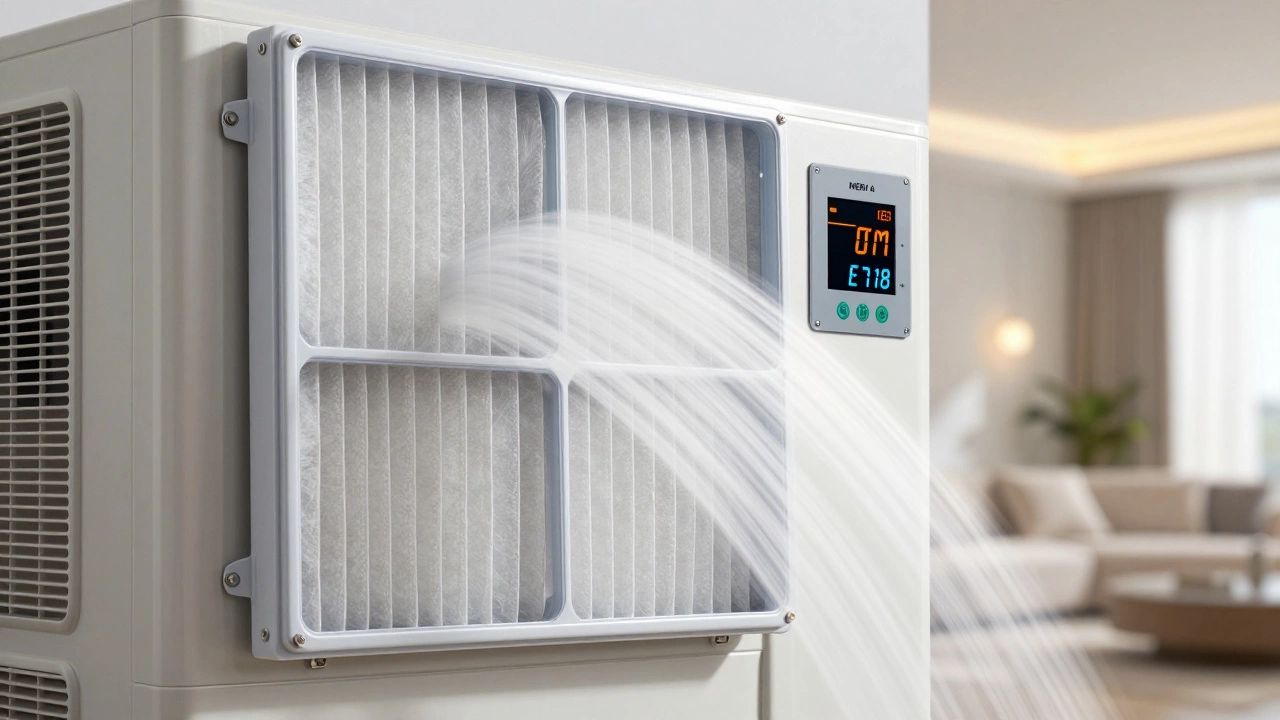
Do Higher MERV Filters Restrict Airflow? Here's What Actually Happens
Higher MERV filters trap more particles but can restrict airflow if your HVAC system isn't designed for them. Learn how to choose the right filter without damaging your system or raising energy bills. -
2 Dec
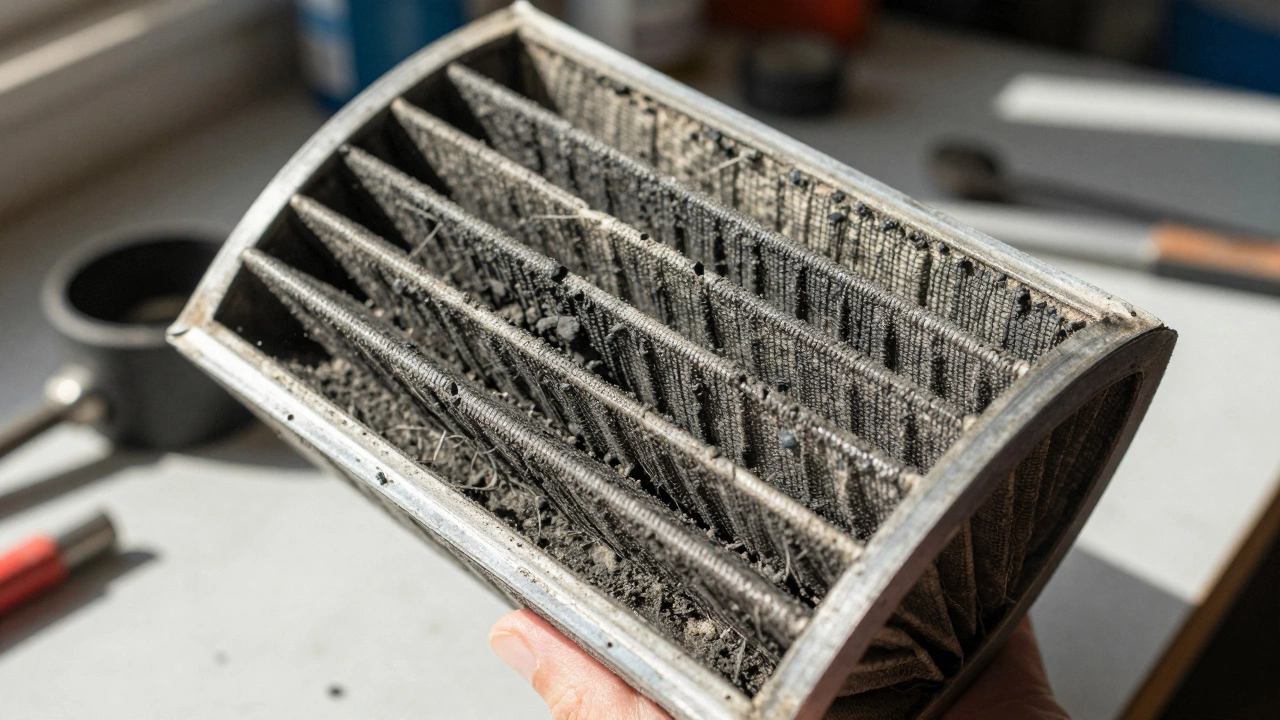
Will I Notice a Difference with a New Air Filter? Real Results You Can Feel
Replacing a dirty air filter can improve engine performance, fuel efficiency, and throttle response. Learn when you'll actually notice the difference and how to tell if yours needs changing. -
16 Nov

What Happens If You Don't Change Your AC Air Filter? Real Consequences You Can't Ignore
Skipping AC air filter changes leads to higher bills, poor air quality, and costly repairs. Learn the real risks and how to avoid them with simple maintenance. -
17 Oct
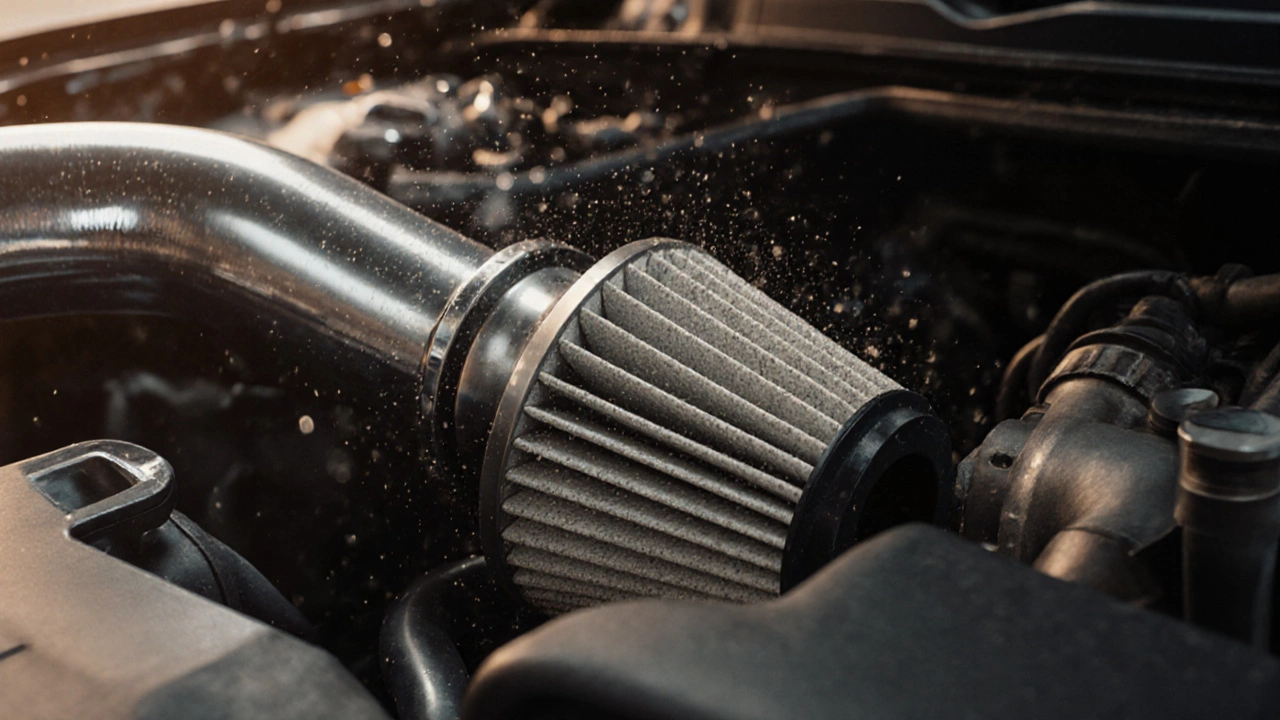
Air Filters: Key Uses and Benefits Explained
Discover why air filters matter, how they protect engines and cabins, and which types suit your vehicle. Learn maintenance tips, replacement schedules, and environmental impacts. -
2 Oct
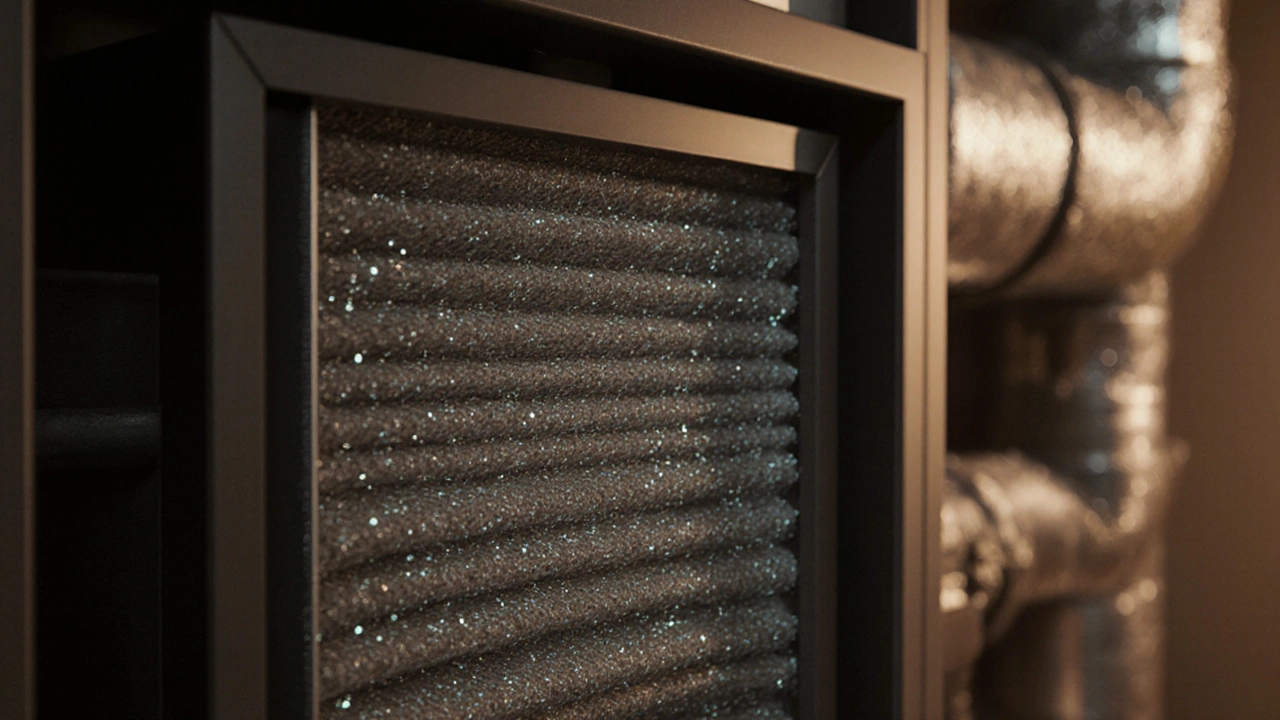
Is a MERV 13 Filter Too Powerful for Home HVAC?
Learn if a MERV 13 filter is suitable for your home HVAC, its health benefits, potential airflow issues, and how to choose the right filter rating. -
4 Aug

Are Washable Air Filters Worth It? Pros, Cons, and Real-World Benefits Explained
Get all the facts on washable air filters, including pros, cons, real-world savings, and maintenance tips. Is it really worth ditching disposables for good? -
27 Jul

Signs Your Air Filter Needs Changing: How to Spot a Dirty Filter in Your Car
Learn how to tell if your air filter needs changing, spot the warning signs, and keep your car running smoothly with simple, real-life tips anyone can use.
- Recent
- Popular