Fuel Pumps: Signs of Failure, Lifespan, and How to Fix Them
When your car sputters on the highway or won’t start after sitting overnight, the fuel pump, the component that pushes gasoline from the tank to the engine. Also known as fuel delivery pump, it’s one of the quietest but most critical parts in your car. Unlike a battery or brake pad, you rarely hear it working—until it stops. That’s when you realize how much you depended on it.
A failing fuel pump doesn’t always scream for help. Sometimes it just whispers—through a faint whine when you turn the key, a hesitation when accelerating, or an engine that stalls at traffic lights. These aren’t random glitches. They’re signals from the fuel system telling you something’s wrong. The engine control module might even throw a code, but many older cars won’t. That’s why listening to your car matters more than checking dash lights. If your car feels like it’s running out of gas even when the tank is half full, the pump is likely struggling to keep up. And if you hear a loud buzzing or whining from the rear of the car when you turn the ignition, that’s not the radio—it’s your pump crying for help.
How long should a fuel pump last? Most modern ones last between 100,000 and 150,000 miles, but many fail sooner if you regularly run the tank low. Gasoline doesn’t just power your engine—it cools and lubricates the pump. Running on empty turns your pump into a dry grinder. That’s why keeping at least a quarter tank helps it last longer. And before you think a battery reset will fix a bad pump—no, it won’t. Resetting the battery might clear a temporary error in the engine control module, but it won’t bring back a worn-out motor or clogged filter. The real fix? Catching the symptoms early, checking the fuel filter, and knowing when it’s time to replace the pump before you get stuck on the side of the road.
Below, you’ll find real-world guides on what a bad fuel pump actually sounds like, how to tell if it’s failing before it leaves you stranded, whether resetting the battery helps (spoiler: it rarely does), and how to stretch its life without spending a fortune. These aren’t theory pieces—they’re what mechanics and everyday drivers have learned the hard way. Whether you’re trying to avoid a tow truck or just want to understand why your car feels off, the articles here give you the facts you need to act fast and save money.
-
3 Feb
-
9 Jan
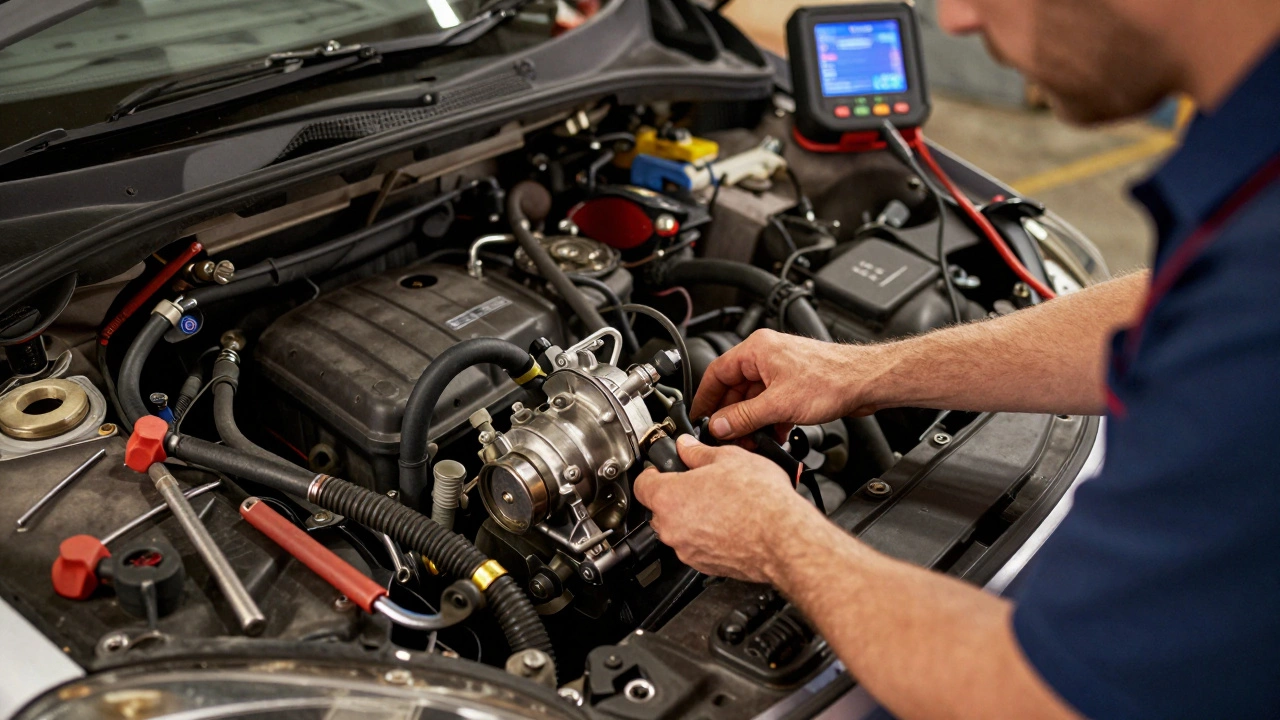
What Is the Average Cost to Fix a Fuel Pump in 2026?
Find out the average cost to fix a fuel pump in the UK in 2026, including parts, labour, and tips to avoid expensive repairs. Learn signs of failure and how to save money. -
25 Oct
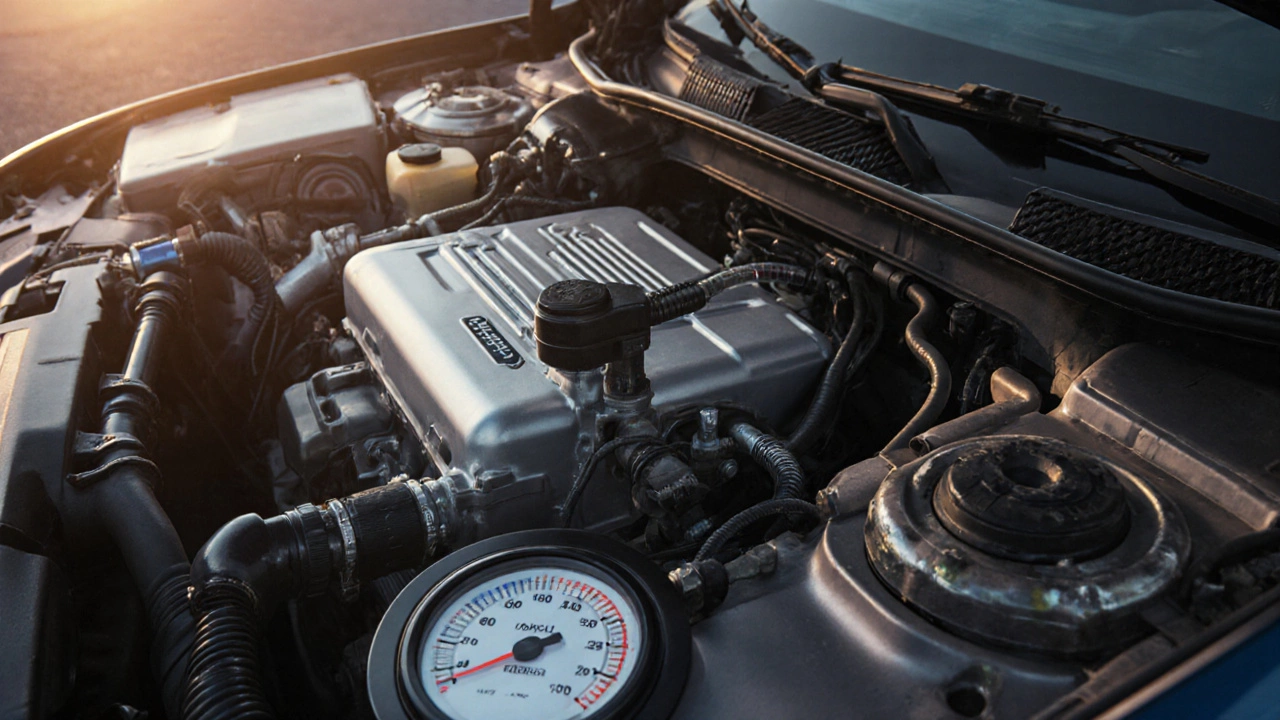
Fuel Pump Failure Symptoms: How to Spot a Bad Pump
Learn how to recognize the key signs of a failing fuel pump, from sputtering engines to whining noises, and discover DIY checks, professional diagnostics, and maintenance tips. -
14 Oct

How to Identify a Failing Fuel Pump Sound - What It Really Sounds Like
Learn to recognize the distinct sounds of a failing fuel pump, understand why they happen, and discover simple DIY checks to prevent costly breakdowns. -
9 Oct
Will Resetting the Battery Reset the Fuel Pump? Explained
Find out if pulling the battery reset also resets the fuel pump, how the ECM interacts, safe reset steps, and troubleshooting tips for fuel‑pump related issues. -
14 Jul

Fuel Pump Life Expectancy: How Long Do Fuel Pumps Last in Modern Cars?
Curious how long your fuel pump will last? Discover real numbers, warning signs, why they fail, and pro tips to make your fuel pump last longer. -
27 May

Failing Fuel Pump Symptoms: What to Watch For
Wondering if your fuel pump is going bad? Spotting early signs can save you from getting stranded or damaging your engine. This article breaks down the classic symptoms of a failing fuel pump and explains why they happen. You’ll get clear examples and practical advice for what to do next. Stay ahead by understanding these warning signs before your car calls it quits. -
16 Feb

What Happens When Your Fuel Pump Starts Failing?
If your car isn't running smoothly, a failing fuel pump might be the culprit. Understanding the signs of a bad pump can prevent a sudden breakdown. From strange noises to difficulty starting your engine, being aware of these symptoms helps maintain your ride. Learn how regular check-ups and prompt action can save you from costly repairs. -
11 Feb

What Helps a Bad Fuel Pump?
Dealing with a bad fuel pump can be frustrating, but there are ways to tackle the problem without breaking the bank. Understanding the signs of a malfunctioning pump, along with simple troubleshooting techniques, can save time and money. From checking fuel filters to using fuel system cleaners, learn how to prolong your pump's lifespan. Dive into practical tips and insights to keep your vehicle running smoothly. Make those frustrating breakdowns a thing of the past with these handy tips.
- Recent
- Popular