Radiator Health Checker
Check the boxes below for any symptoms your vehicle is experiencing. This tool provides an immediate assessment based on common mechanical indicators.
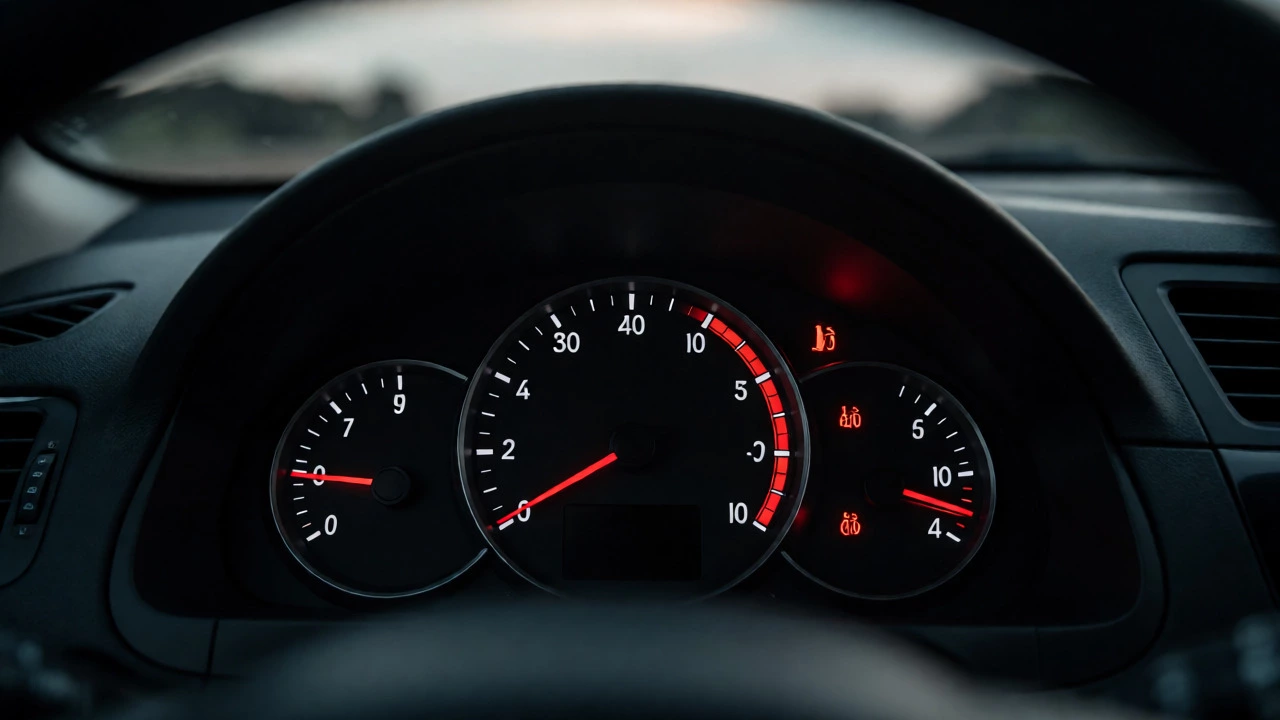
You're driving down the M5, windows down because it's unseasonably warm in October, when suddenly that little red thermometer light pops up on your dashboard. Panic sets in. Is it just a sensor glitch? A loose cap? Or is your radiator finally giving up on you? Most drivers ignore the early warning signs until the engine seizes, costing thousands instead of hundreds. The truth is, your radiator doesn't fail overnight; it begs for help long before it quits.
| Symptom | Likely Cause | Action Required |
|---|---|---|
| Temperature gauge climbing | Clog or pump failure | Check coolant level immediately |
| Green/orange puddles under car | Physical crack or hose leak | Pressure test required |
| Heater blowing cold air | Air lock or low coolant | Bleed system or top up |
| Rusty/brown coolant | Internal corrosion | Flush or replace radiator |
| Visible bent fins | Debris damage | Clean fins; replace if leaking |
The Dashboard Doesn't Lie (But It Can Be Misleading)
Your temperature gauge is the first line of defense, but it’s not always accurate. If the needle creeps past the midpoint while idling in traffic but drops back down when you speed up, you might have a failing water pump or a clogged radiator rather than a broken thermostat. Here’s the trick: watch how quickly the heat dissipates. A healthy system cools efficiently as airflow increases. If the heat stays stubbornly high even at 60 mph, your radiator isn’t transferring heat away from the coolant effectively. This usually means internal blockage-mineral deposits or rust sludge blocking the tiny tubes inside the core.
Inspecting the Physical Condition
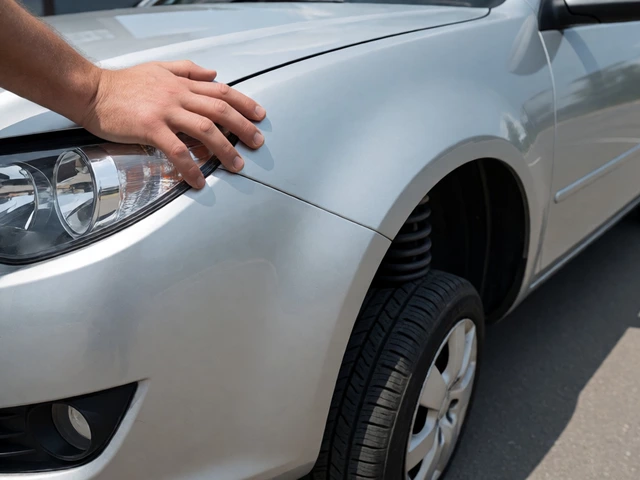
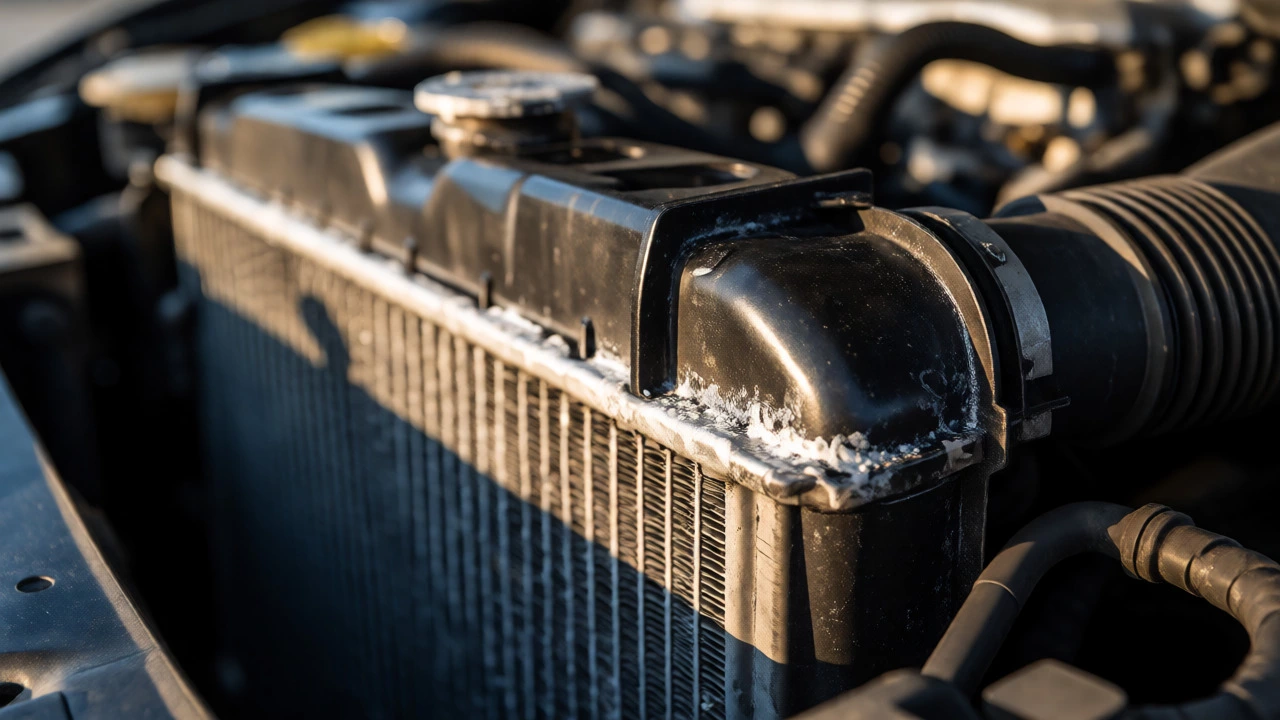
Pop the hood when the engine is cold. Never open a hot radiator cap; you’ll get scalded by pressurized steam. Look at the plastic end tanks where the hoses connect. These are made of nylon and degrade over time due to heat cycles. If you see white crusty residue around the seams, that’s dried coolant. It means there’s a slow leak. Coolant evaporates slowly, leaving behind these tell-tale stains. Also, check the metal fins on the front of the unit. Are they flattened by a shopping trolley or road debris? While bent fins reduce efficiency, they don’t necessarily mean replacement unless the core itself is cracked. Use a garden hose (low pressure!) to gently straighten them with a fin comb if needed.
The Coolant Color Test
Fresh coolant comes in vibrant colors-pink, green, orange, or blue-depending on the brand. Open your expansion tank (not the radiator itself if possible) and look at the fluid. If it looks like muddy brown tea or has visible chunks floating in it, your cooling system is corroding from the inside out. This often happens if someone topped up with plain tap water instead of distilled water and antifreeze mix. Tap water contains minerals that react with aluminum radiators, creating scale. Once this scale builds up, no amount of flushing will fix a severely blocked core. You’re looking at a replacement job.
Leak Detection Without a Mechanic
You don’t need expensive equipment to find a major leak. Park your car on clean cardboard or newspaper overnight. In the morning, look for colored spots. Green spots near the front bumper suggest a radiator leak. Red or pink spots might indicate a heater core issue inside the cabin. Another classic sign is the sweet smell of maple syrup inside the car after driving. That’s ethylene glycol (coolant) burning off the exhaust manifold or leaking into the cabin via the heater matrix. If you smell it, check your carpets for dampness. A wet passenger-side footwell is a dead giveaway for a leaking heater core, which is part of the same closed loop as your radiator.
When Repair Isn't Worth It
Can you patch a radiator? Sure, with epoxy kits or stop-leak additives. But these are band-aids, not cures. Stop-leak products can actually clog your narrow radiator passages further, leading to worse overheating later. If your car is older than 10 years and the radiator shows signs of widespread corrosion or multiple leaks, replacing the unit is cheaper than repeated repairs. Modern radiators are affordable, especially aftermarket units from reputable brands like Denso or Valeo. Labor costs vary, but DIY replacement takes about 2-3 hours for most models if you’re handy with basic tools.

Pro Tips for Longevity
- Use Distilled Water: Always mix coolant with distilled water, never tap water, to prevent mineral buildup.
- Replace Hoses Too: If you’re changing the radiator, swap the upper and lower radiator hoses. They’ve endured the same heat cycles and are likely brittle.
- Check the Cap: A faulty radiator cap can cause pressure loss, leading to boiling and overflow. It’s a £10 part that saves headaches.
- Keep it Clean: Bugs and leaves clog the external fins. Rinse them out every few months with a gentle stream of water.
FAQs About Radiator Failure
How much does it cost to replace a car radiator in the UK?
Parts typically range from £40 to £150 depending on the vehicle model. Labour adds another £80-£150. Total cost usually falls between £120 and £300 for most standard cars.
Can I drive with a bad radiator?
For short distances, yes, but monitor the temperature gauge closely. If the needle enters the red zone, pull over immediately. Continuing to drive risks warping the cylinder head or blowing a head gasket, which turns a £200 repair into a £2,000 nightmare.
Why is my radiator leaking only when the engine is cold?
This is counter-intuitive, but plastic tanks contract when cold, potentially opening micro-cracks that seal shut when hot. Conversely, some seals shrink when cold, causing leaks that disappear once components expand with heat. Pressure testing is the only way to confirm the source.
Do I need to flush the whole system when replacing the radiator?
Yes. Old coolant contains contaminants that can contaminate the new radiator. Always perform a complete system flush with distilled water before filling with fresh coolant mixture to ensure maximum lifespan.
Is stop-leak coolant additive safe?
It’s risky. While it can seal small pinholes, it often clogs the narrow passages in the radiator core and the heater matrix. Mechanics generally advise against it for modern engines, preferring physical repairs or replacements.