Windshield Wiper Risk Calculator
Configure Scenario
Enter your details above
This tool analyzes how long you can safely leave your wipers up without causing irreversible damage to the rubber or metal frame.
You’ve probably seen it happen before. A heavy snowstorm is rolling in, or maybe you’re about to head out into a hail warning. You grab your keys, but first, you flip those windshield wipers essential automotive components designed to clear rain, snow, and debris from the windshield to ensure driver visibility up against the glass. It feels like the responsible thing to do. But then you leave for work, run errands, or just forget they are up until three days later when you finally remember to bring them down. Now you’re wondering: did you break something? Is it bad to put your windshield wipers up?
The short answer is yes, but not for the reason most people think. It’s not that the wipers will snap off if you leave them up for a day or two. The real danger lies in the slow, silent destruction of the rubber blade itself. Leaving wipers parked in the upright position exposes the delicate rubber edge to direct sunlight, extreme temperature fluctuations, and physical stress on the metal frame. Over time, this practice accelerates rubber degradation the process by which elastomeric materials lose their elasticity and structural integrity due to environmental factors like UV radiation and ozone exposure, leading to streaking, chattering, and eventual failure to clear your view.
The UV Factor: Why Sunlight is Your Wiper's Worst Enemy
When you park your wipers normally, they rest flat against the curved surface of the windshield. This position actually offers a slight protective benefit. The glass acts as a partial shield, and more importantly, the rubber edge is often pressed slightly into the curve, keeping it stable. When you flip them up, however, you are exposing the entire length of the rubber blade directly to the elements, specifically ultraviolet (UV) radiation from the sun.
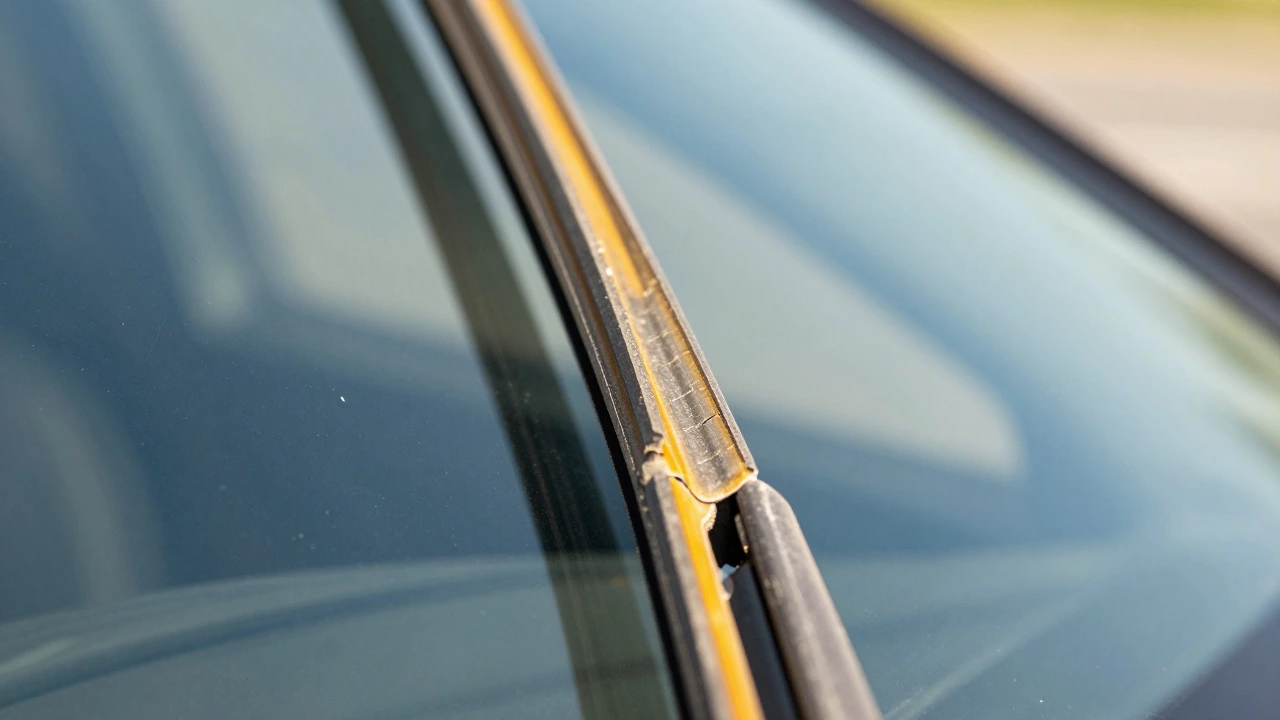
Rubber is an organic polymer. Like skin, it ages. But unlike skin, car wiper rubber doesn't have sunscreen. Prolonged exposure to UV rays breaks down the molecular bonds in the rubber compound. This process, known as photo-oxidation, causes the rubber to become brittle and hard. If you leave your wipers up for several days during summer months, you might notice small cracks forming along the edge of the blade. These micro-cracks are fatal to performance. They prevent the rubber from making uniform contact with the glass, resulting in those annoying streaks and smears that obscure your vision during a rain shower.
| Factor | Effect on Normal Position | Effect on Parked Up Position |
|---|---|---|
| UV Radiation | Moderate exposure; glass provides slight shielding | Direct, unfiltered exposure; accelerates cracking |
| Temperature Swings | Even expansion/contraction | Uneven stress on metal frame and rubber bond |
| Wind Pressure | Aerodynamic stability; low risk | High leverage force; risk of snapping arm or bending frame |
| Snow Accumulation | Blades freeze to glass (common issue) | Blades remain free; easier to start engine |
The Mechanical Stress: More Than Just Rubber
While the rubber takes the heat from the sun, the metal components take the hit from physics. Most modern vehicles use a counterbalance system in the wiper linkage to keep the blades pressed evenly against the glass. When you lift the wipers manually, you are overriding this mechanism. You are forcing the wiper arm the metal lever that connects the wiper motor linkage to the wiper blade assembly to hold a static position against gravity and tension springs.
If you leave them up for a short period-say, overnight during a blizzard-the tension is usually manageable. However, if you forget and leave them up for weeks, the constant tension can cause the metal joints to wear prematurely. In extreme cases, particularly with older vehicles or cheaper aftermarket arms, the metal can fatigue. This leads to a loss of pressure. When you finally bring the wipers down, you might find they don’t press firmly against the glass anymore. They flutter or chatter because the spring tension has been compromised by prolonged static stress.
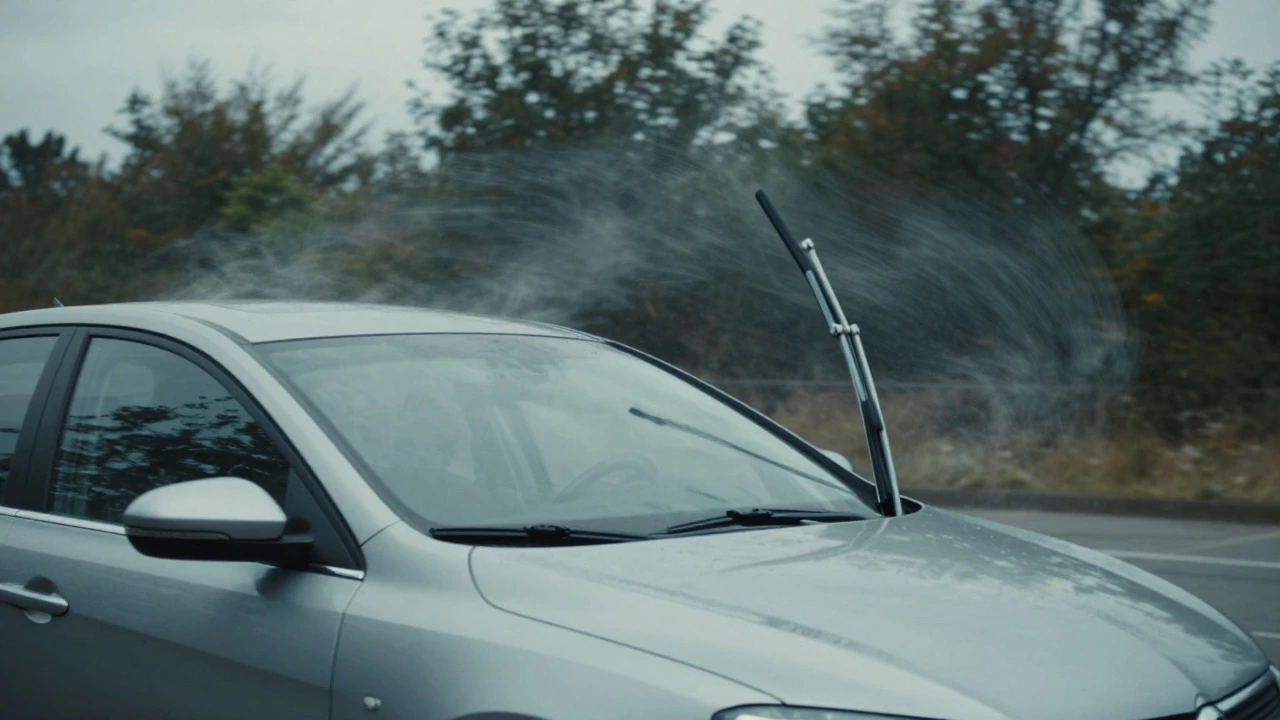
There is also the risk of wind damage. Have you ever left your wipers up and come back to find one bent at a forty-five-degree angle? That’s wind doing its job. A gust of wind catches the broad surface area of the raised blade. Because the wiper arm acts as a long lever, even a moderate breeze can exert enough torque to bend the aluminum arm or snap the plastic pivot point. Once that arm is bent, it requires professional repair or replacement, which is far more expensive than simply buying new blades.
When Parking Wipers Up Actually Makes Sense
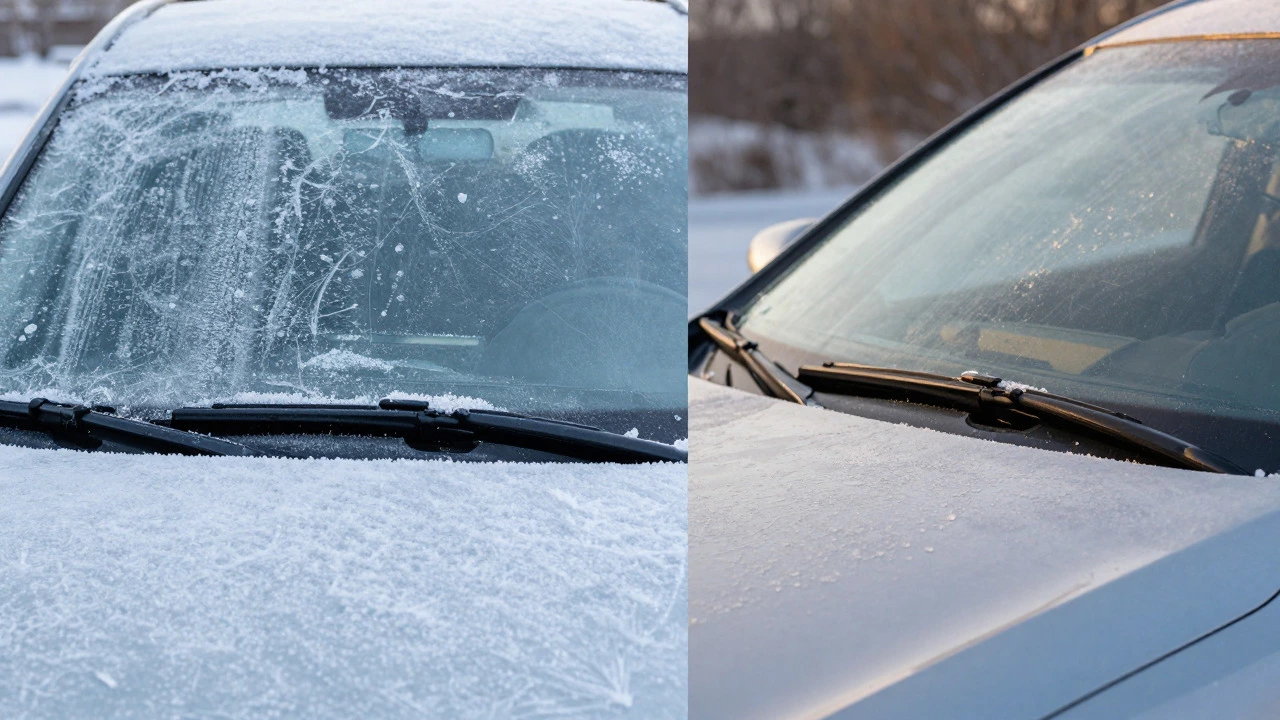
So, if it’s bad for the rubber and the mechanics, why do we do it? There are specific scenarios where the benefits outweigh the risks. The primary justification is freezing weather. In regions with heavy snowfall or ice storms, leaving wipers down can be disastrous. As moisture freezes between the rubber and the glass, the blades become cemented in place. When you try to turn on the ignition, the wiper motor struggles against the frozen resistance. This can burn out the wiper motor an electric motor that converts electrical energy into mechanical motion to drive the wiper linkage, strip the gears in the transmission, or even blow a fuse. Replacing a wiper motor is a labor-intensive job that costs hundreds of dollars.
In these cases, parking the wipers up is a strategic sacrifice. You accept the minor risk of UV exposure or wind damage to avoid a catastrophic mechanical failure. The key here is timing. If you know a storm is coming, park them up. But as soon as the storm passes and temperatures rise above freezing, bring them down immediately. Do not treat the upright position as a permanent storage solution.
Best Practices for Wiper Maintenance
To maximize the life of your wiper blades and minimize the need for frequent replacements, follow these practical guidelines:
- Limit Uptime: Never leave wipers parked up for more than 24 hours unless absolutely necessary due to imminent freezing conditions.
- Clean Regularly: Dirt, tree sap, and bug splatter act as abrasives. Wipe the rubber edge with a damp cloth and mild soap every few months. This removes contaminants that accelerate wear.
- Use Garage Storage: If possible, park your car in a garage. This shields the wipers from both UV radiation and wind, negating the main downsides of parking them up or down.
- Inspect for Cracks: Every six months, pull the blade away from the glass and inspect the rubber edge. Look for splits, tears, or hardening. Replace blades proactively rather than waiting for streaks to appear.
- Apply Silicone Spray: Some experts recommend applying a thin layer of silicone spray to the rubber edge after cleaning. This can help maintain flexibility and repel water, though it should be done sparingly to avoid transferring grease to the glass.
The Verdict: Balance Risk and Reward
Is it bad to put your windshield wipers up? Yes, if you make it a habit. No, if you use it as a temporary emergency measure against ice. The rubber degrades faster under direct sun, and the metal arms face unnecessary stress from wind and tension. But compared to the cost of a burned-out wiper motor or a shattered windshield from a rock chip while trying to scrape ice, a few days of elevated wipers is a small price to pay.
The best approach is mindfulness. Treat the upright position as a tool, not a default state. Use it when the weather demands it, and return the wipers to their resting place as soon as the threat of freezing subsides. By understanding how environmental factors interact with your vehicle’s components, you can make informed decisions that keep your visibility clear and your wallet intact.
How long can I leave my windshield wipers up without damaging them?
Ideally, no longer than 24 hours. While the metal arm might survive weeks, the rubber blade begins to degrade significantly after a few days of direct UV exposure. For mechanical safety, limit uptime to the duration of the freezing event plus a buffer of a few hours.
Will leaving wipers up cause them to fall off?
It is unlikely they will fall off completely unless there is high-speed wind or the retaining clip is already loose. However, strong winds can easily bend the wiper arm or snap the plastic joint connecting the blade to the arm, rendering the assembly useless.
Why do some cars have a 'park up' feature?
Some luxury and European vehicles offer a service mode that parks the wipers vertically. This is primarily designed for easy access to replace blades or clean the windshield without straining your neck. It is not intended for long-term storage against weather events.
Does parking wipers up protect the windshield?
Not really. In fact, it might expose the lower part of the windshield to more debris if the wipers are flapping in the wind. The main protection offered is to the wiper motor and linkage by preventing them from being forced against frozen glass.
Can I use WD-40 on my wiper blades?
Generally, no. Standard WD-40 is a solvent and lubricant that can degrade rubber over time. If you need to condition the rubber, use a dedicated silicone-based wiper conditioner or a small amount of petroleum jelly applied carefully to the edge only.