Brake Pad Thickness: What You Need to Know Before It's Too Late
When your brake pad thickness, the measurable amount of friction material left on a brake pad before it wears down to the metal backing. Also known as brake lining depth, it’s one of the most overlooked safety factors in your car. Most drivers don’t check it until they hear screeching—or worse, feel the pedal go soft. But by then, you might already be damaging your rotors, increasing stopping distance, or risking a complete brake failure.
Brake pads start at around 10 to 12 millimeters thick. Once they drop below 3 millimeters, you’re in danger zone. At 2 mm or less, the metal backing is grinding against the rotor. That’s not just expensive—it’s dangerous. A brake pad wear indicator, a small metal tab built into the pad that makes noise when thickness gets too low is designed to warn you, but many people ignore it. And if your car doesn’t have one? You’re flying blind. Regular checks take two minutes and can save you hundreds in rotor replacement. Even better, catching thin pads early means you can replace just the pads—not the whole brake system.
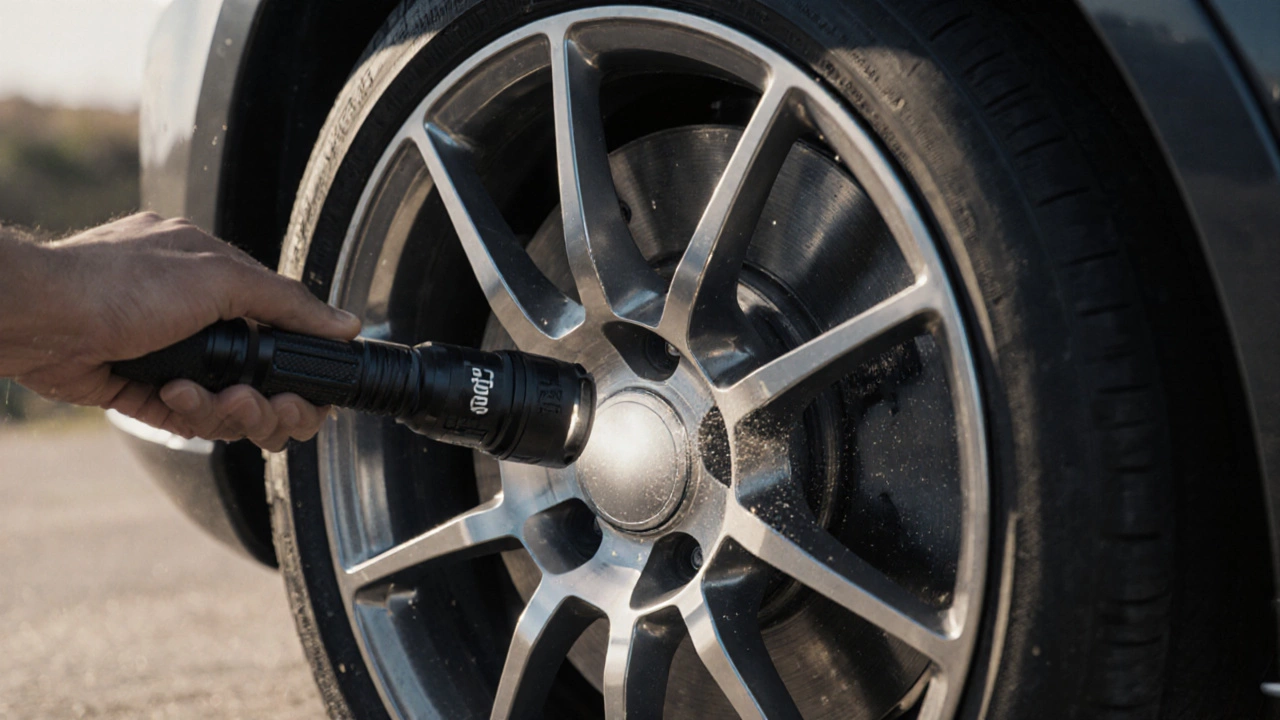
Brake pad thickness isn’t just about age or mileage. It’s about how you drive. City drivers with lots of stop-and-go wear pads faster than highway cruisers. Heavy loads, towing, or aggressive braking? That eats through material quicker. A set of pads on a Honda Civic might last 50,000 miles, but on a loaded SUV hauling trailers, they could be gone in 25,000. That’s why guessing isn’t enough. You need to see it. Look through the wheel spokes. If the pad looks like a thin sliver—less than the width of a pencil—it’s time to act. Don’t wait for the noise. Don’t wait for the warning light. Check it yourself.
And don’t confuse brake pad thickness with brake fluid level or rotor condition. They’re related, but separate issues. Thin pads can cause warped rotors. Worn rotors can make new pads wear unevenly. But the root cause? Often, it’s just ignoring the thickness. Replacing pads at 3 mm is a smart move. Waiting until 1 mm? That’s gambling with your safety—and your wallet.
Below, you’ll find real-world guides on brake pad costs, signs your pads are worn, and how to spot trouble before it turns into a repair bill you didn’t see coming. Whether you drive a compact sedan or a work truck, knowing your brake pad thickness isn’t optional. It’s the difference between stopping safely and stopping too late.
-
28 Oct
- Recent
- Popular