Car Won't Start: Common Causes and How to Fix Them
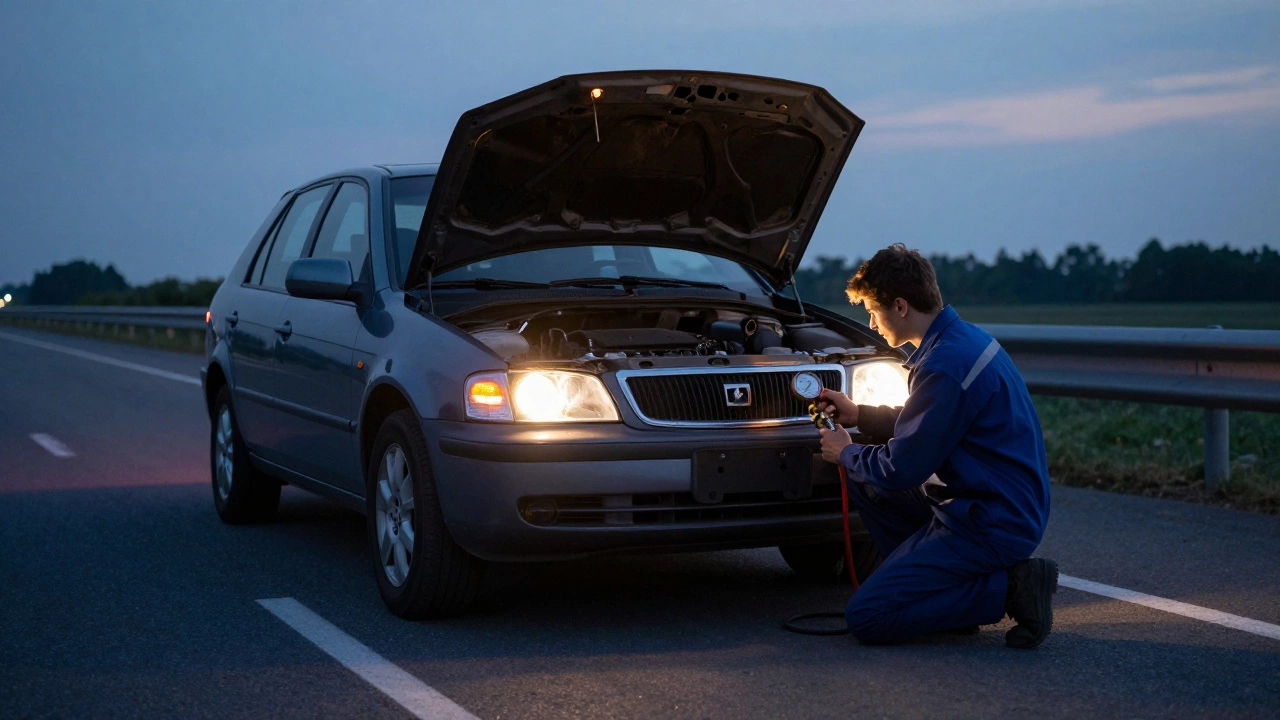
When your car won't start, a condition where the engine fails to crank or ignite despite turning the key or pressing the start button. Also known as no-start condition, it’s one of the most frustrating problems drivers face—especially when you’re late or far from home. This isn’t a mystery. It’s usually one of five simple, fixable issues.
The most common culprit is a dead battery, a power source that loses charge over time due to age, cold weather, or electrical drains like leaving lights on. Also known as battery failure, it often shows up as a clicking sound when you turn the key, or nothing at all. Check the terminals for corrosion. Try jump-starting it. If it starts but dies again in minutes, the battery’s done. Most last 3–5 years. No magic tricks here—just age and use.
Then there’s the starter motor, the electric motor that physically spins the engine to begin combustion. Also known as starter solenoid, it’s the loud clunk you hear before silence—or the whirring noise that never turns the engine over. If you hear a single click and nothing else, it’s often the starter. If you hear rapid clicking, it’s the battery. Confusing? You’re not alone. But both are easy to test with a multimeter or a quick tap with a wrench (yes, really).
Now, what if the engine turns over but never catches? That’s where the fuel pump, a component that pushes gasoline from the tank to the engine. Also known as fuel delivery system, it’s silent until it fails. A bad fuel pump might make a high-pitched whine when you turn the key to "on"—before you even try to start. If you smell gas but the engine won’t fire, that’s another clue. No fuel, no combustion. Simple as that.
Don’t forget the ignition system, the chain of parts that creates the spark to ignite fuel in the cylinders. Also known as spark system, it includes spark plugs, ignition coils, and wiring. A worn spark plug or cracked coil can kill ignition even if everything else works. You might not hear anything wrong, but the engine just won’t catch. This is where knowing how long your spark plugs last matters—most last 30,000 to 100,000 miles, depending on type.
These four things—battery, starter, fuel pump, ignition—are the big four. They cover 90% of cases. The rest? Faulty sensors, bad fuses, or security system glitches. But those are rarer. And usually, they come with warning lights.
You don’t need a garage to start diagnosing this. Listen. Smell. Look. Test the lights. Try the horn. If they work, the battery’s probably okay. If the engine cranks but won’t start, the problem’s fuel or spark. If nothing happens at all, it’s battery or starter.
Below, you’ll find real stories from drivers who faced exactly this. Not theory. Not guesswork. Actual fixes they tried, what worked, what didn’t, and how much it cost. Whether you’re dealing with a 10-year-old sedan or a newer SUV, these posts give you the exact steps to take next.
-
3 Feb
-
25 Oct
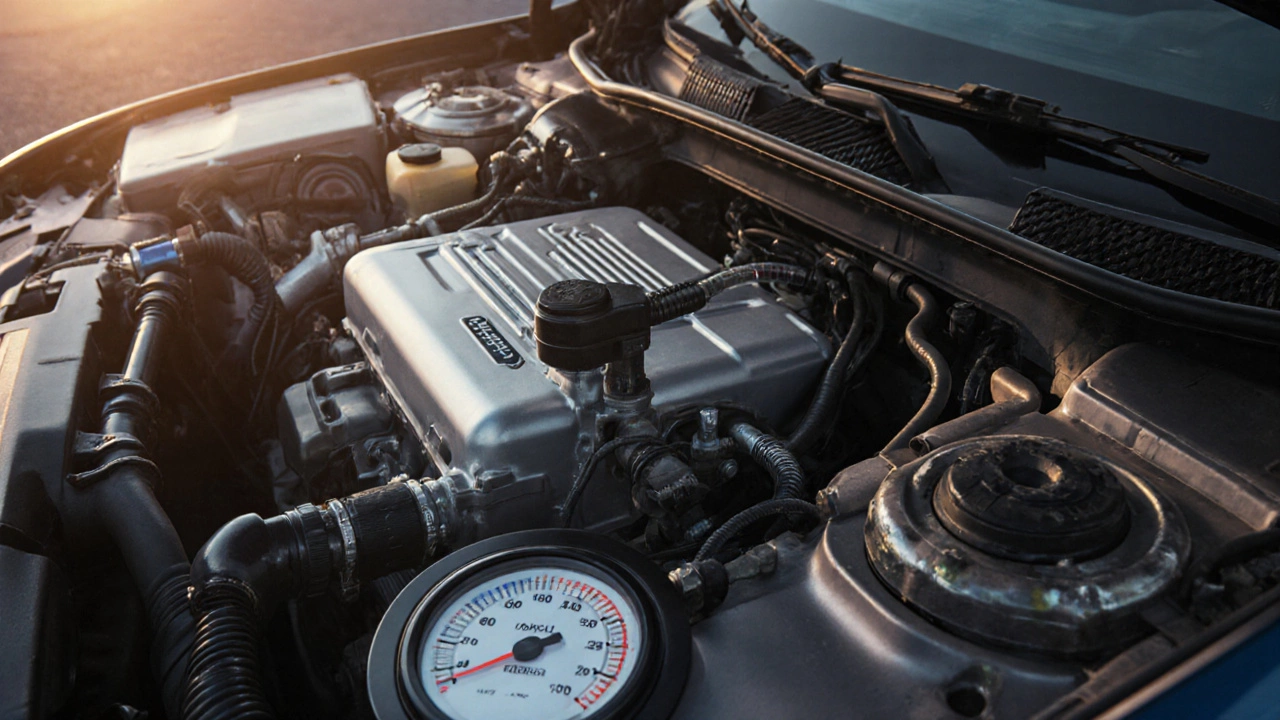
Fuel Pump Failure Symptoms: How to Spot a Bad Pump
Learn how to recognize the key signs of a failing fuel pump, from sputtering engines to whining noises, and discover DIY checks, professional diagnostics, and maintenance tips. -
27 May
Failing Fuel Pump Symptoms: What to Watch For
Wondering if your fuel pump is going bad? Spotting early signs can save you from getting stranded or damaging your engine. This article breaks down the classic symptoms of a failing fuel pump and explains why they happen. You’ll get clear examples and practical advice for what to do next. Stay ahead by understanding these warning signs before your car calls it quits.
- Recent
- Popular