Fuel Pump Failure: Signs, Causes, and What to Do Next
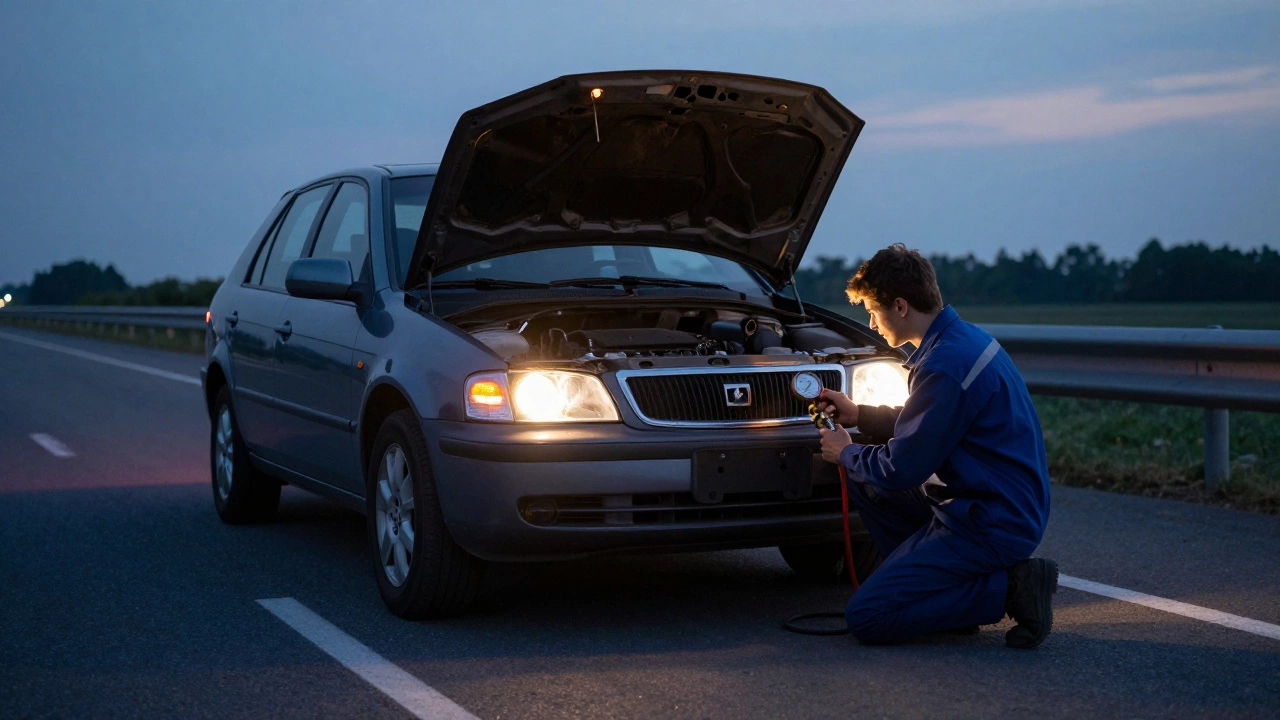
When your fuel pump failure, a breakdown in the system that delivers gasoline from the tank to the engine. Also known as fuel delivery failure, it’s one of the most sudden and frustrating issues you can face—especially if your car just dies on the highway with no warning. Unlike a flat tire or a dead battery, a failing fuel pump doesn’t always give you a clear signal until it’s too late. But it does leave clues—if you know what to listen for and look for.
The fuel pump, the electric component that pushes fuel under pressure from the tank to the engine doesn’t last forever. Most last between 100,000 and 150,000 miles, but driving habits, fuel quality, and debris in the tank can shorten that life. A worn-out pump doesn’t always fail completely at once. It starts by struggling—sputtering at high speeds, hesitating when you step on the gas, or making a high-pitched whine you didn’t hear before. These aren’t just annoying sounds; they’re early warnings. The low fuel pressure, when the pump can’t push enough fuel to keep the engine running smoothly is what causes the engine to misfire or stall, especially under load. And if you ignore it, you’ll eventually end up with a car won’t start, a condition where the engine cranks but won’t ignite because no fuel is reaching the injectors.
It’s not just about age. Running your tank low often is a silent killer. The fuel pump relies on gasoline to stay cool and lubricated. When you’re down to a quarter tank—or worse, running on fumes—the pump overheats and wears out faster. Dirty fuel filters also force the pump to work harder, leading to premature failure. And if you’ve ever filled up with cheap or contaminated gas? That’s another silent contributor. You might not notice it right away, but over time, gunk builds up and clogs the pump’s internal screen.
Some people mistake fuel pump problems for bad spark plugs, clogged injectors, or even a faulty sensor. That’s why it’s critical to listen closely. A whining noise from the back of the car when you turn the key—not the starter, but a continuous hum—is a classic sign. So is the engine dying at highway speeds and then restarting after sitting for a few minutes. Those aren’t random glitches. They’re symptoms of a pump losing its ability to keep up.
What you’ll find in the posts below isn’t just theory. It’s real-world advice from people who’ve been there. You’ll learn how to tell the difference between a bad fuel pump and something else, what the noise actually sounds like, how to do a quick DIY check without tools, and when to call a pro. We’ll also cover how to avoid future failures—like keeping your tank above half full, using quality fuel, and checking your filter regularly. No fluff. No guesswork. Just what you need to know before your car leaves you stranded.
-
3 Feb
-
27 May

Failing Fuel Pump Symptoms: What to Watch For
Wondering if your fuel pump is going bad? Spotting early signs can save you from getting stranded or damaging your engine. This article breaks down the classic symptoms of a failing fuel pump and explains why they happen. You’ll get clear examples and practical advice for what to do next. Stay ahead by understanding these warning signs before your car calls it quits. -
15 Jan

Understanding and Preventing Fuel Pump Failures
Fuel pump failure can leave drivers in a sticky situation, causing their cars to sputter and stall. Understanding the common causes of these issues is crucial for preventative maintenance and avoids unexpected breakdowns. From clogs and contamination to overheating and aging, identifying symptoms early can save time and costs. This article explores typical fuel pump failures, tips for prevention, and when to consult a professional mechanic.
- Recent
- Popular