Motor Oil: What It Does, How It Keeps Your Engine Running, and What to Watch For
When you think about your car’s health, motor oil, a lubricant that reduces friction between moving engine parts and helps cool critical components. Also known as engine oil, it’s the lifeblood of your engine—no matter if you drive a compact hatchback or a heavy-duty pickup. Without it, metal touches metal, heat builds up fast, and your engine can seize in minutes. It’s not just about changing it every 5,000 miles. It’s about understanding what’s inside that dark liquid and why it turns thick, gritty, or milky.
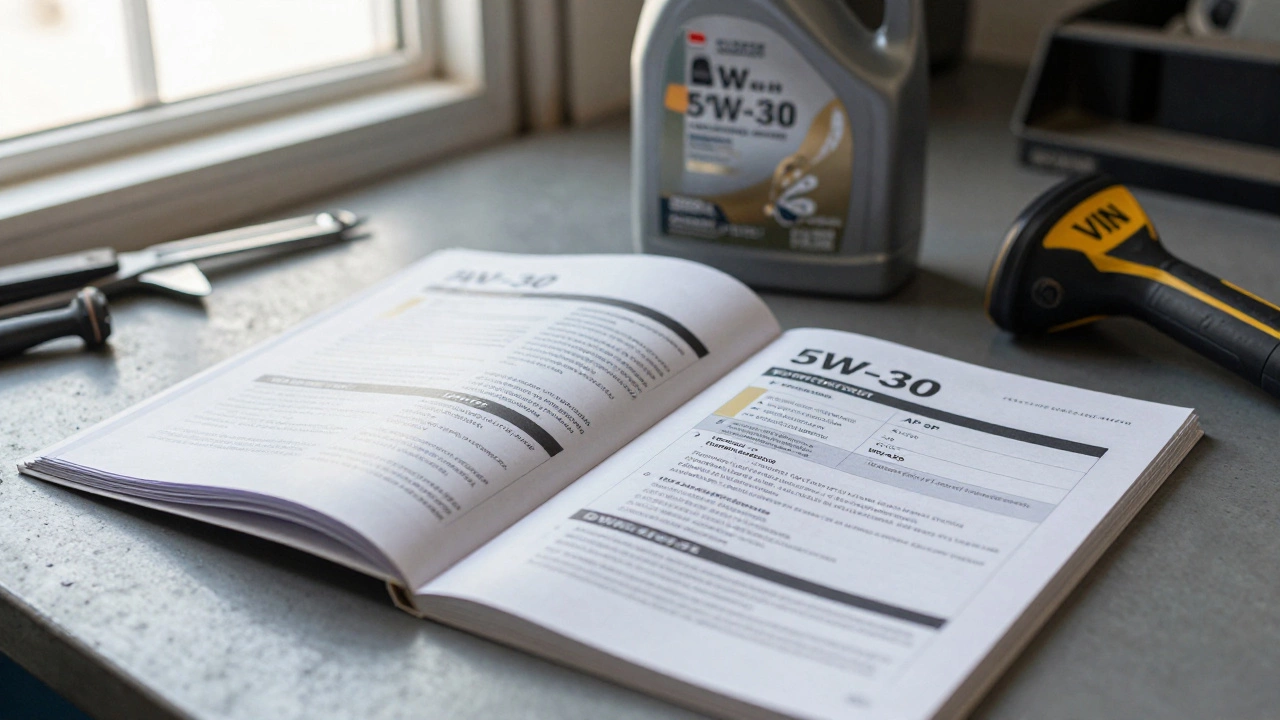
Motor oil doesn’t work alone. It works with oil filters, devices that trap dirt, metal shavings, and combustion byproducts before they circulate back into the engine. A dirty filter turns good oil bad, even if you just changed it. And then there’s oil viscosity, the measure of how thick or thin the oil flows at different temperatures. Using the wrong viscosity? You’re not saving money—you’re risking engine wear. Your car’s manual doesn’t pick 5W-30 or 10W-40 randomly. It’s based on how your engine was built, the climate you drive in, and how hard you push it.
Dirty engine oil doesn’t just look bad—it acts bad. You’ll know it’s failing if your engine sounds louder, your fuel economy drops, or the check engine light comes on with no clear reason. Some drivers ignore the oil change light until the engine starts knocking. Others wait until they see smoke. Both are too late. The signs show up long before that: dark, sludgy oil on the dipstick, a burning smell under the hood, or oil spots under your parked car. These aren’t myths. They’re real, measurable symptoms tied directly to oil breakdown.
What you find in the posts below isn’t theory. It’s what real drivers in India are seeing right now. You’ll read about how to spot dirty engine oil before it kills your engine, why some oil changes cost way more than they should, and what happens when you skip them for months. There’s no fluff—just what works, what doesn’t, and what you can check yourself before walking into a garage with no idea what’s wrong.
-
23 Dec
-
28 Nov
What Is Engine Oil Used For? The Simple Truth Behind Your Car’s Lifeline
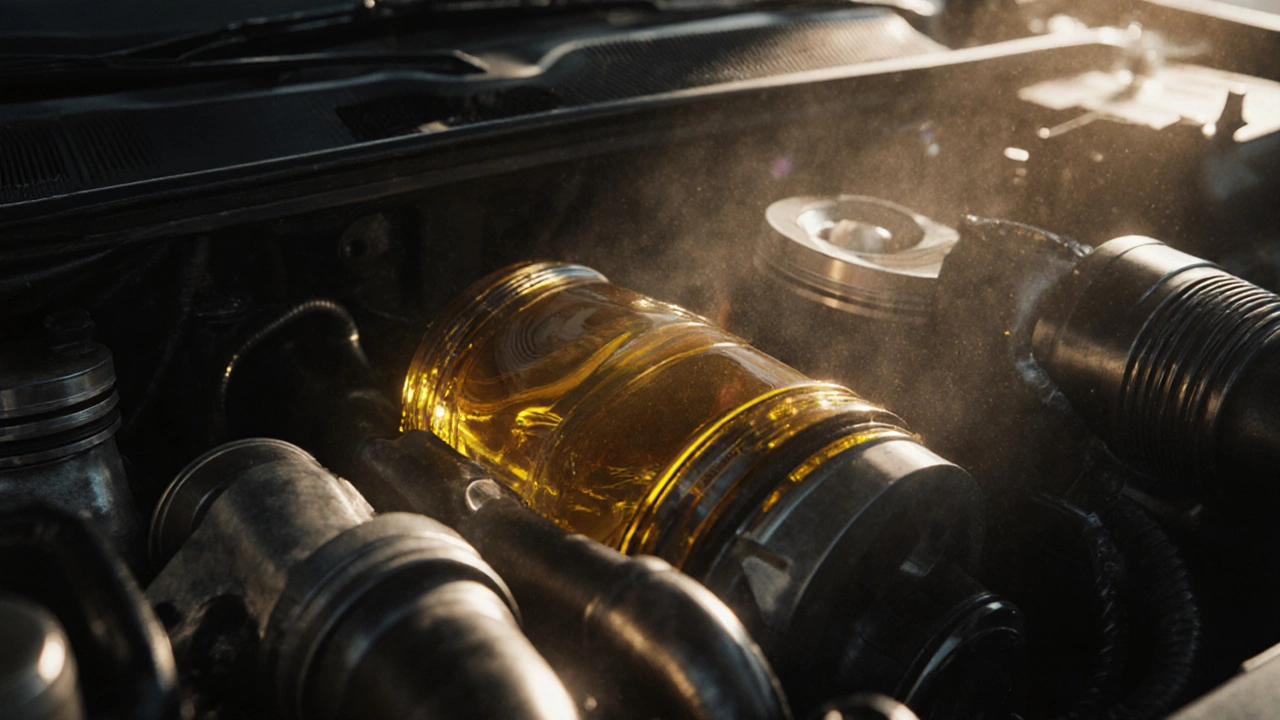
Engine oil lubricates, cools, cleans, and protects your engine. Without it, your car would fail quickly. Learn what it really does and why changing it on time saves thousands.
- Recent
- Popular