Spark Plug Wear Factors: What Causes Early Failure and How to Prevent It
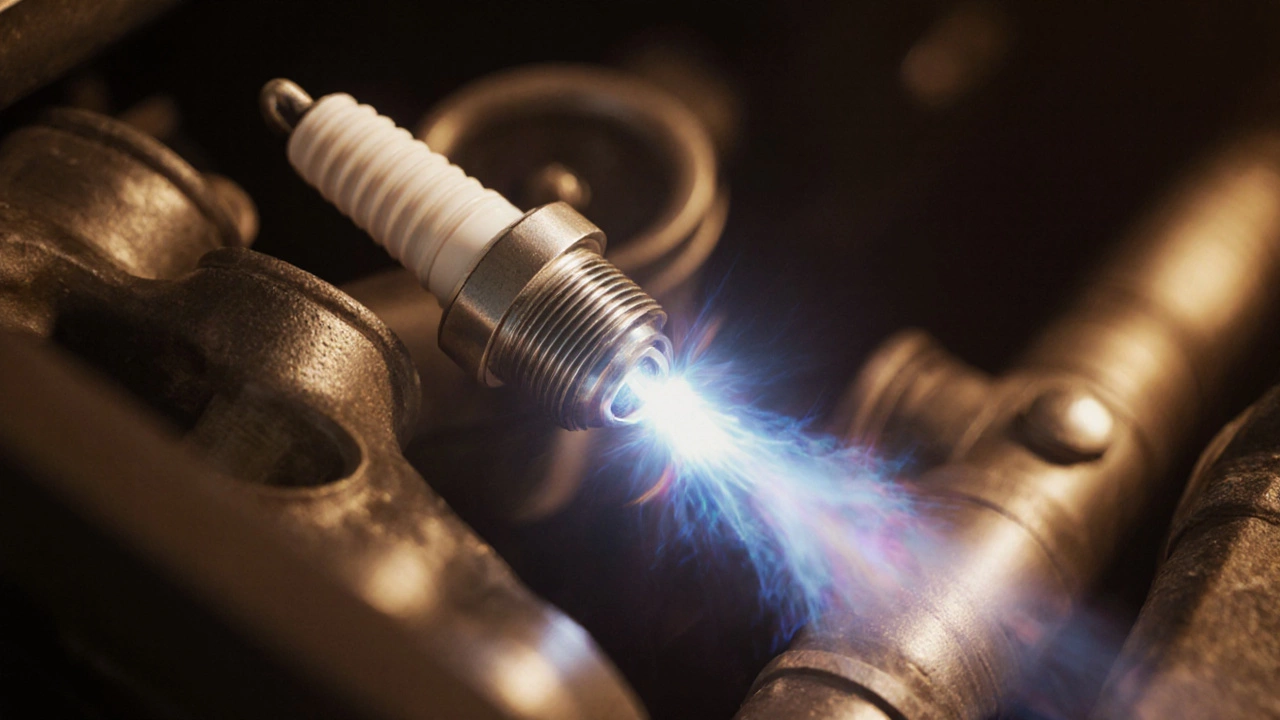
When your engine misfires or struggles to start, the culprit isn’t always the battery or fuel pump—it could be your spark plug, a small but critical part that ignites the air-fuel mixture in your engine’s cylinders. Also known as ignition plug, it’s the heartbeat of your combustion engine. Even though they’re small, worn or faulty spark plugs can wreck fuel efficiency, reduce power, and even damage your catalytic converter.
Spark plug wear doesn’t happen overnight. It’s a slow breakdown caused by several things you can control. One major factor is engine timing, how precisely the spark fires in relation to the piston’s position. If timing is off, the plug fires too early or too late, causing overheating and faster electrode erosion. Another big one is fuel quality, especially in areas where gasoline contains ethanol or contaminants. Low-grade fuel leaves more carbon deposits, which coat the electrodes and weaken the spark. And don’t forget driving habits, like constant short trips where the engine never fully warms up. That keeps moisture and unburned fuel in the combustion chamber, leading to fouling.
What you might not realize is that your ignition system, including the coil and wires that deliver voltage to the plug, directly affects how hard the spark plug has to work. A weak coil means the plug fires inconsistently, forcing it to work overtime—and wear out faster. Even the type of spark plug matters. Copper plugs are cheaper but don’t last as long as platinum or iridium ones. If your car’s manual says to replace them every 30,000 miles, that’s a baseline—not a suggestion.
Signs of wear aren’t always obvious. You might hear a light rattle at idle, feel the engine shudder when accelerating, or notice your fuel tank empties faster than usual. These aren’t just "normal" quirks—they’re warnings. Ignoring them leads to bigger problems: misfires that damage the catalytic converter, increased emissions, and eventually, a car that won’t start. Replacing worn plugs isn’t expensive, but letting them fail can cost hundreds in extra repairs.
The posts below cover exactly what you need to know: how spark plugs affect engine performance, what real-world conditions speed up their wear, and how to spot trouble before it leaves you stranded. You’ll find practical advice on choosing the right plugs, diagnosing early signs of failure, and avoiding common mistakes that shorten their life. Whether you’re trying to squeeze more miles out of your current set or wondering why your last replacement didn’t last as long as expected, the answers are here.
-
15 Oct
- Recent
- Popular