Wiper Blades: What They Do, When They Fail, and What to Do About It
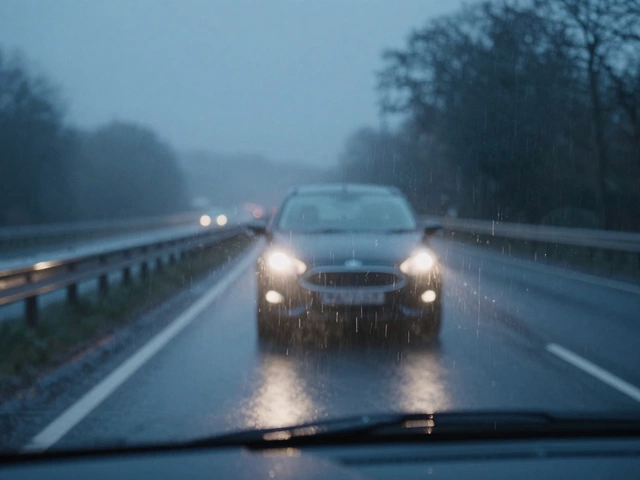
When you think about car safety, you probably imagine brakes, tires, or airbags. But wiper blades, rubber strips that clear water, snow, and dirt from your windshield. Also known as windshield wipers, they’re one of the few parts that directly affect your ability to see the road—yet most people replace them only when they’re already streaking or squeaking. A bad set of wiper blades doesn’t just make driving annoying. It makes it dangerous. In heavy rain, a worn blade can leave blind spots the size of a parking space. And if you’re driving at night with fog or spray, that’s not a minor issue—it’s a crash waiting to happen.
Wiper blades aren’t just rubber strips. They’re a system. The frame holds tension, the rubber edge makes contact, and the arm presses down evenly. Over time, the rubber hardens from sun exposure, cracks from cold weather, or gets coated in grime from dirty windshields. Some cars now use rain sensors, automatic systems that detect moisture and turn wipers on without you lifting a finger. But even those rely on the same physical blades. If the rubber fails, the sensor doesn’t care—it’ll keep trying, and you’ll still be driving blind. You don’t need a fancy car to need good wipers. A 10-year-old hatchback with worn blades is just as risky as a luxury SUV.
What’s surprising is how many drivers don’t check them until they’re already failing. You don’t need tools to test them. Just spray water on the windshield and turn them on. If you see streaks, skips, or hear a chattering noise, it’s time. Some blades last six months in hot, sunny places like Delhi or Hyderabad. Others last a year in cooler cities. But no blade lasts forever. And while some newer cars are designed without traditional wipers—using air jets or hydrophobic coatings instead—those are still rare. For 99% of drivers in India, wiper blades are non-negotiable.
Replacing them isn’t a job for a mechanic. It takes five minutes. You can buy new ones at any auto store, and most fit with a simple click. But here’s the catch: cheap blades often wear faster. The rubber might look fine, but if it’s made with low-grade material, it’ll smear instead of wipe. Look for blades with a curved frame that hugs the glass, and avoid the ones that look like they were made for a toy car.
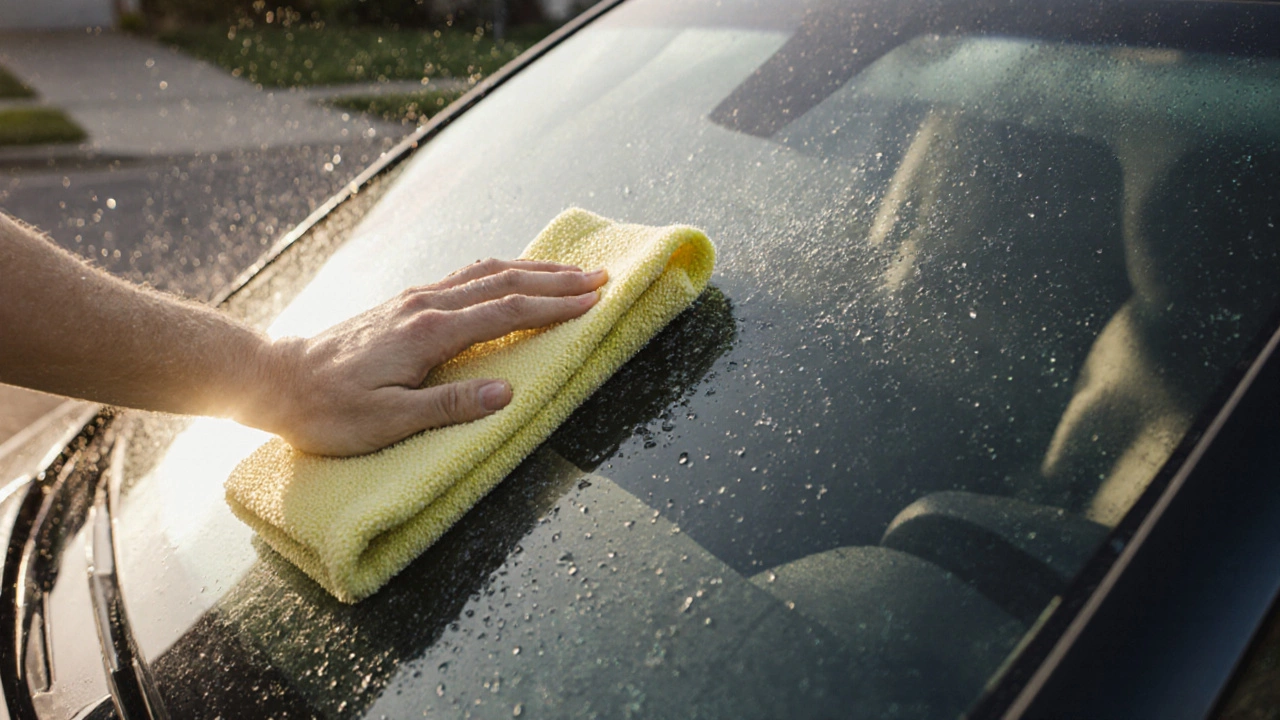
And don’t forget the windshield itself. If it’s scratched or covered in road grime, even the best blades won’t work right. A quick clean with vinegar and water can make a huge difference. But if your blades are old, no amount of cleaning will fix the problem. The rubber is done. It’s not a matter of cleaning—it’s a matter of replacing.
Below, you’ll find real-world advice from drivers who’ve dealt with failing wipers, guides on choosing the right blades for Indian roads, and even why some cars are ditching them altogether. Whether you’re driving through monsoon rains or dusty highways, this isn’t about convenience. It’s about seeing clearly—and staying safe.
-
25 Nov
-
29 Jul

How to Choose the Right Wiper Blades for Your Car Easily
Wondering how to pick the right wiper blades? Learn the types, sizes, top brands, and smart tips to make sure your windshield stays streak-free and clear year-round. -
2 Feb

Best Prices for Quality Windscreen Wiper Blades
Finding the right wiper blades at a reasonable price can be daunting for car owners. This article explores various factors affecting wiper blade prices, tips on getting the best value for your money, and the benefits of investing in quality blades. Learn about different types available in the market and how to choose the right one for your vehicle needs while staying within budget.
- Recent
- Popular