🚗 Brake Wear & Load Distribution Estimator
Vehicle & Driving Inputs
Force Distribution Analysis
Based on static weight transfer during hard braking.
Estimated Pad Lifespan
Projected mileage before replacement based on selected conditions.
Ever wondered why your mechanic always checks the front brakes first? It’s not a random habit. In most standard passenger vehicles, the front brake pads bear the brunt of stopping power, meaning they typically wear out faster than their rear counterparts. But is that always true? And what does this mean for your wallet and your safety on the road?
Understanding how brake wear works isn't just about knowing which part to replace. It's about recognizing when something feels off, predicting maintenance costs, and avoiding expensive repairs down the line. Let's break down the physics, the components, and the real-world factors that determine whether your front or rear brakes will hit zero mileage first.
The Physics of Stopping: Why Fronts Take More Load
To understand wear, you have to look at weight transfer. When you slam on the brakes, your car’s momentum pushes it forward. This action shifts the vehicle's weight significantly onto the front axle. For a typical sedan, roughly 70% to 80% of the braking force is handled by the front wheels. The rear wheels only manage the remaining 20% to 30%.
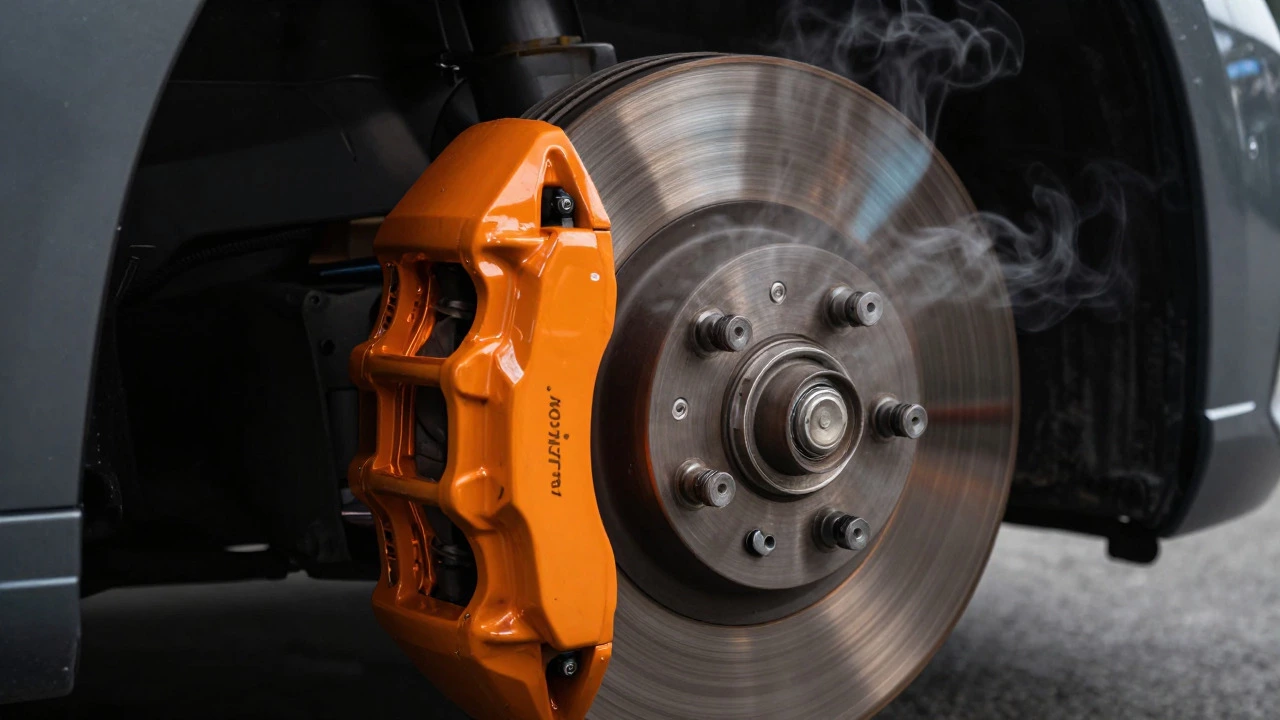
This imbalance means the front brake pads are friction materials that press against rotating discs to slow the vehicle, experiencing higher heat and pressure due to weight transfer do more work per stop. Consequently, they generate more heat and friction, leading to faster material erosion. If you drive in city traffic with frequent stops, this effect is amplified. Your front pads might last 40,000 miles while the rears last 60,000 or more.
Front Discs vs. Rear Drums: A Structural Difference
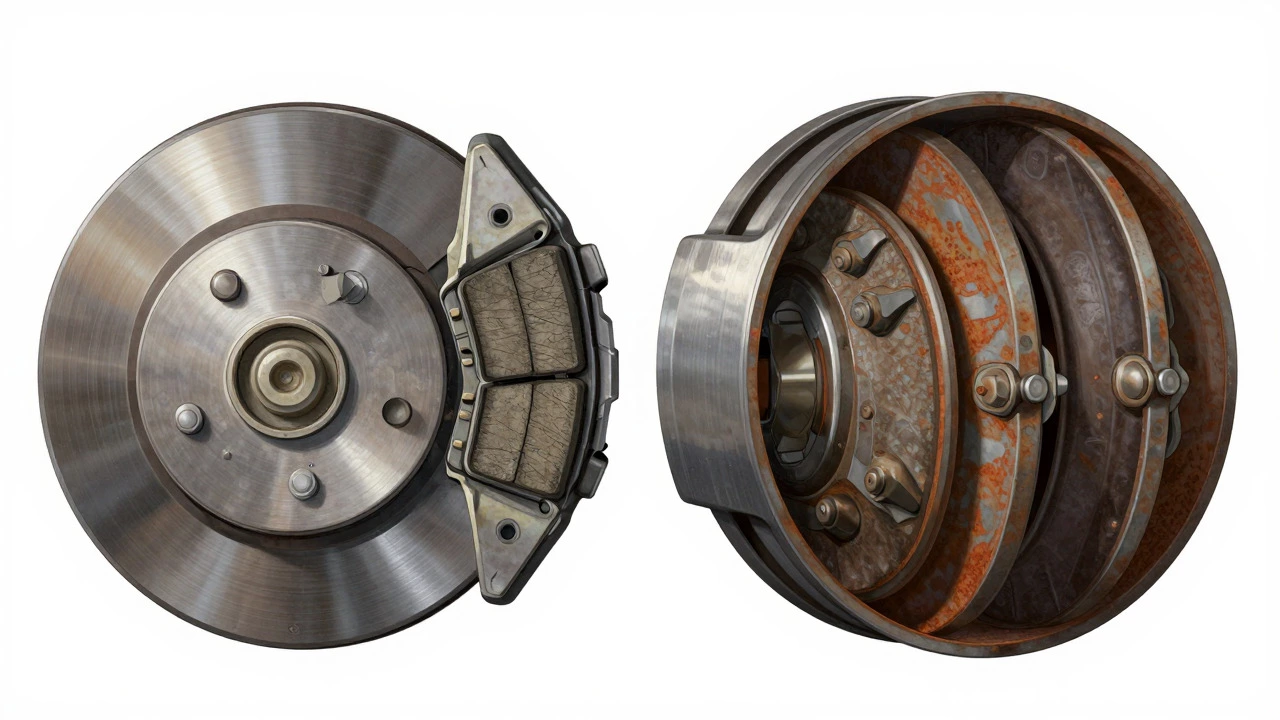
Not all cars use disc brakes on all four corners. Many older models, economy sedans, and some SUVs still use drum brakes on the rear. This structural difference impacts wear rates significantly.
- Disc Brakes: Open design allows better heat dissipation. However, because they handle more load (especially on the front), the pads wear evenly but quickly under heavy use.
- Drum Brakes: Enclosed design traps heat. While rear drums often last longer because they handle less force, they can suffer from uneven wear if the internal shoes aren't adjusted correctly. Drum shoes typically outlast disc pads, sometimes reaching 70,000 to 100,000 miles.
If your car has rear drums, don't ignore them just because they last longer. Uneven adjustment can cause one side to drag, leading to premature failure or pulling to one side.
Driving Habits That Change the Wear Equation
Your driving style is the single biggest variable in brake life. Two drivers can buy the same car, install the same brand of pads, and see vastly different wear patterns based on how they operate the vehicle.
| Condition | Primary Wear Area | Reason |
|---|---|---|
| City Traffic / Stop-and-Go | Front Pads | Frequent high-intensity stops maximize front load transfer. |
| Hilly Terrain | Rear Pads (if using engine braking poorly) | Downhill braking increases rear heat; poor technique causes rear fade. |
| Highway Cruising | Minimal Wear | Low frequency of stops preserves both front and rear components. |
| Towing Heavy Loads | Front & Rear (Accelerated) | Increased mass requires more force, wearing all components faster. |
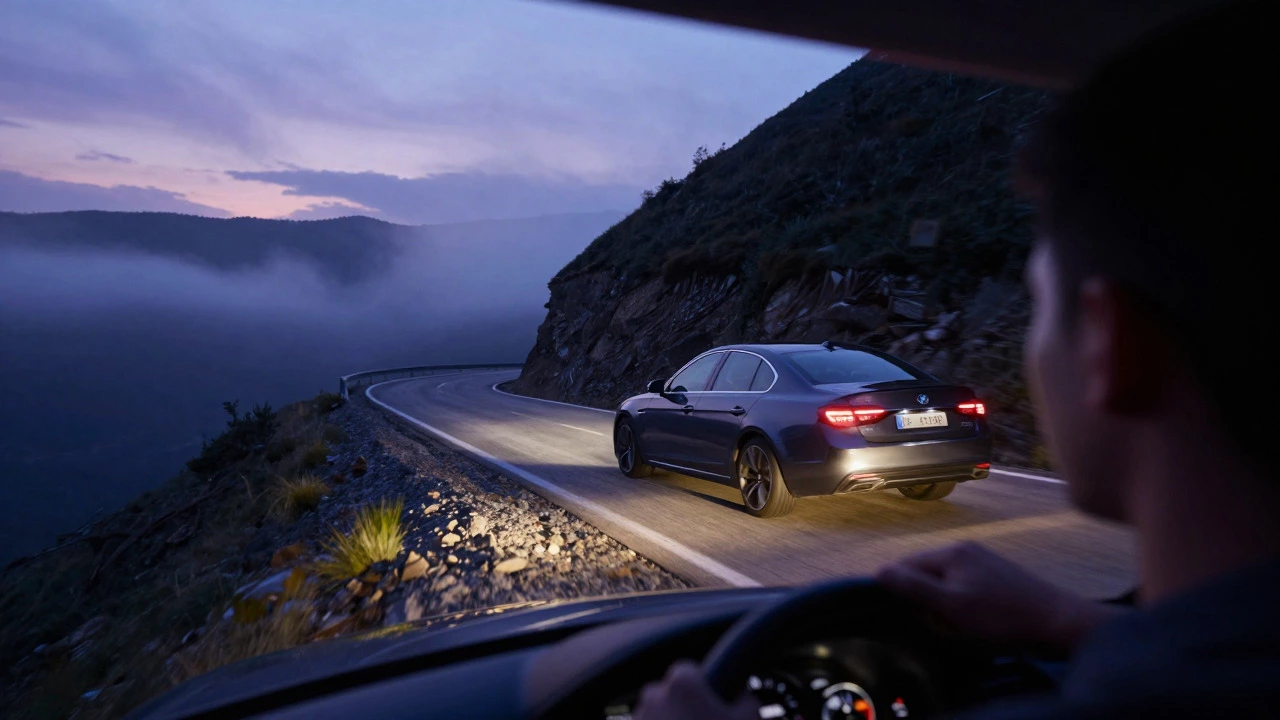
Aggressive drivers who ride the brake pedal instead of using engine braking put immense stress on the front assembly. Conversely, drivers who frequently descend steep mountains may find their rear brakes heating up disproportionately if they rely solely on the foot brake without downshifting.
Signs of Uneven Wear: What to Listen For
Your car usually tells you which side is failing before it completely gives out. Pay attention to these sensory cues:
- Squealing Noise: Most modern pads have a wear indicator-a small metal tab that squeals when the friction material wears down to 2mm. If you hear squealing only when turning left, check the right-side pads (or vice versa) depending on your vehicle's geometry.
- Pulling to One Side: If your car pulls left when braking, the right-side caliper or pad might be stuck or worn unevenly. This is a critical safety issue.
- Vibration in the Pedal: This often indicates warped rotors, usually caused by overheating the front brakes. If the steering wheel shakes, it’s almost certainly a front-end issue.
- Soft Pedal Feel: A spongy pedal suggests air in the lines or fluid issues, affecting all brakes equally, but low fluid levels can also signal severe front pad wear exposing the rotor surface.
Maintenance Tips to Extend Brake Life
You can’t change the physics of weight transfer, but you can mitigate the damage. Here are practical steps to keep your brakes healthy:
- Use Engine Braking: Downshift to let the engine slow you down, especially on hills. This reduces reliance on the friction pads.
- Avoid Riding the Brake: Keep your foot off the pedal when possible. Constant light pressure generates heat without effectively slowing the car.
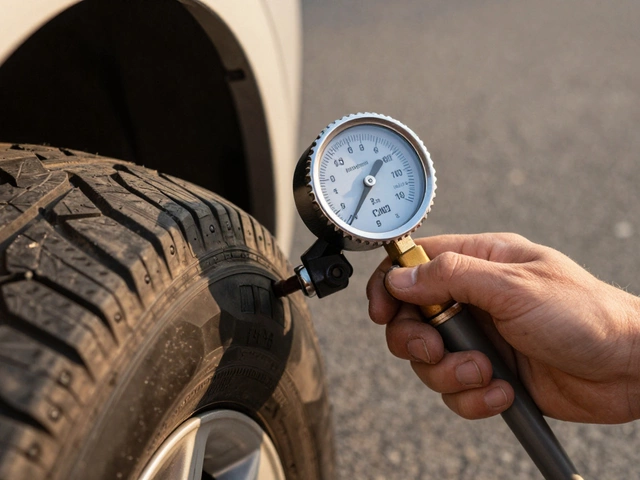
- Check Tire Pressure: Underinflated tires increase rolling resistance, forcing the brakes to work harder to maintain control.
- Flush Brake Fluid Regularly: Old fluid absorbs moisture, lowering its boiling point. Overheated fluid can lead to brake fade, causing uneven wear patterns.
Regular inspections every 10,000 to 15,000 miles can catch minor issues before they become major repairs. A simple visual check through the wheel spokes can reveal if your pads are thinning unevenly.
When to Replace: Front vs. Rear Guidelines
There is no universal mileage rule, but general guidelines help set expectations. Always follow your owner’s manual, but here are typical ranges for standard copper-based semi-metallic pads:
- Front Pads: 25,000 to 60,000 miles.
- Rear Pads (Disc): 40,000 to 70,000 miles.
- Rear Shoes (Drum): 70,000 to 100,000 miles.
Ceramic pads tend to last longer and produce less dust, but they cost more upfront. If you drive mostly in the city, ceramic front pads might save you money over time due to extended lifespan and reduced rotor wear.
Do front brakes always wear out before rear brakes?
In most passenger cars, yes, because front brakes handle 70-80% of the stopping force. However, heavy towing, aggressive downhill driving, or specific vehicle designs can cause rear brakes to wear faster or at a similar rate.
What happens if I only replace the front brake pads?
It is generally safe to replace only the front pads if the rears have sufficient thickness. However, replacing pads in pairs (both fronts or both rears) is recommended to ensure even braking performance and prevent pulling.
Why do my brakes squeal only when it rains?
Moisture creates a temporary rust layer on the rotors. As the pads bite into this rust during the first few stops, it creates noise. Once the rust is wiped away by the pads, the squealing usually stops. Persistent squealing in dry weather indicates wear indicators or glazing.
How often should I inspect my brake pads?
Experts recommend checking brake pads every 10,000 to 15,000 miles or during every oil change. Visual inspection can be done yourself, but professional measurement ensures accuracy regarding minimum thickness requirements.
Are rear drum brakes better than rear disc brakes for longevity?
Rear drum brakes often last longer (70k-100k miles) because they handle less braking force and are self-adjusting. However, they are heavier and dissipate heat less efficiently than disc brakes, making them less ideal for high-performance or heavy-duty applications.