Radiator Replacement: Signs, Costs, and What You Need to Know
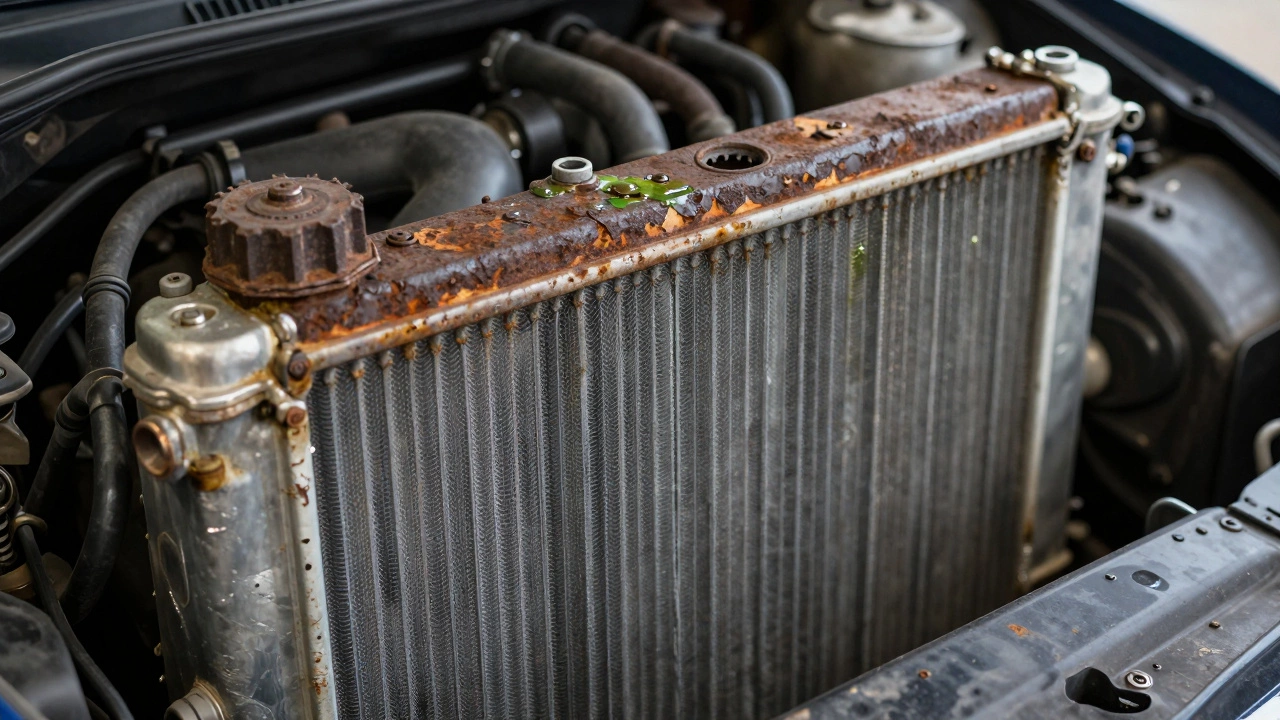
When your car’s radiator, the main component that cools engine coolant by transferring heat to the air. Also known as engine cooler, it’s one of the most critical parts keeping your engine from turning into a melted mess. fails, you don’t get a warning light that says "replace me." You get steam, a warning light that says "engine overheating," and maybe a puddle under your car. Most people ignore the early signs—until the engine dies on the highway. A radiator isn’t just a metal box with tubes. It’s part of a system that includes the coolant, the fluid that circulates through the engine and radiator to absorb and release heat., the water pump, the mechanical pump that moves coolant through the engine and radiator., hoses, and the thermostat. If one part fails, the others suffer. That’s why radiator replacement often means checking the whole cooling system.
What actually kills a radiator? Corrosion from old or dirty coolant. Tiny leaks from cracked plastic tanks or rusted metal fins. A clogged core from sediment buildup. Even a bad thermostat that keeps the engine too hot can overload the radiator over time. You might notice a sweet smell—like maple syrup—when coolant leaks. Or see green, orange, or pink fluid under your car. Sometimes, the engine runs hotter than normal, especially in traffic. The temperature gauge creeps up, then drops when you’re moving. That’s the radiator struggling to keep up. If your car overheats repeatedly, or if you’ve had to top off coolant more than once in a few months, it’s not a coincidence. It’s a signal.
Replacing a radiator isn’t always expensive, but it’s rarely cheap. For most cars in India, you’re looking at ₹8,000 to ₹25,000, depending on the make and whether you go with OEM or aftermarket parts. Labor can add another ₹3,000 to ₹7,000. If the water pump or hoses are worn, you’ll probably need to replace them too—better to do it all at once. Don’t just swap the radiator and call it done. Flush the system, refill with fresh coolant, and check for leaks. Skip this, and you’ll be back in a month.
Some people think electric cars don’t need radiators. That’s true—but not because they don’t need cooling. EVs use different systems, like liquid-cooled battery packs and heat pumps. But for every gas or diesel car on Indian roads, the radiator still matters. And if yours is failing, waiting won’t make it better. It’ll just make your repair bill bigger.
Below, you’ll find real stories from car owners who ignored the signs—and those who caught them early. You’ll see what radiator failure actually looks like, how much it costs to fix, and what parts you should never skip when replacing one. No fluff. Just what works.
-
6 Mar
-
20 Nov
Do Cars Have Radiators Anymore? The Truth About Modern Cooling Systems
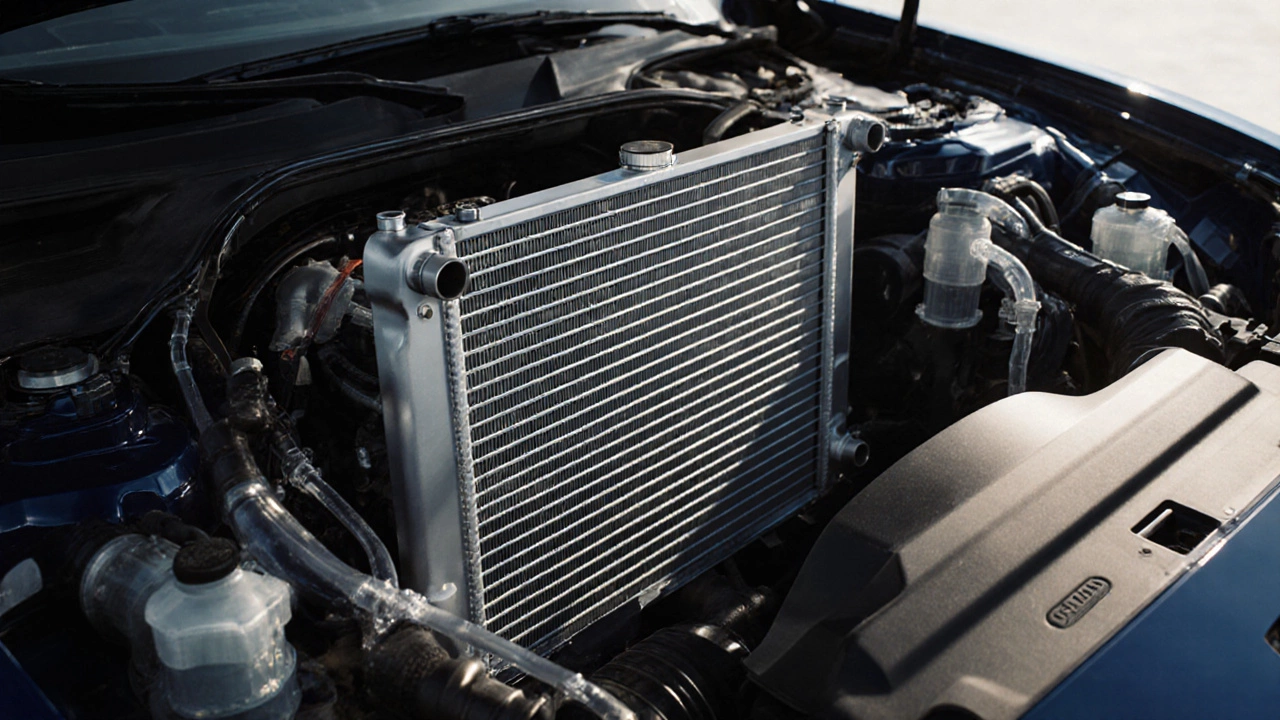
Cars still have radiators-even electric ones. Modern designs are smaller and smarter, but cooling is more critical than ever. Learn how radiators work today and why ignoring them can cost thousands. -
23 Jun
Car Radiators: Is Replacing Your Old Radiator Worth It?
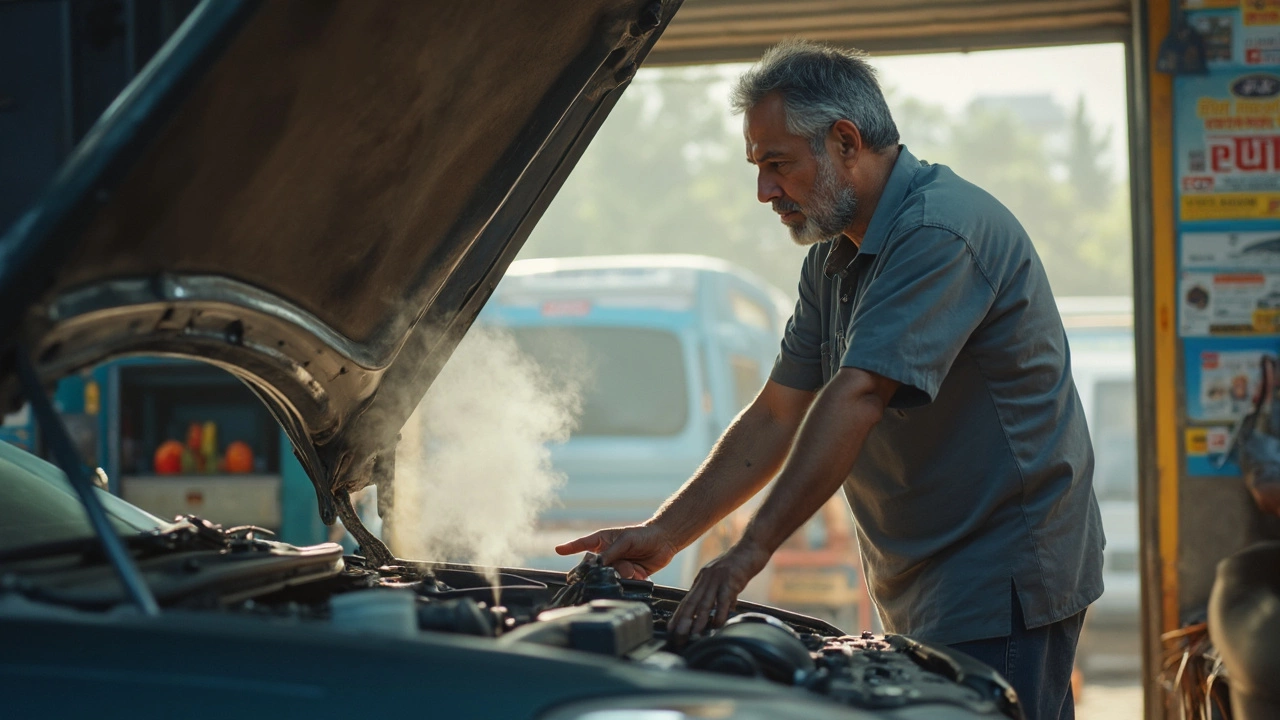
Thinking about replacing your car’s radiator? This article breaks down when it’s worth swapping out your old radiator and when you might be better off with a repair. Learn what signs mean it’s time for a new one, what problems a failing radiator can cause, and get real-life tips for making the right call. We bust some common myths and give you a peek at what happens if you ignore radiator issues too long. Get ready for some straightforward answers and practical advice. -
21 Jan
DIY Car Radiator Replacement: A Step-by-Step Guide
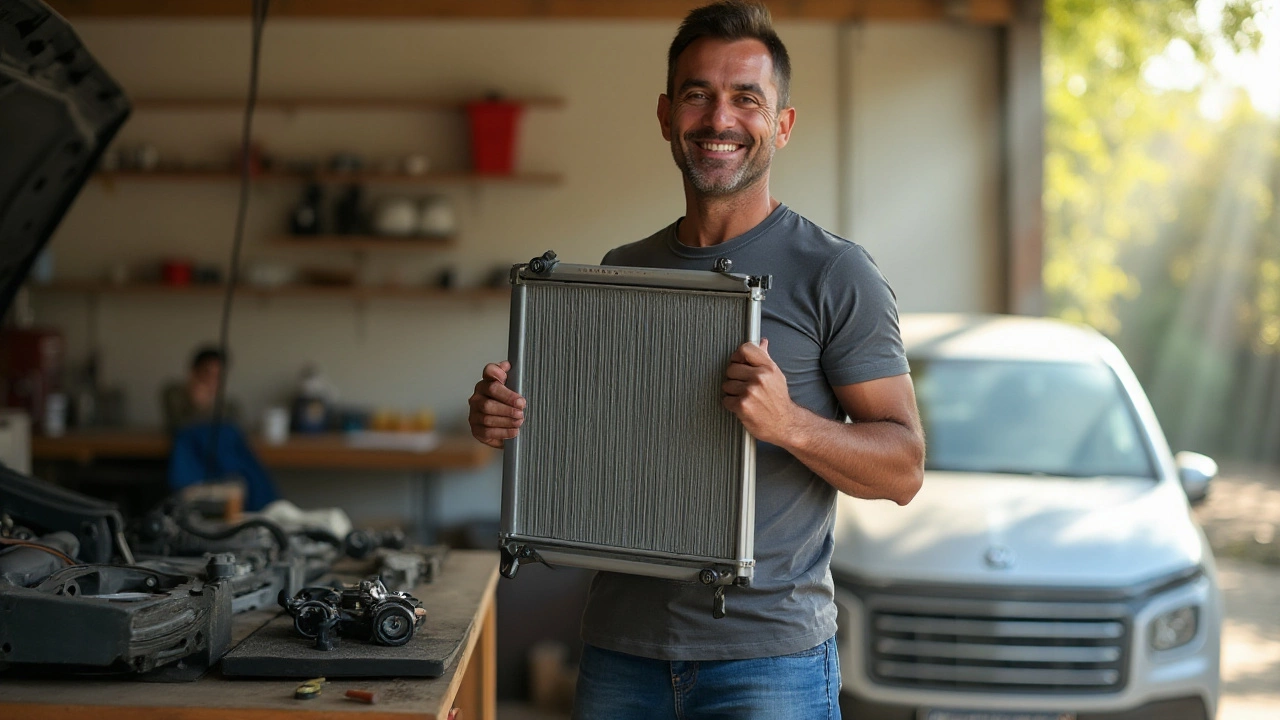
Replacing a car radiator doesn't have to be a task reserved for trained mechanics. With the right tools and a little patience, many car enthusiasts can undertake this task themselves. This article walks you through the basics of car radiator replacement, helping you understand when and why replacement is necessary, and providing actionable steps to ensure a smooth process. Learn practical tips and avoid common mistakes in this comprehensive guide.
- Recent
- Popular