Engine Oil: What You Need to Know for Better Car Performance
When you think about your car’s health, engine oil, a vital fluid that lubricates, cools, and cleans the engine’s moving parts. Also known as motor oil, it’s the unsung hero keeping your engine from tearing itself apart. Without it, metal hits metal, heat builds up, and your engine can die in minutes. It’s not just a fluid you change every few months—it’s the reason your car still runs after 100,000 miles.
Not all engine oil is the same. There’s regular oil, the basic kind most cars used decades ago, and synthetic oil, a high-tech version designed for better protection and longer life. Mixing them up can hurt your engine. Using regular oil when your car needs synthetic? That’s like putting diesel in a gasoline engine—your car won’t scream, but it’ll wear out faster. And topping up oil without knowing why it’s low? That’s a band-aid on a leaky pipe. You might fix the symptom, but the real problem keeps getting worse.
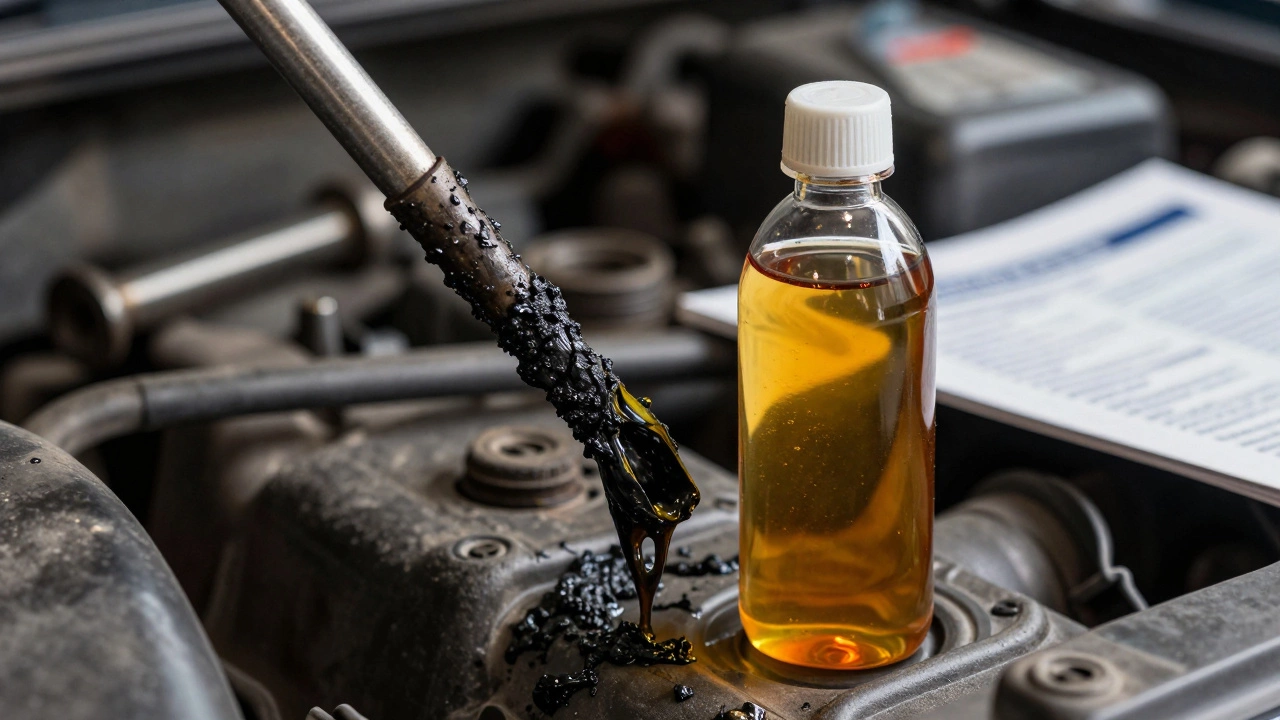
Knowing how to check your oil isn’t optional. It’s the easiest way to avoid a $5,000 repair. Your dipstick tells you more than just if you’re low—it shows if the oil is dirty, watery, or burnt. The oil gauge on your dashboard? It’s not a suggestion. A drop in level, a warning light, or thick, black sludge on the dipstick? Those aren’t just signs. They’re alarms. And ignoring them doesn’t save money—it costs you more in the long run.
Engine oil isn’t just about changing it on a schedule. It’s about understanding what’s happening inside your engine. Why does your car run louder after 6 months? Why does your fuel economy drop? Could it be oil that’s lost its punch? The right oil keeps your engine cool under pressure, cleans out gunk before it clogs things up, and reduces friction so your car doesn’t waste energy. Whether you drive a daily commuter or a weekend cruiser, the oil you use decides how long your engine lasts.
Below, you’ll find real guides from drivers who’ve been there—how to spot bad oil before it kills your engine, why you shouldn’t just top up without checking, what happens if you skip synthetic oil, and how to read your owner’s manual like a mechanic. No fluff. No guesswork. Just what works.
-
27 Feb
-
20 Feb
How Long Is Too Long Without an Oil Change? Real-World Answers for UK Drivers
How long is too long without an oil change? UK drivers need real-world answers-not factory guidelines. Learn when oil breaks down, how driving habits affect lifespan, and how to avoid costly engine damage. -
13 Jan
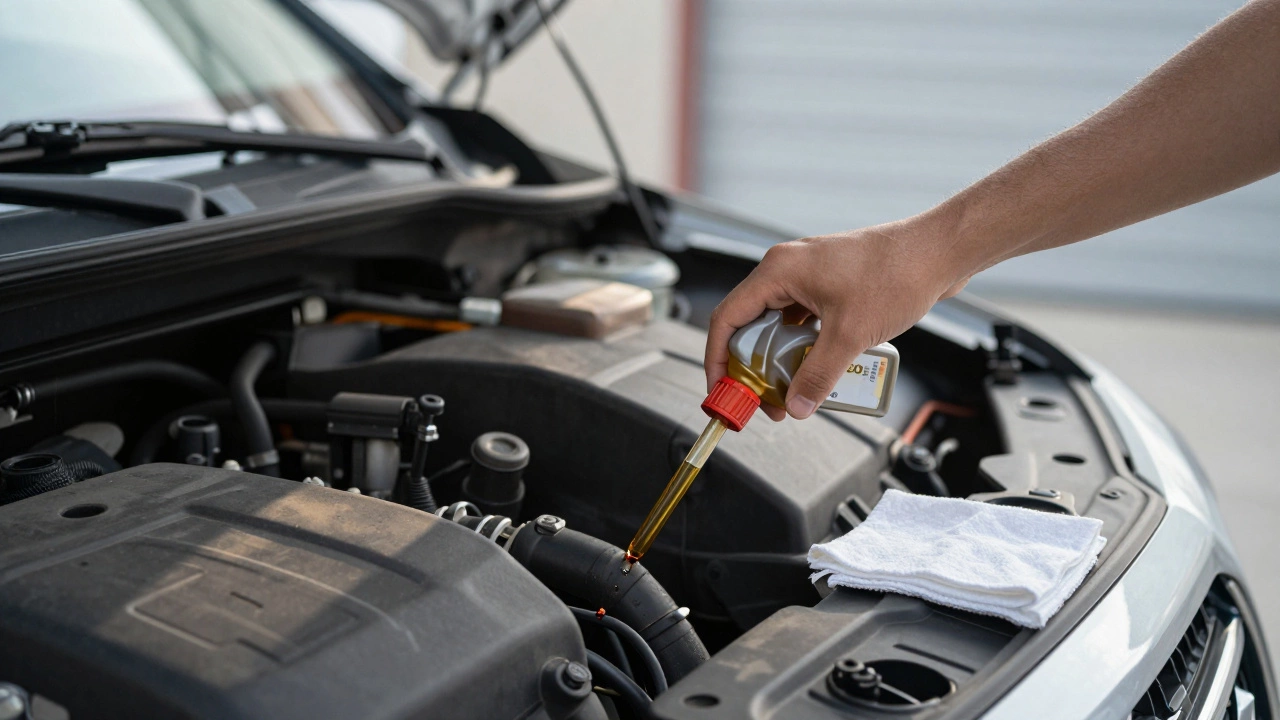
How Much Oil Should I Add If It's Low? A Simple Guide for Car Owners
Learn how much engine oil to add when it's low, how to check it properly, and what happens if you add too much or the wrong type. Avoid engine damage with simple, step-by-step guidance. -
23 Dec
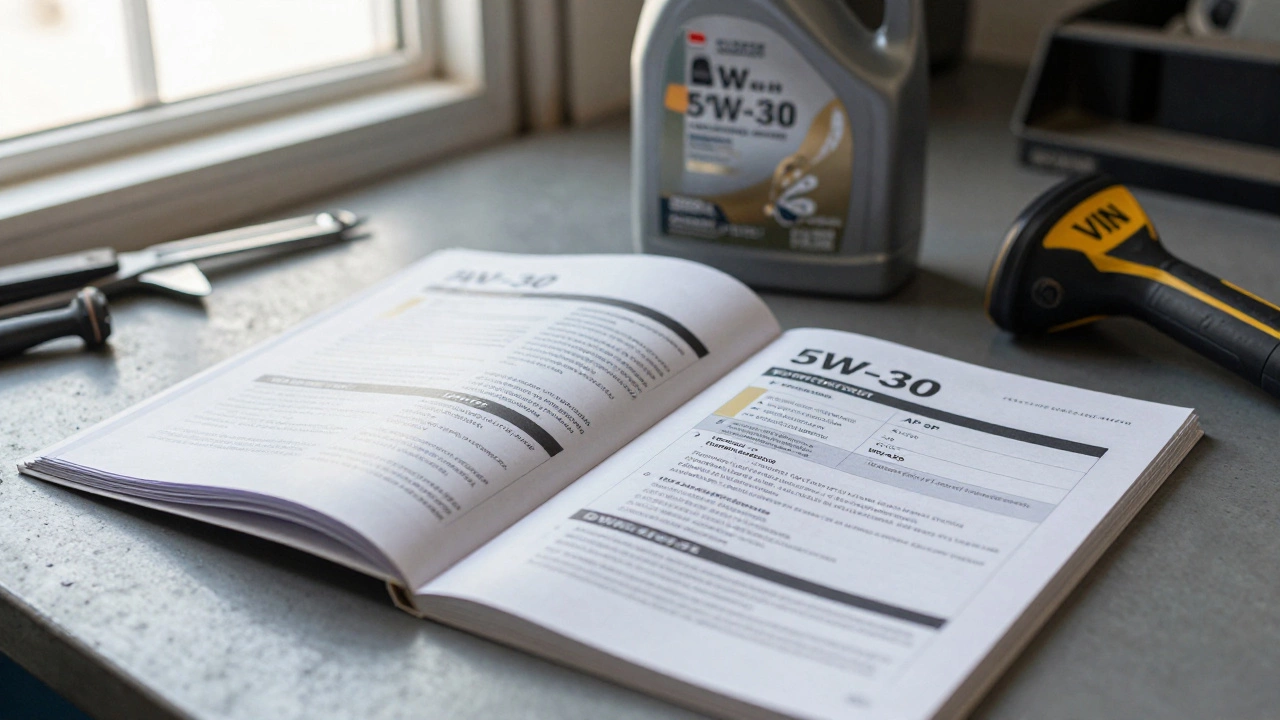
What Type of Engine Oil Should I Put in My Car?
Learn exactly what type of engine oil your car needs based on viscosity, manufacturer specs, and oil type. Avoid costly mistakes with clear, practical advice for UK drivers in 2025. -
9 Dec
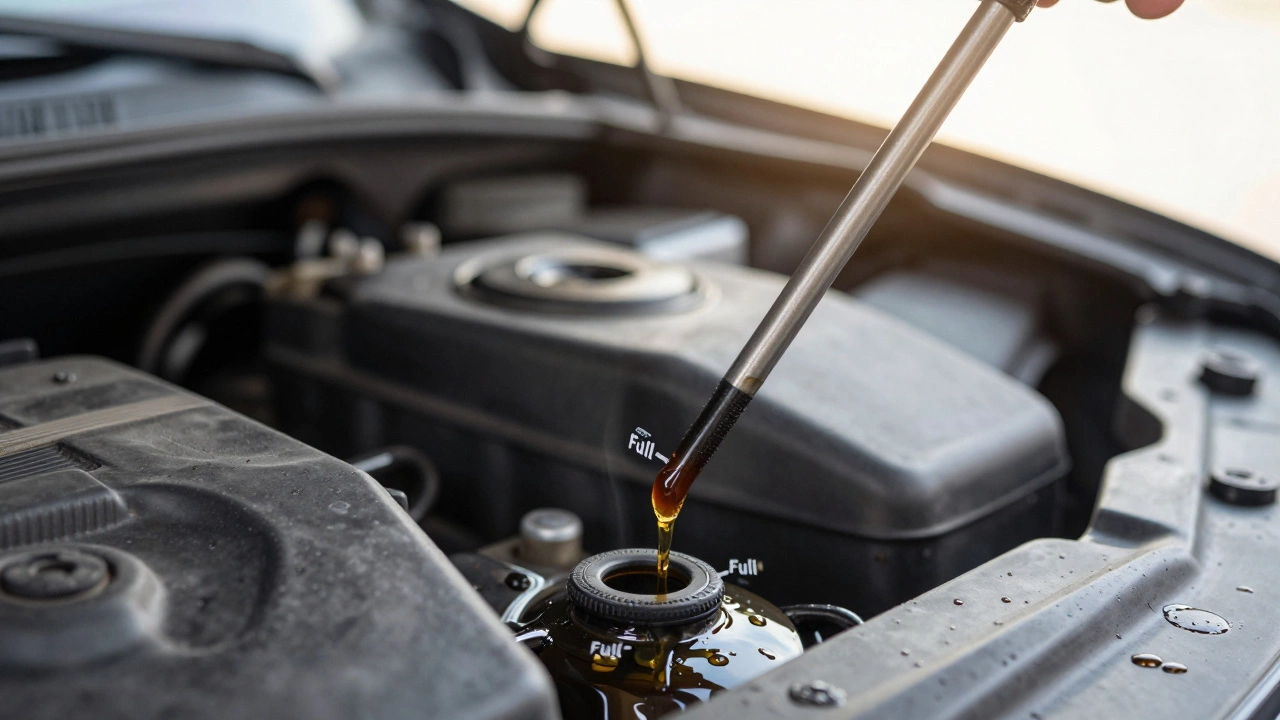
Will One Extra Quart of Oil Hurt My Engine?
Adding one extra quart of oil to your engine won't cause instant damage, but it can lead to foam, leaks, and long-term wear. Learn how to spot overfilling and fix it before it costs you money. -
28 Nov
What Is Engine Oil Used For? The Simple Truth Behind Your Car’s Lifeline
Engine oil lubricates, cools, cleans, and protects your engine. Without it, your car would fail quickly. Learn what it really does and why changing it on time saves thousands. -
24 Oct

Dirty Engine Oil Symptoms: How to Spot Bad Oil in Your Car
Learn how to identify dirty engine oil symptoms, why they matter, and steps to fix and prevent oil contamination for a healthier car. -
3 Aug

Signs You Need Engine Oil: Easy Checks for UK Drivers
Wondering if your car needs engine oil? Learn the warning signs, how to check oil, and tips to keep your engine running smooth and safe—all explained for everyday drivers. -
15 Jul

Regular Oil vs Synthetic Oil: What Happens If You Don't Switch?
Curious about using regular oil instead of synthetic in your car? Learn the real consequences, performance tips, cost myths, and facts about engine oil swaps. -
10 Jun

Engine Oil: How to Tell if It's Still Good
Wondering whether your engine oil is still good? This guide walks you through signs to look out for, hands-on ways to check your oil, and what happens if you keep using it past its prime. Pick up smart tips to get the most life out of your oil, how to read your dipstick like a pro, and simple rules about when it's time to swap it out. Forget guesswork—use these pointers to make sure your engine stays in top shape. -
11 May
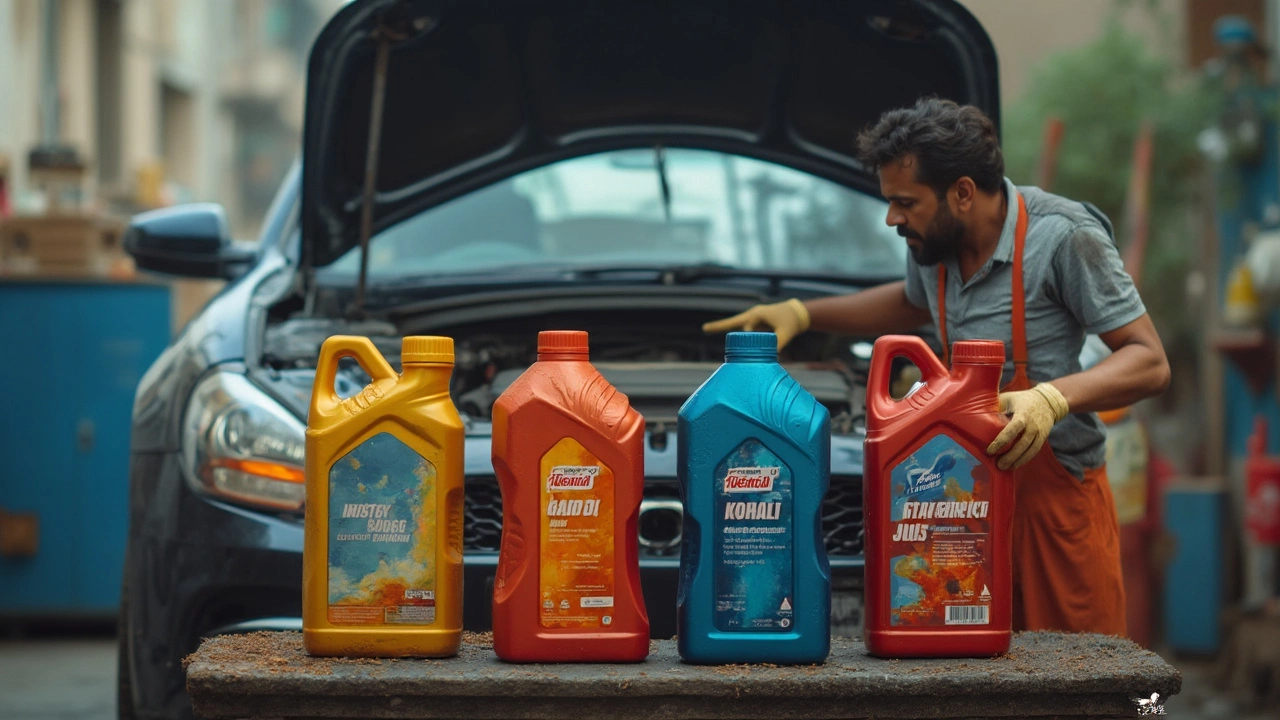
What Happens If You Put Regular Oil Instead of Synthetic? Real Risks for Your Engine
Putting regular oil instead of synthetic in your engine isn’t just a swap—it can actually change how your car runs. This article breaks down the real differences between regular and synthetic oil, and what could actually go wrong if you use the wrong one. Expect clear tips, facts, and what to watch for with your engine if you made the switch by mistake. Skip the myths and get the real deal you can use right now. Perfect for any driver who wants to keep their car running smooth and avoid headaches. -
6 May

Can I Just Add Oil to My Car? Getting Real About Engine Oil Basics
Ever stared at your dashboard and wondered if you could just add oil and call it a day? This article breaks down what really happens when you top up your engine oil, when it’s safe, and when it can get you in trouble. Expect straight-up info with practical tips for handling your engine oil the right way. We’ll talk about the dos, the don’ts, and those easy-to-miss mistakes that cost you time and money. Get ready to finally understand your car’s most underrated fluid.
- Recent
- Popular
-
 How Much Is a Set of 4 Car Tires? 2026 Price Guide
Feb 17 2026
How Much Is a Set of 4 Car Tires? 2026 Price Guide
Feb 17 2026
-
 How Often Should You Replace Your Whole House Air Filter?
Dec 19 2025
How Often Should You Replace Your Whole House Air Filter?
Dec 19 2025
-
 Decoding the Lifespan of Your Car Radiator
Feb 17 2025
Decoding the Lifespan of Your Car Radiator
Feb 17 2025